NASA ประกาศแผนปฏิวัติพลังงานดวงจันทร์ด้วย ‘นิวเคลียร์’
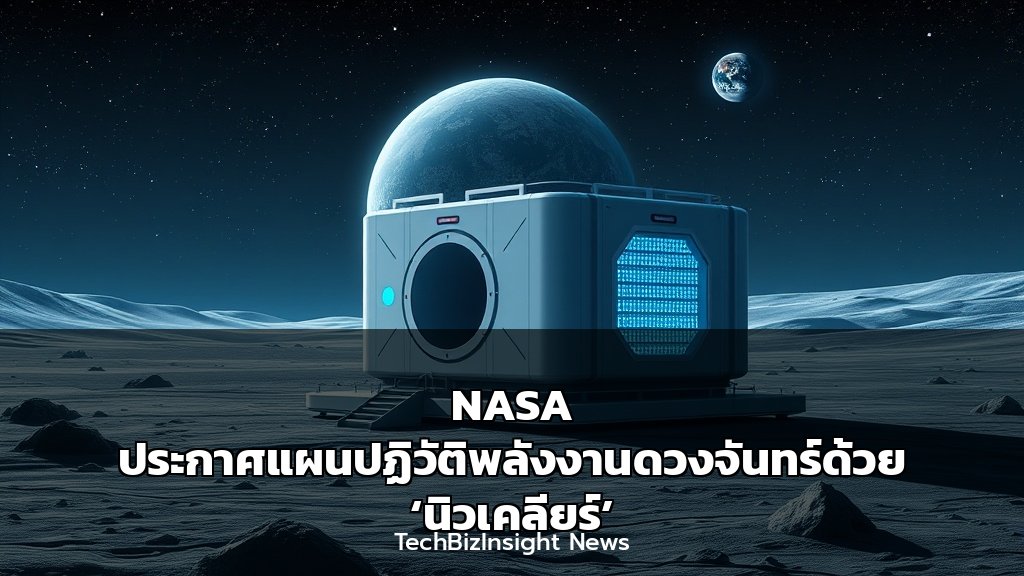
กระแสข่าวล่าสุดจากทำเนียบขาวสร้างความตื่นเต้นให้กับวงการอวกาศอย่างมาก เมื่อมีการประกาศว่า NASA จะร่วมมือกับกระทรวงกลาโหมและกระทรวงพลังงานของสหรัฐอเมริกา เพื่อพัฒนาและส่งระบบพลังงานนิวเคลียร์ไปยังดวงจันทร์ ทั้งในรูปแบบของเครื่องปฏิกรณ์บนพื้นผิวและระบบพลังงานสำหรับยานในวงโคจร แผนการนี้ไม่เพียงแต่เป็นก้าวสำคัญของโครงการ Artemis เพื่อส่งมนุษย์กลับสู่ดวงจันทร์อีกครั้ง แต่ยังเป็นการปูทางสู่การสำรวจดาวอังคารและดวงดาวอื่นๆ ในระบบสุริยะอย่างยั่งยืน โดยมุ่งเป้าไปที่การสร้างแหล่งพลังงานที่เสถียรและมีกำลังสูง ซึ่งพลังงานแสงอาทิตย์เพียงอย่างเดียวไม่สามารถตอบโจทย์ได้ในทุกสภาพแวดล้อม
การตัดสินใจลงทุนในเทคโนโลยีพลังงานนิวเคลียร์สำหรับภารกิจอวกาศครั้งนี้ สะท้อนถึงการเปลี่ยนผ่านเชิงกลยุทธ์ที่เน้นการสร้างโครงสร้างพื้นฐานถาวรบนดวงจันทร์ แทนที่การเยือนเพียงชั่วคราวเหมือนในยุคอะพอลโล
- ความจำเป็นของพลังงานนิวเคลียร์ในสภาพแวดล้อมสุดขั้ว: ดวงจันทร์มีคืนที่ยาวนานถึง 14 วันของโลก ซึ่งหมายความว่าแผงโซลาร์เซลล์จะไร้ประโยชน์เป็นเวลานาน เครื่องปฏิกรณ์นิวเคลียร์ฟิชชันขนาดกะทัดรัดสามารถผลิตพลังงานได้อย่างต่อเนื่อง ไม่ว่าอยู่ในเงามืดของหลุมอุกกาบาตหรือระหว่างคืนอันยาวนานบนดวงจันทร์ ซึ่งเป็นเงื่อนไขสำคัญสำหรับการดำรงชีวิตและการดำเนินงานทางวิทยาศาสตร์
- การขับเคลื่อนเศรษฐกิจอวกาศ (Space Economy): พลังงานที่มั่นคงและมีกำลังสูงเป็นรากฐานของทุกอุตสาหกรรม การมีแหล่งพลังงานนิวเคลียร์บนดวงจันทร์จะเปิดโอกาสให้กับกิจกรรมเชิงพาณิชย์ เช่น การทำเหมืองแร่บนดวงจันทร์ (In-Situ Resource Utilization – ISRU) เพื่อสกัดน้ำและออกซิเจน การผลิตเชื้อเพลียงวดจรวด หรือแม้แต่การสร้างโครงสร้างขนาดใหญ่ ซึ่งทั้งหมดต้องการพลังงานมหาศาลอย่างต่อเนื่อง
- เทคโนโลยีซอฟต์แวร์และระบบควบคุมขั้นสูง: การดำเนินการเครื่องปฏิกรณ์นิวเคลียร์จากระยะไกลในสภาพแวดล้อมที่เสี่ยงภัย จำเป็นต้องพึ่งพาซอฟต์แวร์ควบคุมอัตโนมัติ (Autonomous Control Systems) และระบบไซเบอร์-ฟิสิคัล (Cyber-Physical Systems) ที่มีปัญญาประดิษฐ์ฝังตัว ความสามารถของซอฟต์แวร์ในการวินิจฉัยปัญหา จัดการความร้อน และปรับสมดุลการทำงานโดยอัตโนมัติ จะเป็นปัจจัยชี้ขาดด้านความปลอดภัยและประสิทธิภาพ ซึ่งเป็นบทพิสูจน์สำคัญสำหรับการประยุกต์ใช้ซอฟต์แวร์ระดับ Mission-Critical ในสภาพแวดล้อมใหม่
- การลดความเสี่ยงและสร้างห่วงโซ่อุปทานใหม่: โครงการนี้จะกระตุ้นนวัตกรรมในภาคอุตสาหกรรมภาคพื้นดิน ตั้งแต่การออกแบบเครื่องปฏิกรณ์แบบโมดูลาร์ การพัฒนาวัสดุทนรังสี ไปจนถึงซอฟต์แวร์จำลองสถานการณ์ (Simulation Software) การสร้างมาตรฐานความปลอดภัยและโปรโตคอลการทำงานสำหรับระบบนิวเคลียร์ในอวกาศ จะสร้างตลาดและโอกาสทางธุรกิจใหม่ๆ ให้กับบริษัทเทคโนโลยีและวิศวกรรมชั้นนำ
การที่ NASA และพันธมิตรระดับชาติหันมาให้ความสำคัญกับพลังงานนิวเคลียร์ในอวกาศ แสดงให้เห็นว่าเป้าหมายได้ขยับจากการ “ไปให้ถึง” เป็นการ “ตั้งรกรากและขยายกิจการ” อย่างแท้จริง นี่ไม่ใช่แค่ความก้าวหน้าทางวิศวกรรมอวกาศ แต่เป็นการวางรากฐานทางเศรษฐกิจและการเมืองสำหรับยุคแห่งการสำรวจอวกาศอย่างยั่งยืน ซึ่งเทคโนโลยีและซอฟต์แวร์จะเป็นหัวใจของการดำเนินงานทั้งหมด
The recent announcement from the White House has sent ripples of excitement through the space community, revealing that NASA will collaborate with the U.S. Departments of Defense and Energy to develop and deploy nuclear power systems on the Moon. This ambitious plan encompasses both surface-based fission reactors and nuclear propulsion systems for orbital craft. Far more than just a technical milestone for the Artemis program’s goal of returning humans to the lunar surface, this initiative is a foundational step toward sustainable exploration of Mars and beyond. It addresses the critical need for a stable, high-power energy source where solar power alone is insufficient due to environmental constraints like the Moon’s long, 14-earth-day nights.
This strategic pivot towards nuclear technology signifies a fundamental shift from temporary lunar visits to establishing permanent infrastructure, underscoring a new era of economic and technological activity in space.
- The Imperative for Nuclear Power in Extreme Environments: The lunar night poses a significant challenge for solar-dependent missions. Compact fission reactors can provide continuous, reliable power regardless of sunlight, enabling sustained human presence, scientific research, and industrial operations in permanently shadowed craters or during the lengthy lunar night. This reliability is non-negotiable for long-term habitation and complex surface activities.
- Fueling the Cislunar Space Economy: Abundant, steady power is the bedrock of any economy. Deploying nuclear reactors on the Moon unlocks the potential for commercial activities such as In-Situ Resource Utilization (ISRU)—mining lunar ice for water, oxygen, and rocket fuel—and large-scale construction projects. These ventures, essential for reducing Earth-dependency, require massive, uninterrupted power that nuclear fission can uniquely provide.
- Advanced Software and Autonomous Control Systems: Operating a nuclear reactor remotely in a hazardous environment necessitates unprecedented reliance on sophisticated, autonomous control software and embedded AI within cyber-physical systems. The software’s ability to autonomously diagnose issues, manage thermal loads, and balance reactor operations will be the critical determinant of safety and efficiency. This serves as a ultimate test case for mission-critical software in an entirely novel operational domain.
- De-risking Missions and Creating New Supply Chains: This national project will catalyze innovation across terrestrial industries, from designing modular, space-rated reactors to developing radiation-hardened materials and advanced simulation software. Establishing new safety standards and operational protocols for space-based nuclear systems will create fresh markets and business opportunities for leading tech and engineering firms, spinning off terrestrial applications.
NASA’s concerted push, alongside key national agencies, towards space nuclear power clearly signals that the goal has evolved from merely “reaching” destinations to “settling and expanding operations.” This is not just an aerospace engineering leap; it is the laying of economic and political groundwork for a sustainable spacefaring era, where advanced technology and software will be at the core of every operation.
FAQ
* ทำไม NASA ถึงไม่ใช้เพียงพลังงานแสงอาทิตย์บนดวงจันทร์? เพราะดวงจันทร์มีช่วงกลางคืนที่ยาวนานถึง 14 วันของโลก ซึ่งทำให้แผงโซลาร์เซลล์ไม่สามารถผลิตไฟฟ้าได้ในช่วงเวลาดังกล่าว เครื่องปฏิกรณ์นิวเคลียร์สามารถให้พลังงานที่เสถียรและต่อเนื่องได้โดยไม่ขึ้นกับแสงอาทิตย์ ซึ่งสำคัญต่อการดำรงชีวิตและการทำงานบนดวงจันทร์ในระยะยาว
* โครงการนี้เกี่ยวข้องกับภาคธุรกิจเทคโนโลยีอย่างไร? โครงการนี้จะสร้างความต้องการใหม่สำหรับซอฟต์แวร์ควบคุมอัตโนมัติขั้นสูง ระบบไซเบอร์-ฟิสิคัล การจำลองสถานการณ์ (Simulation) และการวิเคราะห์ข้อมูล ซึ่งเปิดโอกาสให้บริษัทซอฟต์แวร์และวิศวกรรมระบบได้พัฒนาและทดสอบโซลูชันสำหรับสภาพแวดล้อม Mission-Critical ที่สุด
For more details on NASA’s plans for lunar surface power, you can refer to the official release from NASA.