AI หลอกลวงตลาด? Allbirds ประกาศตัวเป็นบริษัท AI ราคาหุ้นพุ่ง 7 เท่าภายในพริบตา
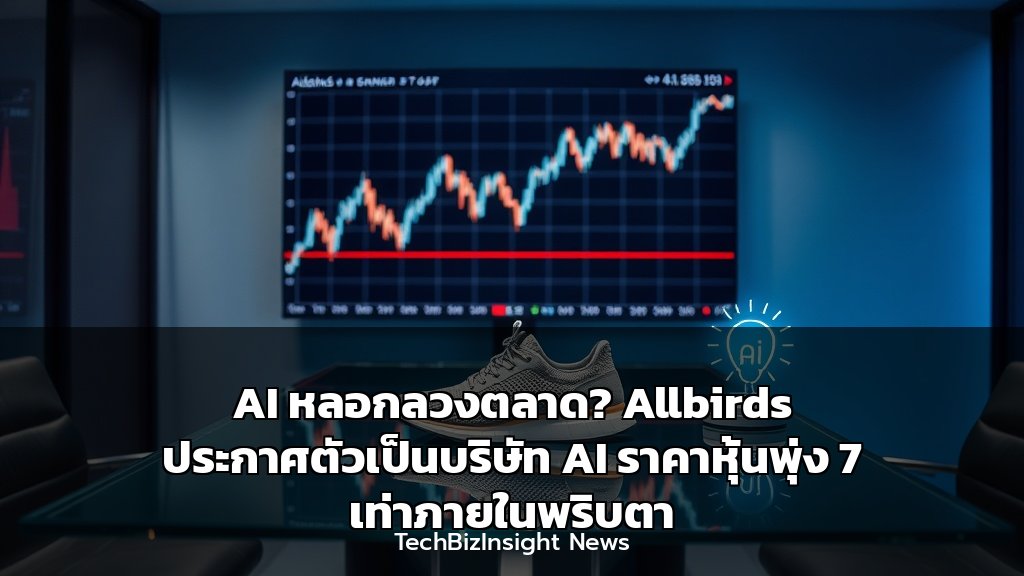
การประกาศของ Allbirds ที่เปลี่ยนตัวเองเป็น “บริษัท AI” และส่งผลให้ราคาหุ้นพุ่งสูงขึ้นถึง 7 เท่าในเวลาอันสั้น เป็นปรากฏการณ์ล่าสุดที่สะท้อนถึงความคลั่งไคล้และความคาดหวังที่เกินจริงต่อเทคโนโลยีปัญญาประดิษฐ์ในวงการธุรกิจ เหตุการณ์นี้ไม่เพียงแต่สร้างความประหลาดใจให้กับนักลงทุนแต่ยังทำให้หลายคนตั้งคำถามถึงจุดสูงสุดของกระแส AI และความเป็นไปได้ที่เรากำลังตกอยู่ในกับดักของความคิดที่ว่า “AI เป็นสิ่งที่ไม่สามารถหลีกเลี่ยงได้” สำหรับทุกอุตสาหกรรม
การวิเคราะห์เชิงลึก: กรณีศึกษาของ Allbirds เป็นตัวอย่างที่ชัดเจนของปรากฏการณ์ “AI Washing” ซึ่งบริษัทต่างๆ พยายามเชื่อมโยงแบรนด์หรือผลิตภัณฑ์ของตนกับเทคโนโลยี AI เพื่อเพิ่มมูลค่าทางการตลาดและดึงดูดการลงทุน โดยไม่จำเป็นต้องมีการเปลี่ยนแปลงเชิงกลยุทธ์หรือนวัตกรรมที่แท้จริง ปรากฏการณ์นี้สร้างความเสี่ยงหลายประการต่อระบบนิเวศทางธุรกิจและเทคโนโลยี
- การบิดเบือนมูลค่าที่แท้จริง: การใช้คำว่า “AI” เป็นเครื่องมือทางการตลาดสามารถสร้างความสับสนให้กับนักลงทุนและผู้บริโภค โดยทำให้พวกเขาเข้าใจผิดเกี่ยวกับขีดความสามารถและความก้าวหน้าทางเทคโนโลยีที่แท้จริงของบริษัท สิ่งนี้อาจนำไปสู่การกำหนดราคาหุ้นที่ผิดพลาด (mispricing) และสร้างฟองสบู่ในตลาด
- การเบี่ยงเบนทรัพยากร: แรงกดดันในการต้องเป็น “บริษัท AI” อาจทำให้ฝ่ายบริหารขององค์กรเบี่ยงเบนทรัพยากรที่จำกัดไปสู่โครงการที่เกี่ยวกับ AI แบบผิวเผิน แทนที่จะมุ่งเน้นไปที่การพัฒนาตัวผลิตภัณฑ์หลัก การปรับปรุงบริการลูกค้า หรือนวัตกรรมอื่นๆ ที่สอดคล้องกับความเชี่ยวชาญพื้นฐานของบริษัทมากกว่า
- การทำลายความน่าเชื่อถือในระยะยาว: เมื่อความคาดหวังที่ถูกสร้างขึ้นจากคำโฆษณาเกินจริงไม่เป็นจริง บริษัทอาจสูญเสียความน่าเชื่อถือในสายตาของนักลงทุนและลูกค้า ความล้มเหลวของโครงการ AI ที่ไม่มีความชัดเจนหรือการนำไปใช้ที่ไม่มีนัยสำคัญทางธุรกิจสามารถส่งผลเสียต่อภาพลักษณ์ของแบรนด์ได้ในระยะยาว
- การบดบังการประยุกต์ใช้ AI ที่แท้จริง: กระแสความนิยมที่เกินจริงเช่นนี้ อาจทำให้สังคมและธุรกิจมองข้ามการประยุกต์ใช้ AI ที่มีประสิทธิภาพและสร้างมูลค่าเพิ่มได้จริงในภาคส่วนต่างๆ เช่น การเพิ่มประสิทธิภาพกระบวนการผลิต (Smart Manufacturing) การวิเคราะห์ข้อมูลเพื่อการตัดสินใจ (Data-Driven Decision Making) หรือการพัฒนายาและวัคซีน ซึ่งเป็นการใช้ประโยชน์จากเทคโนโลยีในเชิงลึกและมีความยั่งยืนมากกว่า
บริษัทที่ต้องการนำ AI มาใช้อย่างชาญฉลาดควรหลีกเลี่ยงกับดักของการเป็นแค่เทรนด์ และมุ่งเน้นไปที่การตอบคำถามพื้นฐานทางธุรกิจ: AI จะแก้ปัญหาที่เฉพาะเจาะจงสำหรับลูกค้าได้อย่างไร? มันจะสร้างประสิทธิภาพหรือรายได้เพิ่มเติมที่วัดผลได้อย่างไร? และบริษัทมีข้อมูล ความเชี่ยวชาญ และโครงสร้างพื้นฐานที่จะสนับสนุนการบูรณาการนี้ได้อย่างเต็มที่หรือไม่? การเริ่มต้นจากปัญหาเชิงธุรกิจ (Problem-First) แทนที่จะเริ่มจากเทคโนโลยี (Technology-First) จะเป็นแนวทางที่สร้างมูลค่าได้ยั่งยืนกว่า
The recent announcement by Allbirds, repositioning itself as an “AI company,” which led to its stock price soaring sevenfold in a short period, is the latest phenomenon reflecting the excessive hype and unrealistic expectations surrounding artificial intelligence in the business world. This event has not only surprised investors but also led many to question whether we have reached the peak of the AI trend and if we are trapped in the notion that “AI is inevitable” for every industry.
In-Depth Analysis: The Business Impact of Superficial AI Adoption
The Allbirds case study is a clear example of “AI Washing,” where companies attempt to associate their brand or products with AI technology to enhance market valuation and attract investment, without necessarily having a genuine strategic shift or innovation. This phenomenon poses several risks to the business and technology ecosystem.
- Distortion of Intrinsic Value: Using “AI” as a marketing tool can mislead investors and consumers by creating a false impression of a company’s actual technological capabilities and progress. This can lead to stock mispricing and contribute to market bubbles.
- Misallocation of Resources: The pressure to be an “AI company” may cause management to divert limited resources into superficial AI projects instead of focusing on core product development, customer service improvements, or other innovations more aligned with the company’s fundamental expertise.
- Erosion of Long-Term Credibility: When expectations set by overhyped announcements fail to materialize, companies risk losing credibility with investors and customers. The failure of vague AI projects or implementations with no significant business impact can damage brand reputation in the long run.
- Obfuscation of Genuine AI Applications: Excessive hype can cause society and businesses to overlook the effective and value-adding applications of AI in various sectors, such as smart manufacturing for process optimization, data-driven decision making, or drug and vaccine development. These represent deeper, more sustainable uses of the technology.
Companies seeking to adopt AI wisely should avoid the trap of following a mere trend. Instead, they should focus on answering fundamental business questions: How will AI solve a specific problem for our customers? How will it create measurable efficiency or revenue? And does the company have the data, expertise, and infrastructure to support this integration fully? A problem-first approach, rather than a technology-first one, is a more sustainable path to creating value.
A relevant analysis on market trends and technology hype can be found at Harvard Business Review.
FAQ
บริษัทควรพิจารณาอะไรก่อนจะประกาศตัวว่าใช้ AI?
ก่อนประกาศตัว บริษัทควรมีคำตอบที่ชัดเจนสำหรับคำถามทางธุรกิจ เช่น AI จะแก้ปัญหาอะไรที่เฉพาะเจาะจง สร้างมูลค่าเพิ่มที่วัดผลได้อย่างไร และบริษัทมีทรัพยากรที่จำเป็นสำหรับการบำรุงรักษาระบบอย่างต่อเนื่องหรือไม่ ควรเริ่มจากปัญหาและความต้องการของธุรกิจก่อน แล้วจึงมองหาเทคโนโลยีที่เหมาะสม
การลงทุนใน AI ที่แท้จริงแตกต่างจาก ‘AI Washing’ อย่างไร?
การลงทุนใน AI ที่แท้จริงจะมุ่งเน้นไปที่การแก้ปัญหาที่ชัดเจน สร้างประสิทธิภาพภายใน หรือพัฒนาผลิตภัณฑ์/บริการใหม่ที่มี AI เป็นแกนหลักที่จำเป็น การเปลี่ยนแปลงนี้มักจะควบคู่ไปกับการลงทุนในทีมงาน โครงสร้างพื้นฐานข้อมูล และการวัดผลสำเร็จที่จับต้องได้ ในขณะที่ ‘AI Washing’ มักเป็นการเพิ่มคำศัพท์ทางเทคนิคเพื่อวัตถุประสงค์ทางการตลาดหรือการเงินโดยขาดการเปลี่ยนแปลงเชิงลึก