หลุมน้ำมันและก๊าซเก่า กลับชาติมาเกิดเป็นแหล่งพลังงานสะอาดได้
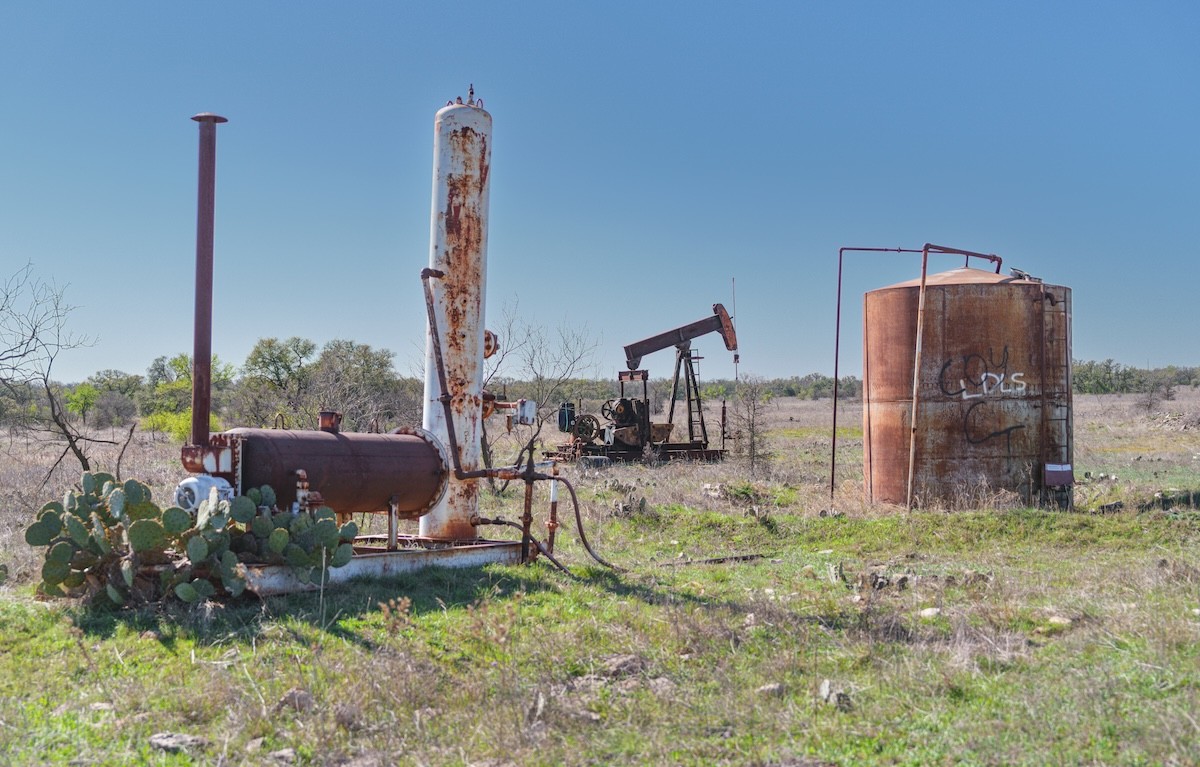
หลุมน้ำมันและก๊าซที่หมดอายุการผลิต ซึ่งเป็นปัญหาสิ่งแวดล้อมที่รอการแก้ไข กำลังถูกจับตามองในฐานะทรัพยากรที่มีศักยภาพสูงสำหรับเปลี่ยนผ่านสู่พลังงานสะอาด ไม่ว่าจะเป็นการนำมาใช้เป็นแหล่งพลังงานความร้อนใต้พิภพ (Geothermal), ระบบกักเก็บพลังงานด้วยแรงโน้มถ่วง (Gravity Energy Storage), หรือระบบกักเก็บพลังงานด้วยอากาศอัด (Compressed Air Energy Storage) ซึ่งนวัตกรรมเหล่านี้ไม่เพียงช่วยลดต้นทุนการพัฒนาโครงการพลังงานหมุนเวียน แต่ยังช่วยแก้ปัญหาหลุมร้างที่อาจรั่วไหลของก๊าซมีเทน ซึ่งเป็นก๊าซเรือนกระจกที่มีศักยภาพสูง
เจาะลึกผลกระทบทางธุรกิจและเทคโนโลยี (Deep Analysis)
จากมุมมองของนักลงทุนและผู้ประกอบการ การนำหลุมน้ำมันเก่ามาใช้ใหม่ถือเป็นกลยุทธ์ที่ชาญฉลาดในการลดต้นทุน (Cost Synergy) อย่างมีนัยสำคัญ โดยเฉพาะในสองประเด็นหลัก:
- ลดต้นทุนค่าใช้จ่ายในการปิดหลุม (Plug and Abandonment – P&A): โดยปกติแล้ว บริษัทน้ำมันต้องแบกรับต้นทุนมหาศาลในการอุดและปิดหลุมตามกฎหมาย เทคโนโลยีอย่าง Gravity Well ของ Renewell Energy เสนอโมเดลที่เปลี่ยนข้อผูกพันทางกฎหมายนี้ให้กลายเป็นสินทรัพย์ โดยการติดตั้งระบบกักเก็บพลังงานลงในหลุมแทน จะช่วยประหยัดค่า P&A ได้โดยตรง และสร้างรายได้จากการขายพลังงานในเวลาเดียวกัน นี่คือ “การตีสองนกด้วยก้อนหินก้อนเดียว” ตามที่ศาสตราจารย์ Taleghani จาก Penn State กล่าวไว้
- การประหยัดต้นทุนการขุดเจาะสำรวจ: โครงการพลังงานความร้อนใต้พิภพ (Geothermal) แบบดั้งเดิมมีต้นทุนสูงลิ่วจากการขุดเจาะลึก หลุมน้ำมันที่มีอยู่แล้วซึ่งเจาะลึกถึงชั้นหินร้อนจัด จึงกลายเป็นช่องทางเข้าถึงทรัพยากรความร้อนได้ทันที โดยไม่ต้องลงทุนขุดเจาะใหม่ ทำให้ต้นทุนโครงการลดลงและระยะเวลาคืนทุนเร็วขึ้น
รัฐบาลหลายรัฐในสหรัฐฯ เช่น อลาบามา นอร์ทดาโคตา และโคโลราโด เริ่มออกกฎหมายและสนับสนุนการศึกษาเพื่อสร้างกรอบการกำกับดูแล (Regulatory Framework) สำหรับการเปลี่ยนหลุมเหล่านี้ ซึ่งถือเป็นสัญญาณที่ดีสำหรับภาคเอกชนในการเข้ามาลงทุน เพราะความชัดเจนทางกฎหมายจะช่วยเร่งกระบวนการขออนุญาตที่เคยใช้เวลานานถึง 9 เดือน ให้สั้นลงและราบรื่นขึ้น
รูปแบบเทคโนโลยีที่น่าจับตามอง (Key Technologies)
- Geothermal (ความร้อนใต้พิภพ): ใช้น้ำหรือสารหล่อเย็นหมุนเวียนในหลุมเพื่อดึงความร้อนจากชั้นหินใต้ดิน ไปใช้ผลิตไฟฟ้าหรือทำความร้อนในอาคาร
- Gravity Well (พลังงานแรงโน้มถ่วง): ยกและลดน้ำหนักทรงกระบอกขนาดใหญ่ในหลุมลึก เมื่อยกน้ำหนักขึ้น (ชาร์จพลังงาน) และปล่อยลงมา (จ่ายพลังงาน) ผ่านระบบมอเตอร์-เจนเนอเรเตอร์ ต้นทุนกักเก็บ (LCOS) ถูกที่สุดในตลาดที่ $63/MWh
- Compressed Air (อากาศอัด): ใช้หลุมที่ลึกและมีอุณหภูมิสูงเป็นที่กักเก็บอากาศอัด ความร้อนจากใต้พิภพจะช่วยเพิ่มความดันและประสิทธิภาพในการปล่อยพลังงาน ทำให้ต้นทุนการกักเก็บด้วยวิธีนี้มีความเป็นไปได้ทางเศรษฐกิจมากขึ้น
อัปเดตเทรนด์เทคโนโลยีล่าสุดก่อนใครที่ TechBizInsight.com นะคะ
Full English Translation: Old oil and gas wells, which are an environmental problem awaiting a solution, are being eyed as high-potential resources for transitioning to clean energy. Whether used as geothermal heat sources, gravity energy storage systems, or compressed air energy storage, these innovations not only help reduce development costs for renewable energy projects but also address the issue of idle wells that may leak methane, a potent greenhouse gas.
Deep Business and Technology Analysis: From an investor and entrepreneur perspective, repurposing old oil wells is a clever strategy for achieving significant cost synergy, particularly in two key areas:
1. Reducing Plug and Abandonment (P&A) costs: Technology like Renewell Energy’s Gravity Well transforms a legal liability into an asset by installing an energy storage system in the well, directly saving P&A costs while generating revenue from energy sales. This is “killing two birds with one stone,” as Professor Taleghani from Penn State noted.
2. Saving on exploration drilling costs: Traditional geothermal projects are extremely costly due to deep drilling. Existing oil wells that reach hot rock formations provide immediate access to heat resources without new drilling, lowering project costs and accelerating payback periods.
Several U.S. states, including Alabama, North Dakota, and Colorado, are enacting laws and supporting studies to create a regulatory framework for these conversions. This is a positive signal for private sector investment, as legal clarity will help shorten the permitting process, which previously took up to nine months.
Key Technologies to Watch:
– Geothermal: Circulates water or coolant in the well to extract heat from underground rock layers for electricity generation or building heating.
– Gravity Well: Lifts and lowers a large cylindrical weight in a deep well. Lifting charges the system, and lowering discharges it via a motor-generator. Its Levelized Cost of Storage (LCOS) is the lowest on the market at $63/MWh.
– Compressed Air: Uses deep, hot wells as storage reservoirs for compressed air. Geothermal heat increases pressure and discharge efficiency, making this storage method more economically viable.
Citation Link: https://www.wired.com/story/oil-wells-second-life-clean-energy/