ดัตช์เปิดทาง! เนเธอร์แลนด์ประเทศแรกในยุโรปอนุมัติ Tesla FSD
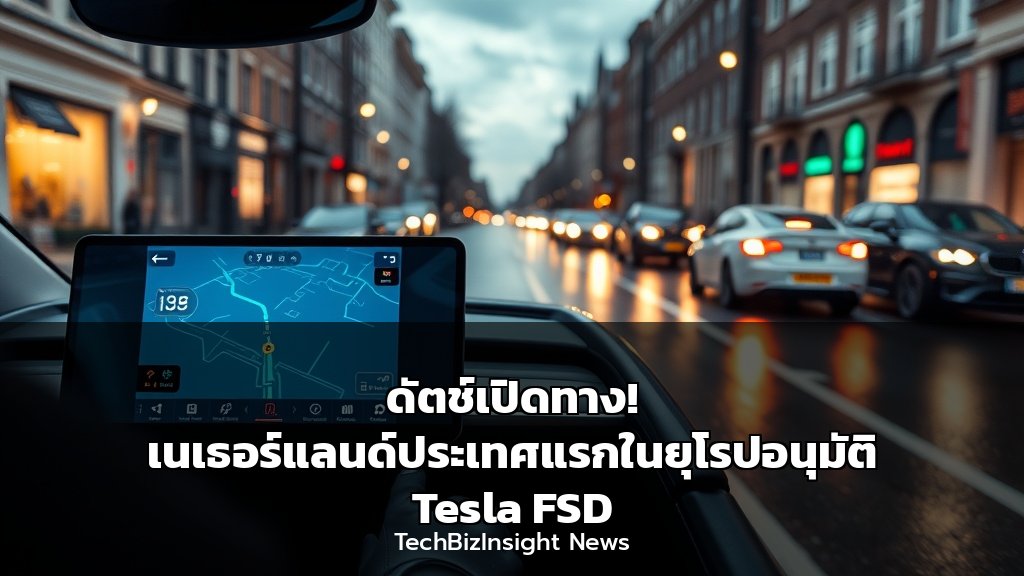
การอนุมัติระบบขับขี่อัตโนมัติเต็มรูปแบบ (Full Self-Driving หรือ FSD) ของ Tesla โดยหน่วยงาน RDW ของเนเธอร์แลนด์ ถือเป็นหมุดหมายสำคัญในอุตสาหกรรมยานยนต์ไฟฟ้าและเทคโนโลยีอัตโนมัติของยุโรป การตัดสินใจครั้งนี้ไม่ได้เป็นเพียงการอนุญาตให้ใช้ซอฟต์แวร์ขั้นสูงบนถนนสาธารณะเท่านั้น แต่ยังส่งสัญญาณถึงการเปลี่ยนแปลงเชิงนโยบายและความเชื่อมั่นในระบบอัจฉริยะที่อาจกำหนดทิศทางของตลาดรถยนต์ทั้งทวีปในอนาคต
การอนุมัติ FSD ในเนเธอร์แลนด์สะท้อนถึงการประเมินความปลอดภัยและความพร้อมของเทคโนโลยีที่เข้มงวด ซึ่งอาจเร่งให้เกิดการยอมรับในระดับสหภาพยุโรป (EU) มากขึ้น การวิเคราะห์เชิงลึกในมุมมองธุรกิจและเทคโนโลยีชี้ให้เห็นถึงผลกระทบที่สำคัญหลายประการ:
- การได้เปรียบในการแข่งขันของ Tesla: การเป็นผู้เล่นรายแรกและรายเดียว (ณ ขณะนี้) ที่ได้รับอนุมัติ FSD ในยุโรป สร้าง “ข้อได้เปรียบเชิงนวัตกรรม” (First-Mover Advantage) ที่ชัดเจน Tesla สามารถใช้เนเธอร์แลนด์เป็นฐานการสาธิตและเก็บข้อมูลการขับขี่ในสภาพแวดล้อมของยุโรป ซึ่งมีความซับซ้อนด้านกฎจราจรและสภาพถนนที่แตกต่างจากสหรัฐอเมริกา ข้อมูลนี้มีค่ามหาศาลสำหรับการฝึกฝนและปรับปรุงอัลกอริทึมของระบบอัตโนมัติให้แม่นยำและปลอดภัยยิ่งขึ้น
- การกำหนดมาตรฐานและแรงกดดันต่อคู่แข่ง: การอนุมัตินี้สร้างแรงกดดันโดยตรงต่อค่ายรถยนต์ยักษ์ใหญ่ยุโรปและผู้ผลิตรถยนต์ไฟฟ้ารายอื่นๆ ในการเร่งพัฒนาระดับความสามารถที่เทียบเท่า หรือต้องหันมาพิจารณาการร่วมมือทางเทคโนโลยี การที่หน่วยงานกำกับดูแลของยุโรปให้การยอมรับ แสดงให้เห็นว่าเฟรมเวิร์กด้านกฎระเบียบเริ่มเปิดรับระบบขับขี่อัตโนมัติระดับสูงแล้ว ซึ่งคู่แข่งต้องปรับตัวตาม
- โมเดลธุรกิจแบบ Software-as-a-Service (SaaS): ความสำเร็จนี้เน้นย้ำถึงศักยภาพของโมเดลรายได้จากซอฟต์แวร์ของ Tesla ซึ่งลูกค้าต้องจ่ายเงินเป็นครั้งเดียวหรือแบบสมาชิกรายเดือน/รายปีเพื่อเปิดใช้งาน FSD นี่คือการเปลี่ยนผ่านจากธุรกิจขาย “ฮาร์ดแวร์” (รถยนต์) ไปสู่การขาย “บริการและประสบการณ์ดิจิทัล” ที่มีอัตรากำไรสูงและสร้างรายได้ซ้ำอย่างต่อเนื่อง
- ความท้าทายด้านกฎหมายและความรับผิดชอบ: แม้จะได้รับการอนุมัติในรูปแบบ “Supervised” (ต้องมีผู้ขับคอยดูแล) แต่การนำไปใช้จริงยังต้องเผชิญกับคำถามเกี่ยวกับกรอบกฎหมายความรับผิดชอบเมื่อเกิดอุบัติเหตุ ความชัดเจนในประเด็นนี้จะเป็นกุญแจสำคัญต่อการขยายตัวในตลาดที่เหลือของ EU
Dutch regulators, the RDW (Rijksdienst voor het Wegverkeer), have officially approved Tesla’s Full Self-Driving (FSD) “Supervised” system for use on public roads. This landmark decision makes the Netherlands the first country in Europe to grant such authorization, potentially serving as a crucial precedent for wider regulatory acceptance across the European Union. The approval follows over eighteen months of rigorous testing and evaluation by the RDW.
This development is not merely a regulatory milestone but a significant business and technological event with far-reaching implications for the automotive industry in Europe.
Business and Technology Impact Analysis
The approval of Tesla’s FSD in the Netherlands represents a strategic inflection point with several key consequences:
- Substantial Competitive Advantage for Tesla: Securing first-mover status in the European market for advanced driver-assistance systems (ADAS) grants Tesla a powerful competitive edge. The Netherlands can now function as a live testing ground and data collection hub within a European context. The real-world driving data gathered from Dutch roads—with their unique traffic patterns, signage, and urban layouts—is invaluable for further training and refining Tesla’s neural networks, accelerating the system’s evolution specifically for European conditions.
- Setting a Regulatory Precedent and Increasing Pressure on Competitors: The RDW’s green light establishes a regulatory benchmark that other EU national authorities will likely scrutinize. It demonstrates that a European safety agency has deemed Tesla’s technology sufficiently mature for supervised use. This puts immense pressure on traditional European automakers and other EV rivals to either rapidly advance their own equivalent technologies (like Mercedes-Benz’s DRIVE PILOT) or explore partnerships to avoid falling behind in the race toward automated driving.
- Validation of the Software-Centric Business Model: This success underscores the viability of Tesla’s software-as-a-service (SaaS) revenue stream. FSD is a high-margin, recurring software offering—whether purchased upfront or via subscription. The European approval strengthens this business pillar, reinforcing Tesla’s transition from a hardware manufacturer to a technology company that monetizes digital features and services long after the initial vehicle sale.
- Navigating the Evolving Liability Landscape: The “Supervised” designation means the driver must remain attentive and ready to take control. However, this approval brings the complex issue of legal liability for automated systems to the forefront in Europe. Clear frameworks defining responsibility in the event of an incident will be essential for Tesla’s expansion into other EU markets and for the industry at large. How Dutch courts and insurers handle cases involving FSD will be closely watched.
Tesla’s European headquarters is based in Amsterdam, which likely facilitated close cooperation with the RDW during the testing phase. According to reports from Teslarati, the approval covers the current version of FSD Supervised, which includes features like automatic lane changing, navigation on autopilot, and autonomous parking.
Frequently Asked Questions (FAQ)
ถาม: การอนุมัติ FSD ในเนเธอร์แลนด์หมายความว่ารถ Tesla จะขับเองได้เต็มที่โดยไม่ต้องจับพวงมาลัยหรือไม่?
ตอบ: ไม่ใช่ ระบบที่ได้รับการอนุมัติคือ “FSD Supervised” ซึ่งหมายความว่าผู้ขับขี่ยังคงมีหน้าที่ต้องดูแลรถอยู่ตลอดเวลา มือต้องอยู่บนพวงมาลัยหรืออย่างน้อยต้องพร้อมที่จะควบคุมรถได้ทันที ระบบนี้เป็นผู้ช่วยขับขี่อัจฉริยะระดับสูง (Level 2+ autonomy) ไม่ใช่ระบบขับขี่อัตโนมัติเต็มรูปแบบแบบไม่มีคนขับ (Level 4-5)
ถาม: การอนุมัตินี้มีผลกับประเทศอื่นในยุโรปทันทีหรือไม่?
ตอบ: ไม่มีผลทันที การอนุมัติจาก RDW มีผลเฉพาะในเนเธอร์แลนด์ อย่างไรก็ตาม การตัดสินใจนี้มีความสำคัญเพราะเป็นการสร้างกรณีศึกษา (case study) สำหรับหน่วยงานกำกับดูแลของประเทศอื่นๆ ในสหภาพยุโรปที่จะใช้เป็นข้อมูลประกอบการตัดสินใจของตนเอง ซึ่งอาจนำไปสู่การอนุมัติในประเทศอื่นๆ ได้เร็วขึ้น