AI กับศิลปะ: เมื่อภาพประกอบข่าวเทคโนโลยีไม่จำเป็นต้องใช้ AI สร้าง
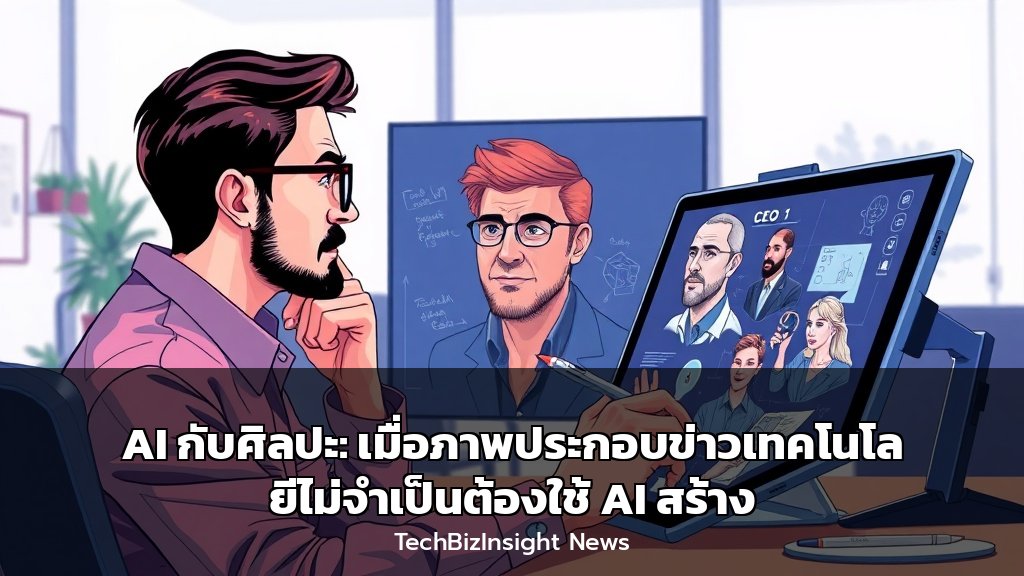
การเลือกใช้ภาพประกอบสำหรับบทความด้านเทคโนโลยี โดยเฉพาะที่เกี่ยวกับ AI นั้น เป็นการตัดสินใจเชิงกลยุทธ์ที่สะท้อนเนื้อหาและจุดยืนของสื่อได้เป็นอย่างดี กรณีภาพประกอบบทความของ The New Yorker ที่ว่าด้วย Sam Altman ผู้บริหาร OpenAI ซึ่งเลือกใช้ภาพวาดโดยมนุษย์ที่สื่อถึงความแปลกแยกและความหลากหลายของตัวตนในยุค AI ก่อให้เกิดการถกเถียงที่น่าสนใจว่า บทบาทของศิลปินมนุษย์ในยุคที่เครื่องจักรสามารถสร้างสรรค์งานศิลปะได้เองนั้นคืออะไร และการเลือกไม่ใช้ภาพจาก AI ในการพูดถึง AI นั้นส่งสารอันทรงพลังอย่างไร
การวิเคราะห์เชิงลึก: ผลกระทบทางธุรกิจของเทคโนโลยีและซอฟต์แวร์
การตัดสินใจของกองบรรณาธิการ The New Yorker ที่ไม่ใช้ภาพสร้างจาก AI ในการนำเสนอข่าวเกี่ยวกับตัวผู้นำบริษัท AI ระดับโลกนั้น ไม่ใช่แค่เรื่องสุนทรียภาพ แต่เป็นการสื่อสารเชิงกลยุทธ์ที่ชัดเจน การเลือกใช้ภาพวาดโดยมนุษย์ที่มีลักษณะเฉพาะและตีความได้หลากหลาย ส่งสัญญาณถึงการให้คุณค่ากับความคิดสร้างสรรค์ของมนุษย์ และการตั้งคำถามต่อธรรมชาติของตัวตนและความเป็นจริงในยุคที่เทคโนโลยีสามารถสร้างสิ่งปลอมแปลง (Deepfake) หรือตัวแทนดิจิทัลได้อย่างสมจริง ประเด็นนี้ส่งผลกระทบทางธุรกิจในหลายมิติ:
- การสร้างแบรนด์และจุดยืน (Brand Positioning): สื่อและบริษัทต่างๆ ต้องกำหนดจุดยืนที่ชัดเจนในการใช้เทคโนโลยีสร้างเนื้อหา (Generative AI) การเลือกใช้หรือไม่ใช้ AI ในการผลิตงานบางชิ้น กลายเป็นส่วนหนึ่งของอัตลักษณ์และคุณค่าของแบรนด์นั้นๆ สื่อที่เลือกใช้ศิลปินมนุษย์อาจวางตำแหน่งตัวเองในฐานะผู้สนับสนุนความคิดสร้างสรรค์ของมนุษย์และความหมายดั้งเดิมของงานศิลปะ
- มูลค่าทางเศรษฐกิจของงานสร้างสรรค์โดยมนุษย์: การที่สื่อใหญ่ลงทุนจ้างศิลปินมนุษย์เพื่องานสำคัญ แสดงให้เห็นว่าในตลาดยังคงมีพื้นที่และมูลค่าสำหรับความคิดสร้างสรรค์แบบดั้งเดิมที่เต็มไปด้วยความหมายและเจตนาที่ลึกซึ้ง ซึ่งซอฟต์แวร์ AI ในปัจจุบันยังไม่สามารถแทนที่ได้อย่างสมบูรณ์ นี่เป็นข้อมูลสำคัญสำหรับธุรกิจด้านครีเอทีฟและสื่อ
- ความน่าเชื่อถือและความไว้วางใจ (Trust): ในยุคที่ข้อมูลและภาพปลอมแพร่กระจายง่าย การที่สื่อใช้ภาพวาดโดยมนุษย์ซึ่งเปิดเผยตัวตนผู้สร้างได้ชัดเจน ช่วยสร้างความน่าเชื่อถือและความโปร่งใสให้กับเนื้อหาข่าว นี่เป็นปัจจัยสำคัญทางธุรกิจที่直接影响การรักษาผู้อ่านและผู้ลงโฆษณา
- การจัดการความเสี่ยงด้านจริยธรรม: การไม่ใช้ภาพจาก AI ในการพูดถึง AI อาจเป็นวิธีหนึ่งในการหลีกเลี่ยงคำถามยุ่งยากเกี่ยวกับลิขสิทธิ์ของข้อมูลฝึกสอน (Training Data) ของโมเดล AI ภาพ และการแย่งชิงงานของศิลปิน ซึ่งเป็นประเด็นความเสี่ยงทางกฎหมายและจริยธรรมที่บริษัทเทคโนโลยีและผู้ใช้บริการต้องจับตามอง
การอ้างอิงจากบทความต้นทางใน The Verge ชี้ให้เห็นว่าการสนทนาเรื่องนี้ไม่ได้จำกัดอยู่แค่ในวงการศิลปะ แต่ได้ขยายไปสู่การพิจารณาว่าเราต้องการสื่อสารเรื่องเทคโนโลยีอันทรงพลังนี้อย่างไร การเลือกเครื่องมือสื่อสารจึงกลายเป็นส่วนหนึ่งของข้อความนั้นเอง
Your article about AI doesn’t need AI art
The choice of illustration for a technology article, especially one concerning artificial intelligence, is a strategic decision that profoundly reflects the content and stance of the publication. The case of The New Yorker’s profile on OpenAI CEO Sam Altman, which utilized a human-drawn illustration depicting a sense of alienation and multiplicity of identity in the AI age, sparks a compelling debate. It forces us to consider the role of the human artist in an era where machines can generate art, and how the deliberate choice to avoid AI-generated imagery when discussing AI itself conveys a powerful meta-message.
Deep Dive Analysis: The Business Impact of Technology and Software
The editorial decision by The New Yorker to forgo AI-generated art for a story about the head of a leading AI company is not merely an aesthetic choice; it is a clear strategic communication. Opting for a uniquely human-drawn illustration, open to interpretation, signals a valuation of human creativity and raises questions about the nature of identity and reality in a time of deepfakes and digital replicas. This decision has tangible business implications across several dimensions:
- Brand Positioning and Stance: Media outlets and companies must now define clear positions on the use of generative AI. The choice to use or avoid AI in producing certain content has become part of a brand’s identity and values. A publication that commissions human artists may position itself as a supporter of human creativity and the traditional, intentional meaning of art.
- Economic Value of Human Creativity: The investment by a major publication in a human artist for a significant piece demonstrates that the market still holds space and value for traditional, meaning-rich, and deeply intentional creativity—a nuance current AI software cannot fully replicate. This is critical market intelligence for creative and media businesses.
- Trust and Credibility: In an era of rampant misinformation and synthetic media, using human-drawn art from an identifiable creator fosters trust and transparency with the audience. This is a crucial business factor that directly impacts reader retention and advertiser confidence.
- Ethical Risk Management: Avoiding AI-generated imagery when covering AI can be a way to sidestep thorny ethical questions surrounding the copyright of AI training data and the displacement of human artists. These are legal and ethical risk factors that technology companies and their clients must navigate.
As referenced in the source article from The Verge, this conversation extends beyond the art world, challenging us to consider how we choose to communicate about the powerful technology we are building. The choice of medium becomes part of the message itself.
FAQ
ถาม: ทำไมสื่อบางแห่งถึงเลือกไม่ใช้ภาพจาก AI ในการเขียนข่าวเกี่ยวกับ AI?
ตอบ: การตัดสินใจนี้อาจมาจากเหตุผลหลายประการ ได้แก่ การต้องการรักษามูลค่าและบทบาทของความคิดสร้างสรรค์ของมนุษย์ การหลีกเลี่ยงประเด็นข้อโต้แย้งด้านจริยธรรมเกี่ยวกับข้อมูลฝึกสอน และการสื่อสารจุดยืนที่ชัดเจนว่าเนื้อหานั้นผลิตขึ้นโดยมนุษย์สำหรับมนุษย์ ซึ่งช่วยสร้างความแตกต่างและความน่าเชื่อถือให้กับแบรนด์
ถาม: การใช้ภาพวาดโดยมนุษย์แทนที่ภาพจาก AI ส่งผลต่อธุรกิจสื่ออย่างไร?
ตอบ: ในระยะสั้นอาจมีต้นทุนที่สูงกว่า แต่ในระยะยาวช่วยสร้างอัตลักษณ์ของแบรนด์ที่ชัดเจน ดึงดูดกลุ่มผู้อ่านที่ให้คุณค่ากับงานสร้างสรรค์ของมนุษย์ และสร้างความน่าเชื่อถือซึ่งเป็นสินทรัพย์ที่สำคัญในยุคที่ข้อมูลปลอมแปลงแพร่กระจายง่าย นี่คือการลงทุนในคุณค่าที่จับต้องได้น้อยแต่สำคัญต่อการอยู่รอดของสื่อ