เบทาโกรพลิกโฉมองค์กรด้วย AI ปลดล็อกศักยภาพพนักงาน Gen Z สู่ตลาดโลก
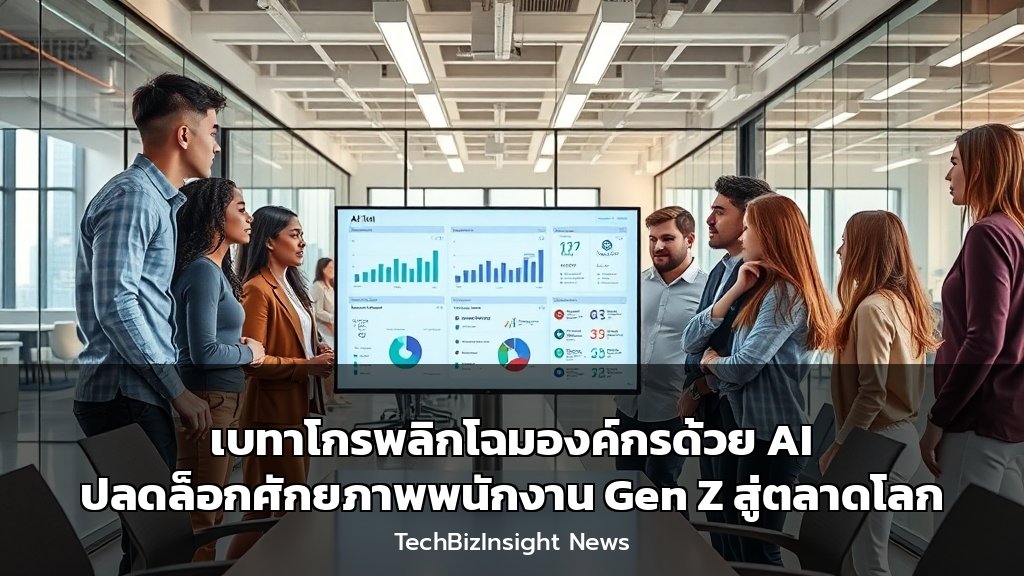
เบทาโกร หนึ่งในผู้นำธุรกิจเกษตรอุตสาหกรรมและอาหารครบวงจรของไทย กำลังก้าวเข้าสู่ยุคใหม่ของการบริหารองค์กรด้วยการนำเทคโนโลยีปัญญาประดิษฐ์ (AI) และข้อมูล (Data) มาเป็นแกนหลักในการขับเคลื่อน พวกเขาเลือกเส้นทางที่ชาญฉลาดด้วยแนวคิด “ไม่ลดคน แต่เพิ่มทักษะ” ซึ่งหมายถึงการใช้เครื่องมือดิจิทัลจัดการงานประจำและงานซ้ำซ้อน เพื่อให้ทรัพยากรบุคคลที่มีค่าสามารถโฟกัสไปที่งานสร้างสรรค์และกลยุทธ์ที่ซับซ้อนมากขึ้น กลยุทธ์นี้ไม่เพียงแต่เพิ่มประสิทธิภาพภายใน แต่ยังถูกออกแบบมาเพื่อดึงดูดและรักษาคนรุ่นใหม่เจนวายและเจนแซด ซึ่งเป็นกำลังหลักแห่งอนาคต ให้เติบโตไปพร้อมกับการขยายตลาดสู่ระดับสากลของบริษัท
การปรับเปลี่ยนของเบทาโกรในครั้งนี้สะท้อนให้เห็นถึงความเข้าใจลึกซึ้งเกี่ยวกับการเปลี่ยนแปลงของโลกธุรกิจสมัยใหม่ ที่เทคโนโลยีไม่ได้มาแทนที่มนุษย์ แต่มาช่วยเสริมศักยภาพให้มนุษย์ทำงานได้อย่างชาญฉลาดและมีคุณค่ามากขึ้น
การวิเคราะห์เชิงลึก: กลยุทธ์เทคโนโลยีเพื่อความได้เปรียบทางธุรกิจ
การตัดสินใจของเบทาโกรในการใช้ AI และ Data เป็นมากกว่าการอัพเกรดระบบ IT ทั่วไป แต่เป็นการวางรากฐานทางธุรกิจใหม่ (Business Foundation) ที่มีนัยสำคัญอย่างยิ่งต่อการเติบโตในระยะยาว กลยุทธ์นี้สร้างผลกระทบเชิงบวกในหลายมิติ:
- เพิ่ม Productivity อย่างยั่งยืน: การมอบหมายงาน routine ให้ AI ช่วยลดข้อผิดพลาด เพิ่มความเร็ว และทำให้กระบวนการทำงานมีมาตรฐาน ส่งผลให้พนักงานมีเวลาและพลังงานทางจิต (Mental Bandwidth) มากขึ้นสำหรับการคิดวิเคราะห์ การแก้ปัญหาที่ซับซ้อน และการสร้างนวัตกรรม ซึ่งเป็นงานที่สร้างมูลค่าสูงให้องค์กร
- สร้างวัฒนธรรมองค์กรแห่งการเรียนรู้ (Learning Culture): แนวทาง “เพิ่มทักษะ” บังคับให้องค์กรต้องลงทุนในการฝึกอบรมและพัฒนาพนักงานอย่างจริงจัง สิ่งนี้เปลี่ยนบทบาทของฝ่าย HR จากผู้จัดการทรัพยากร เป็นผู้สร้างขีดความสามารถ (Capability Builder) และช่วยสร้างสภาพแวดล้อมที่พนักงานรู้สึกว่าตนเองมีคุณค่าและได้รับการพัฒนาอย่างต่อเนื่อง
- ได้เปรียบในการดึงดูดและรักษาทalent รุ่นใหม่: เจนแซดและมิลเลนเนียลเป็นกลุ่มพนักงานที่เติบโตมากับดิจิทัล พวกเขาคาดหวังให้ที่ทำงานมีเครื่องมือที่ทันสมัยและมีประสิทธิภาพ การที่เบทาโกรนำ AI มาใช้อย่างชัดเจน ทำให้บริษัทดูเป็นองค์กรที่ก้าวหน้าและน่าทำงานด้วย (Employer of Choice) ในสายตาของคนรุ่นใหม่ ซึ่งสำคัญมากในการรับมือกับปัญหาขาดแคลนแรงงานทักษะสูง
- เตรียมความพร้อมสำหรับการขยายตัวระดับโลก: ก่อนจะก้าวออกไปแข่งขันในตลาดต่างประเทศ องค์กรต้องมีประสิทธิภาพและความคล่องตัวภายในในระดับสูงเสียก่อน การใช้ Data และ AI ในการบริหารห่วงโซ่อุปทาน การผลิต การตลาด และการบริการลูกค้า ทำให้เบทาโกรมีข้อมูลที่แม่นยำและสามารถตัดสินใจได้รวดเร็ว ซึ่งเป็นปัจจัยชี้ขาดสำหรับการดำเนินธุรกิจข้ามพรมแดน
การเปลี่ยนแปลงนี้แสดงให้เห็นว่าในยุคปัจจุบัน การลงทุนในซอฟต์แวร์และระบบอัจฉริยะไม่ใช่แค่เรื่องของค่าใช้จ่ายด้านไอทีอีกต่อไป แต่เป็นการลงทุนทางธุรกิจโดยตรงที่ส่งผลต่อขีดความสามารถในการแข่งขัน การสร้างนวัตกรรม และความยั่งยืนขององค์กรในระยะยาว
Frequently Asked Questions (FAQ)
ถาม: เบทาโกรใช้ AI กับงานประเภทใดบ้าง?
ตอบ: เบทาโกรเน้นการใช้ AI และระบบอัตโนมัติเพื่อจัดการงานซ้ำซ้อนและงานประจำ (routine tasks) ในกระบวนการต่างๆ เช่น การประมวลผลข้อมูลในห่วงโซ่อุปทาน การวิเคราะห์ข้อมูลการผลิตเบื้องต้น การจัดการเอกสาร และการบริการลูกค้าพื้นฐาน เพื่อปลดปล่อยเวลาของพนักงานไปสู่การทำงานเชิงกลยุทธ์มากขึ้น
ถาม: แนวคิด “ไม่ลดคน แต่เพิ่มทักษะ” สำคัญอย่างไรต่ออนาคตของบริษัท?
ตอบ: แนวคิดนี้มีความสำคัญอย่างยิ่งเพราะเป็นการบริหารทรัพยากรมนุษย์ที่มองการณ์ไกล แทนที่การลดต้นทุนแรงงานระยะสั้น บริษัทเลือกลงทุนในการพัฒนาศักยภาพพนักงาน ซึ่งนำไปสู่ความจงรักภักดีต่อองค์กรที่สูงขึ้น (Employee Loyalty) การสร้างนวัตกรรมจากภายใน และการเตรียมกำลังคนที่มีทักษะดิจิทัลพร้อมสำหรับการขยายธุรกิจไปยังตลาดใหม่ๆ โดยเฉพาะกลุ่ม Gen Z ที่จะเป็นกำลังหลักในการขับเคลื่อนองค์กรในทศวรรษหน้า
Betagro Embraces Future Business Model: Transforming with AI, Expanding into Giant Markets, and Empowering Gen Z as Key Drivers
Betagro, a leading Thai integrated agro-industrial and food business, is boldly stepping into a new era of corporate management by strategically integrating Artificial Intelligence (AI) and Data as core drivers of its transformation. The company has adopted an intelligent path with the philosophy of “not reducing staff, but enhancing skills.” This approach involves deploying digital tools to handle routine and repetitive tasks, thereby freeing up its valuable human resources to focus on more creative, complex, and strategic work. This strategy is designed not only to boost internal efficiency but also to attract and retain Millennial and Gen Z talent—the future workforce—enabling them to grow alongside the company’s ambitious expansion into international markets.
In-Depth Analysis: Technology Strategy for Business Advantage
Betagro’s decision to leverage AI and Data transcends a typical IT system upgrade; it represents the establishment of a new business foundation with profound implications for long-term growth. This strategy creates positive impacts across multiple dimensions:
- Sustainable Productivity Enhancement: Delegating routine tasks to AI minimizes errors, increases speed, and standardizes processes. This grants employees more time and mental bandwidth for analytical thinking, solving complex problems, and driving innovation—work that generates significantly higher value for the organization.
- Fostering a Learning Culture: The “enhancing skills” mandate compels the organization to invest seriously in employee training and development. This transforms the HR department’s role from resource manager to capability builder and cultivates an environment where employees feel valued and experience continuous growth.
- Competitive Edge in Talent Attraction and Retention: Gen Z and Millennials are digital-native employees who expect modern, efficient tools in their workplace. Betagro’s clear commitment to AI positions the company as a progressive and desirable employer (Employer of Choice) for the new generation, which is crucial in addressing the shortage of high-skilled labor.
- Preparation for Global Expansion: Before competing effectively in foreign markets, an organization must first achieve a high level of internal efficiency and agility. Utilizing Data and AI in managing the supply chain, production, marketing, and customer service provides Betagro with accurate, real-time insights for rapid decision-making—a critical factor for successful cross-border operations.
This transformation underscores that in the current landscape, investment in intelligent software and systems is no longer merely an IT expenditure. It is a direct business investment that impacts competitive capability, innovation potential, and the long-term sustainability of the organization.
For further reading on corporate digital transformation trends, a relevant perspective can be found at Brand Inside.
json

{

  "@context": "https://schema.org",

  "@type": "FAQPage",

  "mainEntity": [

    {

      "@type": "Question",

      "name": "What types of tasks is Betagro applying AI to?",

      "acceptedAnswer": {

        "@type": "Answer",

        "text": "Betagro is focusing on using AI and automation to manage repetitive and routine tasks across various processes. This includes data processing in the supply chain, preliminary production data analysis, document management, and basic customer service functions. The goal is to free up employee time for more strategic work."

      }

    },

    {

      "@type": "Question",

      "name": "Why is the 'not reducing staff, but enhancing skills' philosophy important for the company's future?",

      "acceptedAnswer": {

        "@type": "Answer",

        "text": "This philosophy is critically important as it represents a forward-thinking approach to human resource management. Instead of short-term labor cost reduction, the company invests in upskilling its workforce. This leads to higher employee loyalty, fosters internal innovation, and prepares a digitally-skilled talent pool, particularly from the Gen Z demographic, to be the key drivers for business expansion into new markets."

      }

    }

  ]

}