การโจมตี CEO OpenAI สะท้อนความหวาดกลัว AI สุดขั้วในสังคม
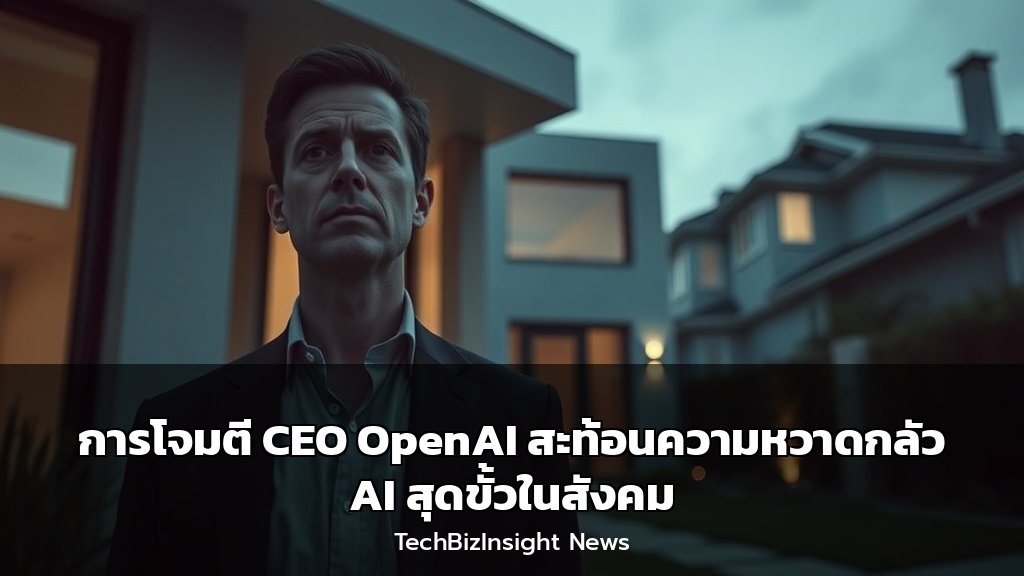
ในเหตุการณ์ที่สั่นสะเทือนวงการเทคโนโลยี ผู้ต้องสงสัยอายุ 20 ปีถูกจับกุมในข้อหาพยายามก่อเหตุโจมตีบ้านของ แซม อัลต์แมน ซีอีโอของ OpenAI ด้วยระเบิดโมโลตอฟ จากการสืบสวนของสื่อท้องถิ่นซานฟรานซิสโก พบว่าผู้ต้องสงสัยได้เขียนบทความออนไลน์แสดงความหวาดกลัวอย่างลึกซึ้งว่า การแข่งขันด้านปัญญาประดิษฐ์ที่ดุเดือดอาจนำไปสู่การสูญพันธุ์ของมนุษยชาติ เหตุการณ์นี้ซึ่งเกิดขึ้นซ้ำในระยะเวลาเพียงไม่กี่วัน ไม่ได้เป็นเพียงคดีอาญาทั่วไป แต่เป็นสัญญาณเตือนที่ชัดเจนถึงความตึงเครียดและความกลัวในระดับสังคมที่เทคโนโลยี AI ก้าวล้ำนี้ได้ก่อตัวขึ้น มันสะท้อนให้เห็นช่องว่างระหว่างการรับรู้ของสาธารณชนกับแนวทางการพัฒนาของบริษัทเทคโนโลยีชั้นนำ ซึ่งเป็นประเด็นที่นักธุรกิจและผู้กำหนดนโยบายต้องให้ความสำคัญเป็นอย่างยิ่ง
การโจมตีครั้งนี้เปิดโปงความเสี่ยงทางธุรกิจที่ลึกซึ้งไปกว่าความปลอดภัยทางกายภาพ มันชี้ให้เห็นถึง “ความเสี่ยงด้านชื่อเสียงและสังคม” (Social & Reputational Risk) ในระดับที่วิกฤตสำหรับบริษัท AI การที่ความรู้สึกหวาดกลัวต่อเทคโนโลยีได้ถูกเปลี่ยนเป็นความรุนแรงต่อตัวบุคคลที่เป็นสัญลักษณ์ นั่นคือสัญญาณเตือนที่หนักหนาสำหรับทุกบริษัทในอุตสาหกรรมนี้
- ต้นทุนการจัดการวิกฤตที่พุ่งสูงขึ้น: เหตุการณ์ความรุนแรงจะทำให้บริษัทต้องใช้งบประมาณและทรัพยากรบุคคลจำนวนมากเพื่อเพิ่มความปลอดภัยให้กับผู้นำและพนักงานระดับสูง สร้างบรรยากาศการทำงานที่ตึงเครียด และอาจส่งผลต่อการดึงดูดและรักษาคน talent ในระยะยาว
- การขยายตัวของช่องว่างทางการสื่อสาร (Communication Gap): เหตุการณ์นี้แสดงให้เห็นว่าการสื่อสารเรื่องความปลอดภัย AI ของบริษัทเทคไปไม่ถึงกลุ่มคนบางส่วนในสังคม หรือไม่สามารถโน้มน้าวใจได้สำเร็จ การที่ข้อความถูกตีความจนนำไปสู่การกระทำรุนแรง แสดงถึงความล้มเหลวในการสร้างความเข้าใจร่วมกัน ซึ่งเป็นภัยคุกคามต่อ “ใบอนุญาตทางสังคม” (Social License to Operate) ของอุตสาหกรรม
- แรงกดดันด้านกฎระเบียบที่รุนแรงและเร่งด่วนขึ้น: เหตุการณ์รุนแรงดังกล่าวจะเป็นน้ำหนักที่ทรงพลังให้กับฝ่ายที่เรียกร้องให้มีการควบคุม AI อย่างเข้มงวด รัฐบาลและหน่วยงานกำกับดูแลจะมีเหตุผลทางสังคมและการเมืองที่ชัดเจนยิ่งขึ้นในการออกมาตรการที่อาจเข้มงวดและรวดเร็วเกินกว่าที่อุตสาหกรรมคาดการณ์ ซึ่งส่งผลโดยตรงต่อโมเดลธุรกิจและแผนการลงทุน
- ความท้าทายในการเป็นผู้นำองค์กร (Leadership Liability): การเป็น CEO ของบริษัท AI ชั้นนำไม่เพียงแต่มาพร้อมกับความรับผิดชอบทางธุรกิจ แต่ยังรวมถึงความเสี่ยงส่วนบุคคลที่เพิ่มขึ้นในฐานะ “ตัวแทนทางสัญลักษณ์” ของเทคโนโลยี ทั้งนี้ อาจส่งผลต่อการตัดสินใจของบอร์ดและผู้ถือหุ้นเกี่ยวกับการบริหารองค์กรและทิศทางของบริษัท
การจะลดความเสี่ยงเหล่านี้ได้ บริษัทเทคโนโลยีต้องเปลี่ยนแนวทางจากการ “บอกกล่าว” สู่การ “มีส่วนร่วม” อย่างจริงจัง นั่นหมายถึงการลงทุนในกระบวนการรับฟังความคิดเห็นจากหลายภาคส่วน (Stakeholder Engagement) ที่โปร่งใส การมีส่วนร่วมกับนักวิชาการและกลุ่มนอกแวดวงเทคโนโลยีเพื่อสร้างกรอบความปลอดภัยที่สังคมยอมรับได้ และที่สำคัญคือการพัฒนาซอฟต์แวร์และระบบ AI ด้วยกรอบการทำงานที่คำนึงถึงผลกระทบทางสังคมเป็นหลัก (Ethical-by-Design Framework) การจัดการความกลัวต่อ AI ต้องอาศัยมากกว่าคำพูดหรือเอกสารนโยบาย แต่อยู่ที่การแสดงออกถึงความรับผิดชอบผ่านการออกแบบผลิตภัณฑ์และวัฒนธรรมองค์กรอย่างแท้จริง
The recent alleged attacks on OpenAI CEO Sam Altman’s home, as reported by The San Francisco Chronicle, transcend a simple criminal act. They represent a stark and alarming manifestation of the deep-seated societal fears surrounding artificial intelligence. The suspect’s reported writings, expressing a terror that the AI race could lead to human extinction, highlight a dangerous and widening chasm between the breakneck pace of technological development in Silicon Valley and the public’s understanding and acceptance of its risks. For business leaders and investors, this incident is a critical warning siren about a new category of enterprise risk.
This event underscores severe “Social and Reputational Risks” that pose an existential threat to AI companies. When existential fear of a technology transforms into physical violence against its most visible human symbol, it signals a profound failure in public communication and trust-building. The business implications are severe and multifaceted.
- Escalating Crisis Management Costs: Companies will now need to allocate significant resources to executive and high-level employee security, creating a more tense operating environment and potentially impacting talent recruitment and retention.
- The Expansion of the Communication Gap: The incident reveals that corporate messaging about AI safety is failing to reach or persuade segments of the population. This failure threatens the industry’s “Social License to Operate,” the implicit public permission needed to function without heavy-handed restriction.
- Accelerated and Hardened Regulatory Pressure: Such a dramatic event provides potent ammunition for advocates of strict AI regulation. Governments may feel compelled to enact swift, stringent controls that could outpace and disrupt current business models and roadmaps.
- Increased Leadership Liability: The role of an AI CEO now carries not just business responsibility but also heightened personal risk as a “technological symbol.” This new reality could influence board, investor, and executive decisions regarding corporate governance and strategic direction.
Mitigating these risks requires a fundamental shift from corporate “messaging” to genuine “engagement.” This involves investing in transparent multi-stakeholder processes, collaborating with voices outside the tech bubble to co-create safety frameworks, and, most crucially, developing software within a robust Ethical-by-Design framework. Managing AI anxiety will depend less on whitepapers and more on demonstrable responsibility embedded in products and corporate culture.
FAQ
เหตุการณ์นี้ส่งผลต่อกลยุทธ์ของบริษัท AI อื่นๆ อย่างไร?
บริษัท AI ทุกแห่งจะต้องประเมินมาตรการความปลอดภัยสำหรับผู้นำและพนักงานใหม่ทันที นอกจากนี้ พวกเขาจำเป็นต้องทบทวนและปรับปรุงกลยุทธ์การสื่อสารกับสาธารณชนอย่างเร่งด่วน โดยหันไปสนใจการมีส่วนร่วมกับกลุ่มชุมชนและผู้มีส่วนได้ส่วนเสียที่หลากหลายมากขึ้น แทนการประชาสัมพันธ์แบบทางเดียว เพื่อสร้างความไว้วางใจและลดความตึงเครียดทางสังคม
นักลงทุนควรตีความเหตุการณ์นี้อย่างไร?
นักลงทุนควรมองเหตุการณ์นี้เป็นตัวบ่งชี้ความเสี่ยงระดับระบบ (Systemic Risk) ในพอร์ตการลงทุนด้านเทคโนโลยี มันเน้นย้ำถึงความสำคัญของการประเมินบริษัทเทคโนโลยีไม่เพียงแค่จากศักยภาพทางการเงินและผลิตภัณฑ์ แต่ยังต้องดูจาก “ความเสี่ยงด้านชื่อเสียงและสังคม” ความสามารถในการจัดการกับประเด็นความกังวลของสาธารณชน และความโปร่งใสในกรอบการทำงานด้านจริยธรรม ซึ่งอาจส่งผลกระทบรุนแรงต่อมูลค่าบริษัทในระยะยาว
json

{

  "@context": "https://schema.org",

  "@type": "FAQPage",

  "mainEntity": [

    {

      "@type": "Question",

      "name": "How does this incident affect the strategy of other AI companies?",

      "acceptedAnswer": {

        "@type": "Answer",

        "text": "All AI companies will be forced to immediately reassess security measures for executives and employees. More critically, they must urgently review and enhance their public communication strategies, shifting focus towards deeper engagement with diverse community groups and stakeholders rather than one-way publicity, to build trust and mitigate social tension."

      }

    },

    {

      "@type": "Question",

      "name": "How should investors interpret this event?",

      "acceptedAnswer": {

        "@type": "Answer",

        "text": "Investors should view this as an indicator of systemic risk within tech portfolios. It highlights the necessity of evaluating technology companies not just on financial and product potential, but also on their 'Social and Reputational Risk,' their capability to manage public concerns, and the robustness of their ethical frameworks—all factors that can materially impact long-term valuation."

      }

    }

  ]

}