คนไทยครองแชมป์กินแซลมอนในอาเซียน นำเข้าพุ่งแซงหน้าญี่ปุ่น
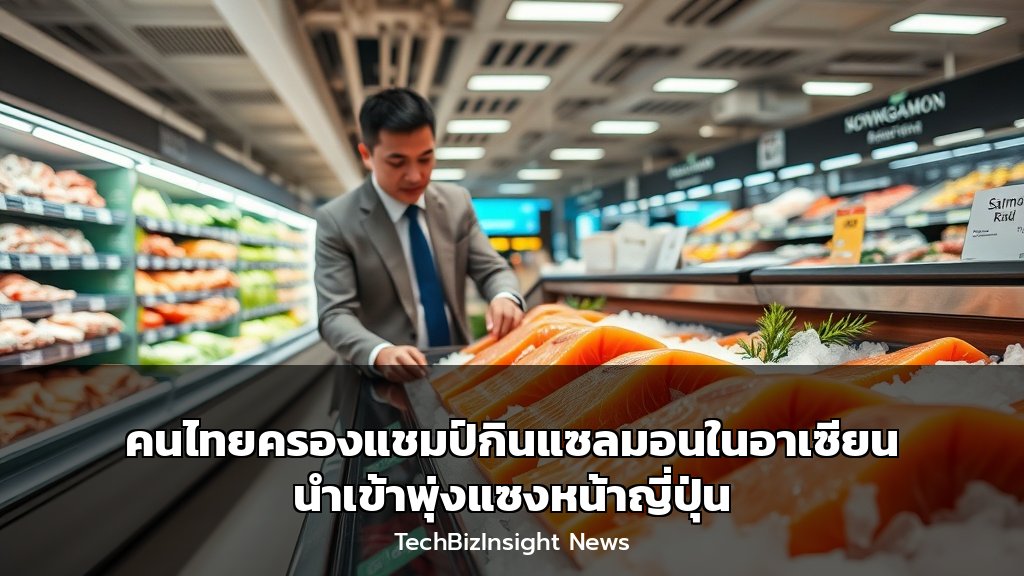
ในช่วงไม่กี่ปีที่ผ่านมา แซลมอนได้กลายเป็นดาวเด่นของวงการอาหารไทยอย่างแท้จริง จากเมนูหรูในร้านอาหารกลายเป็นวัตถุดิบหลักในมื้อครัวเรือน ความนิยมที่พุ่งสูงขึ้นนี้สะท้อนให้เห็นจากการเติบโตของการนำเข้าแซลมอนจากนอร์เวย์ ซึ่งเป็นผู้ผลิตหลักของโลก ที่เพิ่มขึ้นถึง 140% ในระยะเวลาเพียง 5 ปี สถิติล่าสุดที่น่าตกใจคือ ปริมาณการนำเข้าแซลมอนของไทยในปัจจุบันนั้นสูงกว่าญี่ปุ่นแล้ว ซึ่งเป็นการพลิกโฉมตลาดอาหารทะเลระดับภูมิภาคและเปิดโอกาสทางธุรกิจใหม่ๆ มากมาย
การเติบโตอย่างก้าวกระโดดของตลาดแซลมอนในไทยไม่ใช่แค่เทรนด์การบริโภคชั่วคราว แต่เป็นปรากฏการณ์ทางธุรกิจที่ขับเคลื่อนโดยปัจจัยด้านเทคโนโลยีและซอฟต์แวร์อย่างมีนัยสำคัญ การเปลี่ยนแปลงนี้สร้างผลกระทบเชิงลึกต่อทั้งห่วงโซ่อุปทานและโมเดลธุรกิจในอุตสาหกรรมอาหาร
- โลจิสติกส์และติดตามย้อนกลับด้วยเทคโนโลยี (Tech-Driven Logistics & Traceability): คุณภาพและความสดของแซลมอนเป็นปัจจัยชี้เป็นชี้ตาย ซัพพลายเชนสมัยใหม่จึงพึ่งพาซอฟต์แวร์จัดการคลังสินค้า (Warehouse Management Systems – WMS) และระบบติดตามย้อนกลับ (Blockchain หรือ IoT-based Tracking) อย่างหนัก เพื่อควบคุมอุณหภูมิและติดตามการเคลื่อนย้ายทุกขั้นตอน ตั้งแต่ฟาร์มในนอร์เวย์จนถึงแผงจำหน่ายในไทย ซึ่งสร้างความมั่นใจให้ผู้บริโภคและลดการสูญเสียจากสินค้าเสียหายได้อย่างมหาศาล
- การตลาดดิจิทัลและแพลตฟอร์มสั่งอาหาร (Digital Marketing & Platform Economy): ความนิยมแซลมอนแพร่หลายผ่านคอนเทนต์บนโซเชียลมีเดียและบล็อกเกอร์ด้านอาหาร แพลตฟอร์มการสั่งอาหารออนไลน์และซุปเปอร์มาร์เก็ตดิจิทัลทำให้การเข้าถึงสินค้านำเข้าคุณภาพสูงง่ายดายขึ้น การใช้ซอฟต์แวร์วิเคราะห์ข้อมูลผู้บริโภคช่วยให้ผู้จัดจำหน่ายและร้านอาหารสามารถทำการตลาดแบบเจาะกลุ่มและจัดการสต็อกได้อย่างมีประสิทธิภาพ
- นวัตกรรมในร้านอาหารและรีเทล (Restaurant & Retail Innovation): ร้านอาหารทั้งระดับฟิเน่ดิ่งและร้านสตรีทฟู้ดใช้แซลมอนเป็นเมนูหลัก ซอฟต์แวร์จัดการร้านอาหาร (POS และ Inventory Systems) ช่วยบริหารต้นทุนและความต้องการของวัตถุดิบนำเข้าที่มีราคาสูงนี้ได้อย่างแม่นยำ ในส่วนรีเทล การใช้ระบบจัดการซัพพลายเชนช่วยให้สามารถวางแผนการนำเข้าและกระจายสินค้าให้สอดคล้องกับความต้องการที่เพิ่มขึ้นอย่างรวดเร็ว
The Thai market for salmon has undergone a remarkable transformation, evolving from a niche, luxury ingredient to a mainstream staple. This surge is quantified by a staggering 140% growth in imports from Norway, the world’s leading producer, over just five years. The most striking indicator of this shift is that Thailand’s current salmon import volume now surpasses that of Japan, signaling a major realignment in regional seafood consumption and opening substantial new business avenues.
This explosive growth is not merely a passing consumer trend but a significant business phenomenon deeply intertwined with technological and software advancements. The impact resonates across the entire supply chain and business models within the food industry.
- Tech-Driven Logistics and Traceability: The premium price of salmon is predicated on its quality and freshness. Modern supply chains heavily rely on sophisticated Warehouse Management Systems (WMS) and traceability solutions (utilizing blockchain or IoT sensors) to maintain an unbroken cold chain and monitor the product’s journey from Norwegian farms to Thai shelves. This technology minimizes spoilage, ensures food safety, and builds consumer trust—a critical factor for a high-value imported product.
- Digital Marketing and the Platform Economy: The popularity of salmon has been amplified through social media content and food influencers. Crucially, the rise of online food delivery platforms and digital supermarket apps has dramatically improved access to premium imported goods. Consumer data analytics software allows distributors and restaurants to execute targeted marketing campaigns and manage inventory for this specific, high-demand product with greater precision.
- Restaurant and Retail Innovation: Salmon features prominently on menus across the spectrum, from fine dining to street food. For these businesses, restaurant management software (integrated POS and inventory systems) is essential for controlling the cost and supply of this expensive imported ingredient. On the retail side, advanced supply chain management software enables importers and supermarkets to forecast demand, plan logistics, and distribute stock efficiently to meet the rapidly growing consumption.
ข้อมูลอ้างอิง (Reference):
รายงานและข้อมูลเบื้องต้นเกี่ยวกับการส่งออกอาหารทะเลนอร์เวย์สามารถติดตามได้จากหน่วยงานทางการของนอร์เวย์ The Norwegian Seafood Council.
คำถามที่พบบ่อย (FAQ)
คนไทยบริโภคแซลมอนมากแค่ไหน?
จากข้อมูลการนำเข้า ล่าสุดประเทศไทยบริโภคแซลมอนประมาณ 30,000 ตันต่อปี และมีอัตราการเติบโตของการนำเข้าสูงถึง 140% ในช่วง 5 ปีที่ผ่านมา
ทำไมแซลมอนจากนอร์เวย์ถึงได้รับความนิยมในไทย?
แซลมอนนอร์เวย์ได้รับความนิยมเนื่องจากคุณภาพมาตรฐานสูง ความสดจากการจัดการซัพพลายเชนที่ทันสมัย และการส่งเสริมการตลาดที่ตรงกลุ่ม รวมถึงการปรับตัวของร้านอาหารและช่องทางขายปลีกในไทยที่นำเสนอเมนูแซลมอนที่หลากหลายและเข้าถึงง่ายขึ้น