เปิดกลยุทธ์ VC สายแข็ง เมื่อโลกแตกสลาย การลงทุนยังไงให้ปัง
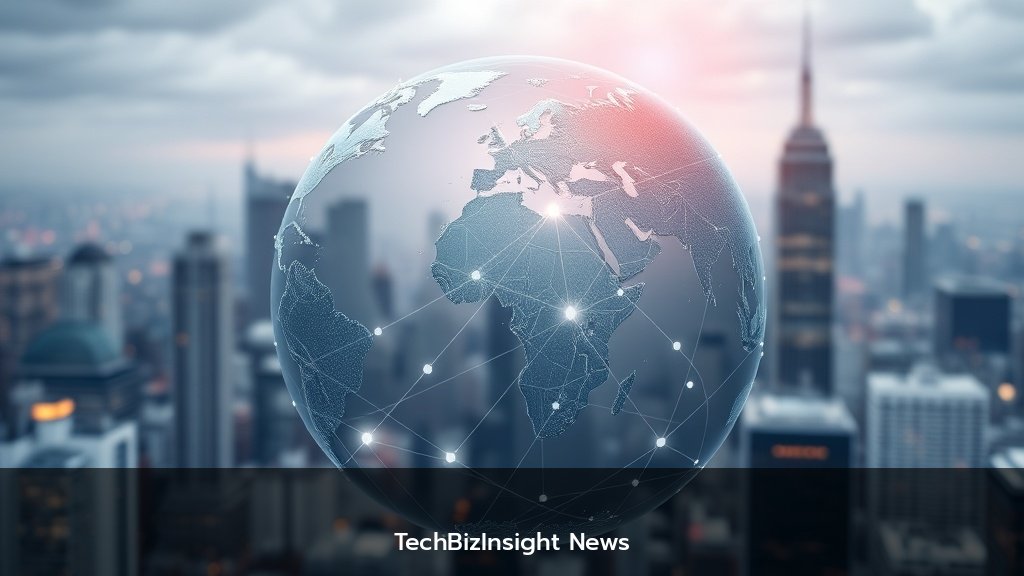
ในยุคที่ความปั่นป่วนทางภูมิรัฐศาสตร์กลายเป็นปัจจัยเสี่ยงหลักสำหรับนักลงทุนทั่วโลก แต่กลับมีบริษัทร่วมทุนแห่งหนึ่งอย่าง Kompas VC ที่มองเห็นโอกาสท่ามกลางวิกฤต บทความนี้จะพาคุณไปวิเคราะห์เจาะลึกถึงกลยุทธ์การลงทุนใน “โลกที่แตกกระจาย” ซึ่งกำลังพลิกโฉมโฉมหน้าของวงการ Venture Capital ตั้งแต่การเลือกเป้าหมายที่เน้นธุรกิจเกี่ยวกับโลกกายภาพ (Physical World) ไปจนถึงการปรับพอร์ตโฟลิโอให้สอดคล้องกับห่วงโซ่อุปทานที่เปลี่ยนไป ค้นพบว่าเทคโนโลยีและซอฟต์แวร์กลายเป็นอาวุธสำคัญในการสร้างความได้เปรียบทางการแข่งขันอย่างไรในยุคที่ความขัดแย้งเป็นเรื่องปกติ
Deep Dive: เมื่อ “โลกแตกสลาย” สร้างโอกาสให้ VC
การลงทุนในยุคที่โลกมีความขัดแย้งทางภูมิรัฐศาสตร์สูงขึ้น เรียกร้องให้กองทุน VC ต้องปรับเปลี่ยนกลยุทธ์อย่างสิ้นเชิง เราเห็นได้ว่า Kompas VC ไม่ได้มองว่าความเสี่ยงนี้เป็นอุปสรรค แต่กลับเป็นโอกาสในการสร้างความแตกต่าง โดยเฉพาะในกลุ่มสตาร์ทอัพที่ทำงานเกี่ยวข้องกับโลกกายภาพ (Physical Startups) ซึ่งรวมถึง:
- การลงทุนแบบเฉพาะเจาะจง: Kompas VC มุ่งเน้นหาสตาร์ทอัพที่ตอบโจทย์ปัญหาในโลกจริง เช่น ระบบโลจิสติกส์ซัพพลายเชนที่ยืดหยุ่น เทคโนโลยีการผลิตขั้นสูง และการบริหารจัดการทรัพยากรพลังงาน
- ผลกระทบทางธุรกิจ: การที่โลกแตกสลายทำให้บริษัทขนาดใหญ่ต้องการเทคโนโลยีที่ช่วยลดการพึ่งพาตลาดเดียว และเพิ่มความยืดหยุ่น ซึ่งเป็นช่องว่างที่สตาร์ทอัพเหล่านี้สามารถเข้าไปเติมเต็มได้
- มุมมองทางเทคโนโลยี: ซอฟต์แวร์ไม่ได้เป็นเพียงเครื่องมือดิจิทัลอีกต่อไป แต่กลายเป็นโครงสร้างพื้นฐานที่เชื่อมต่อโลกกายภาพกับดาต้า ทำให้การตัดสินใจเชิงกลยุทธ์แม่นยำขึ้น เช่น การใช้ AI ในการพยากรณ์ความเสี่ยงทางห่วงโซ่อุปทาน
การปรับตัวครั้งนี้ไม่ใช่แค่การหา “Unicorn” ตัวใหม่ แต่เป็นการวางรากฐานสำหรับระบบเศรษฐกิจที่ทนทานต่อการเปลี่ยนแปลงของโลก ซึ่งถือเป็นแนวทางที่ชาญฉลาดสำหรับนักลงทุนยุคใหม่
Full Article: Navigating a Fragmented World through Venture Capital
The rise of geopolitical turmoil has fundamentally reshaped the landscape of venture capital. Unlike the past decade that favored hyper-growth software companies, the current era demands a more nuanced approach. Firms like Kompas VC are proving that volatility can be a catalyst for innovation by carving out a niche in startups focused on the physical world.
The Strategic Shift: Embracing the Physical World
The key insight from Kompas VC’s strategy lies in its focus on “physical startups.” These are companies that build tangible infrastructure, hardware, or software that directly interacts with real-world systems. This shift is driven by several factors:
- Resilient Supply Chains: In a fragmented world, dependencies on single-source suppliers (often across geopolitical lines) become dangerous. Startups that enable nearshoring, local manufacturing, or multi-sourcing logistics are seeing massive demand.
- Energy Independence: With global energy markets in flux, investments in smart grids, renewable energy optimization software, and battery storage technology are becoming critical.
- Automated Manufacturing: Traditional factories are being reinvented with IoT and AI. Startups that provide software for predictive maintenance or flexible robotic arms are essential for reducing labor and supply chain risks.
The Business Impact of Technology
From a technology perspective, the value of software today is measured by its ability to create stability amidst chaos. Kompas VC is specifically looking for:
- Data-Driven Decision Making: Software that analyzes geopolitical data to forecast supply chain disruptions.
- Cybersecurity for Critical Infrastructure: Protecting physical assets from digital threats is now a multi-billion dollar necessity.
- Platformization of Hardware: Turning a physical product (like a tractor or a factory) into a data-generating platform that can be monetized.
This investment philosophy represents a mature evolution of venture capital. Instead of chasing the next social media fad, Kompas VC is betting on the foundational tech that will make the global economy more durable.
FAQ
Q1: Why is Kompas VC focusing on the “physical world” instead of pure software?
A1: Because in a geopolitically fragmented world, the biggest risks and opportunities lie in physical infrastructure, supply chains, and manufacturing. Software alone cannot solve the problem of a blocked port or a sanctions-hit factory. By investing in startups that bridge the digital and physical realms, Kompas VC gains exposure to high-demand, defensible assets.
Q2: How does this strategy differ from traditional Venture Capital?
A2: Traditional VC often prioritizes “asset-light” software companies with high scalability and low capital expenditure. Kompas VC’s strategy is “asset-intensive,” backing companies that require significant capital for hardware, manufacturing, or logistics. This approach offers higher barriers to competition and direct correlation with macroeconomic trends, making it uniquely suited for a volatile era.
Reference/แหล่งอ้างอิง:
For further insights on geopolitical trends and venture capital, see the detailed analysis from PitchBook.