เปิดตัวภารกิจ Artemis II: สู่การเดินทางที่ไกลที่สุดของมนุษยชาติ
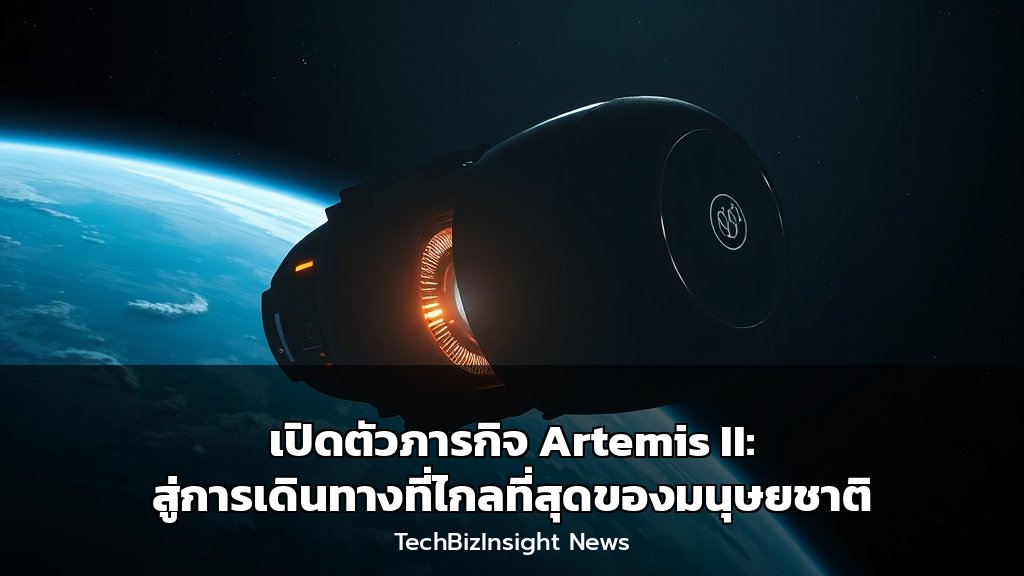
ภารกิจ Artemis II ได้ปิดฉากลงอย่างสมบูรณ์ด้วยความสำเร็จ เมื่อแคปซูล Orion ที่บรรทุกนักบินอวกาศ 4 คน นำโดยผู้บัญชาการ Reid Wiseman กลับสู่พื้นโลกอย่างปลอดภัยหลังจากการเดินทางในอวกาศเป็นเวลา 9 วัน ภารกิจนี้ไม่เพียงเป็นการทดสอบระบบก่อนจะส่งมนุษย์กลับสู่ดวงจันทร์เท่านั้น แต่ยังสร้างสถิติใหม่ด้วยการพามนุษย์เดินทางไปไกลจากโลกมากที่สุดเท่าที่เคยมีมา การลงจอดซึ่งถ่ายทอดสดผ่าน NASA TV เป็นความก้าวหน้าครั้งสำคัญของโครงการ Artemis ที่แสดงให้เห็นถึงศักยภาพของเทคโนโลยีและความร่วมมือระดับนานาชาติในการสำรวจอวกาศครั้งต่อไป
การกลับคืนสู่พื้นโลกของแคปซูล Orion ถือเป็นช่วงเวลาวิกฤตที่ต้องอาศัยความแม่นยำของเทคโนโลยีขั้นสูง วิศวกรรมซอฟต์แวร์ และการวิเคราะห์ข้อมูลแบบเรียลไทม์ ซึ่งมีบทบาทสำคัญต่อความสำเร็จทางธุรกิจและชื่อเสียงขององค์กรพันธมิตรทั้งหมดที่เกี่ยวข้อง
- วิศวกรรมซอฟต์แวร์สำหรับการควบคุมความร้อนขั้นสูง (Advanced Thermal Protection Software): ระบบป้องกันความร้อนของ Orion ถูกควบคุมโดยซอฟต์แวร์ที่ซับซ้อน ซึ่งต้องคำนวณและตอบสนองต่อสภาพแวดล้อมที่เปลี่ยนแปลงอย่างรวดเร็วระหว่างการกลับเข้าสู่ชั้นบรรยากาศด้วยความเร็วสูง การออกแบบและทดสอบซอฟต์แวร์นี้ต้องใช้การจำลองสถานการณ์ (Simulation) จำนวนมาก ซึ่งเป็นบริการทางเทคโนโลยีที่มีมูลค่าสูงและขับเคลื่อนอุตสาหกรรมด้านการพัฒนาซอฟต์แวร์วิศวกรรมเฉพาะทาง
- ระบบนำทางและควบคุมอัตโนมัติ (Autonomous Guidance and Control): ในช่วงวิกฤตของการลงจอด แคปซูลต้องพึ่งพาระบบนำทางอัตโนมัติที่ขับเคลื่อนด้วยอัลกอริทึมและเซ็นเซอร์จำนวนมาก ความแม่นยำของซอฟต์แวร์เหล่านี้ไม่เพียงรับประกันความปลอดภัยของลูกเรือ แต่ยังพิสูจน์ความน่าเชื่อถือของเทคโนโลยีซึ่งสามารถนำไปปรับใช้ในภาคธุรกิจอื่นๆ เช่น การขนส่งอัตโนมัติและโลจิสติกส์อันชาญฉลาด
- การจัดการข้อมูลและการสื่อสารแบบเรียลไทม์ (Real-time Data Telemetry and Communication): ข้อมูลทุกมิลลิวินาทีระหว่างการลงจอดถูกส่งกลับมายังศูนย์ควบคุมบนโลก การประมวลผลข้อมูลขนาดใหญ่ (Big Data) แบบทันทีนี้จำเป็นสำหรับการตัดสินใจ และแสดงให้เห็นถึงโครงสร้างพื้นฐานด้านไอทีและเครือข่ายการสื่อสารที่ทรงพลัง ซึ่งเป็นรากฐานสำคัญสำหรับธุรกิจในยุคดิจิทัลที่ต้องการการวิเคราะห์ข้อมูลแบบทันที
- ความร่วมมือระดับโลกและห่วงโซ่อุปทานทางเทคโนโลยี (Global Collaboration and Tech Supply Chain): ความสำเร็จของ Artemis II เกิดจากความร่วมมือของ NASA, ESA (ยุโรป), CSA (แคนาดา) และบริษัทเอกชนหลายพันแห่ง โครงการขนาดใหญ่เช่นนี้กระตุ้นนวัตกรรมและสร้างมาตรฐานใหม่ให้กับอุตสาหกรรมซัพพลายเชนด้าน aerospace และซอฟต์แวร์ ซึ่งบริษัทเทคโนโลยีสามารถนำไปพัฒนาต่อยอดเพื่อสร้างรายได้
การลงจอดของ Artemis II เป็นมากกว่าความสำเร็จทางวิทยาศาสตร์ มันคือการแสดงศักยภาพของระบบซอฟต์แวร์ที่ซับซ้อนและความร่วมมือทางธุรกิจระดับโลก ที่พร้อมจะเปิดตลาดใหม่และสร้างโอกาสทางเศรษฐกิจจากเทคโนโลยีอวกาศ
The Orion capsule, carrying Artemis II commander Reid Wiseman, pilot Victor Glover, mission specialist Christina Koch, and Canadian Space Agency astronaut Jeremy Hansen, has successfully concluded its landmark nine-day mission with a safe splashdown in the Pacific Ocean. This critical flight, a precursor to returning humans to the Moon, set a new record by carrying a crew farther from Earth than any previous human spaceflight mission. The high-stakes return, broadcast live globally, marks a monumental step forward for NASA’s Artemis program, showcasing the pinnacle of international technological collaboration and engineering prowess for the next era of lunar exploration.
The return to Earth of the Orion capsule represented a climax of precision engineering, advanced software systems, and real-time data analytics, each component holding significant implications for the business ecosystems and partner reputations involved.
- Advanced Thermal Protection Software Engineering: Orion’s heat shield, the largest ever built, relied on sophisticated software to manage the extreme thermal loads during its high-speed re-entry at nearly 25,000 mph. The software controlling this system had to autonomously respond to dynamic plasma conditions. The development and rigorous testing of this software involved extensive computational simulations, a high-value technology service that drives a specialized niche within the engineering software industry.
- Autonomous Guidance, Navigation, and Control (GNC) Systems: During the blackout period of re-entry and the final descent under parachutes, Orion depended entirely on its autonomous GNC systems. These algorithms, processing data from a suite of sensors, ensured the capsule followed the precise trajectory for a safe splashdown. The reliability of this software is a testament to technologies with direct commercial parallels in autonomous terrestrial vehicles and advanced industrial automation, sectors with immense economic potential.
- Real-time Data Telemetry and Communication Infrastructure: Every millisecond of data from the capsule’s systems was streamed to mission control via a global network. Managing this real-time big data stream required robust IT infrastructure and flawless communication software. This capability underscores the business-critical need for reliable, high-bandwidth data management solutions in sectors like finance, logistics, and global telecommunications.
- Global Collaboration and the Technology Supply Chain: The Artemis II mission’s success was powered by an international consortium led by NASA, with key contributions from the European Space Agency (ESA), the Canadian Space Agency (CSA), and hundreds of private contractors. This model of global partnership stimulates innovation across the entire aerospace and software technology supply chain, setting new industry standards and creating commercial opportunities for companies that can meet the extreme requirements of spaceflight.
The splashdown of Artemis II is not just a scientific and exploratory achievement; it is a powerful demonstration of integrated, mission-critical software systems and global business partnership. It validates technologies that will spawn new markets and drives economic growth in the burgeoning space technology sector, proving that investments in deep-space exploration yield tangible advancements for Earth-based industries.
FAQ
* Artemis II แตกต่างจาก Artemis I อย่างไร?
Artemis I เป็นภารกิจที่ไม่มีนักบินอวกาศ เพื่อทดสอบระบบของจรวด SLS และแคปซูล Orion ในสภาพแวดล้อมจริง ส่วน Artemis II เป็นภารกิจแรกที่ส่งนักบินอวกาศขึ้นไปด้วย โดยจะบินวนรอบดวงจันทร์และกลับสู่โลก เพื่อทดสอบระบบสนับสนุนชีวิตและประเมินประสิทธิภาพสำหรับมนุษย์ก่อนภารกิจลงจอดบนดวงจันทร์ใน Artemis III
- ทำไมการกลับเข้าสู่ชั้นบรรยากาศของ Orion ถึงมีความเสี่ยงสูง?
แคปซูล Orion กลับเข้าสู่ชั้นบรรยากาศโลกด้วยความเร็วประมาณ 40,000 กิโลเมตรต่อชั่วโมง ซึ่งสร้างความร้อนสูงสุดกว่า 2,700 องศาเซลเซียสที่เกราะป้องกันความร้อน การออกแบบทางวิศวกรรมและซอฟต์แวร์ควบคุมต้องทำงานอย่างสมบูรณ์เพื่อปกป้องนักบินอวกาศและยานจากสภาพแวดล้อมสุดขั้วนี้
For detailed mission parameters and official updates, refer to the NASA Artemis Blog.