FCC เปิดทาง Netgear นำเข้าเร้าเตอร์-โมเด็มจากเวียดนามต่อจนถึงปี 2570
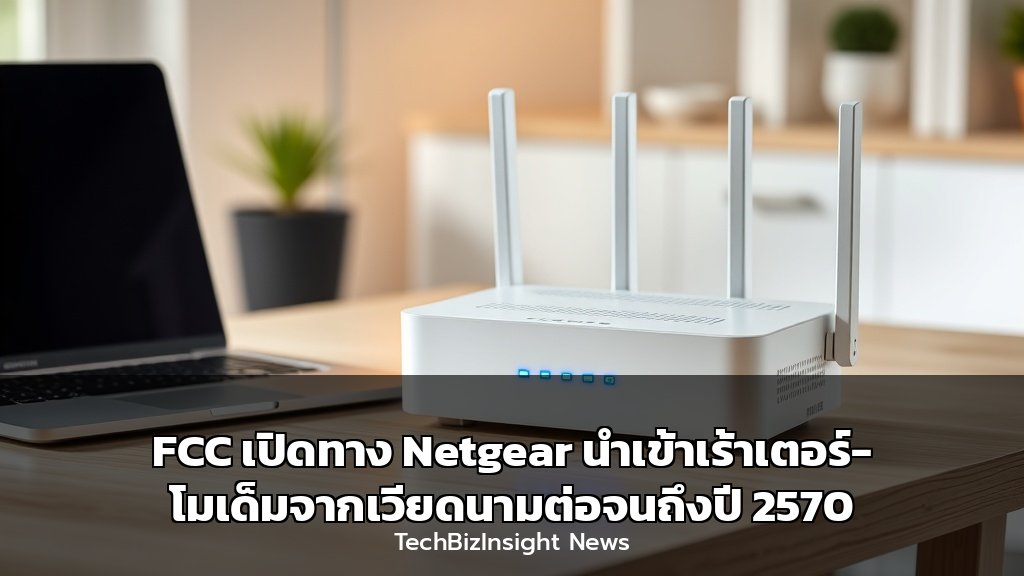
หน่วยงานกำกับดูแลสื่อสหรัฐฯ (FCC) ได้ตัดสินใจครั้งสำคัญโดยให้การอนุมัติแบบมีเงื่อนไขแก่ Netgear ให้สามารถนำเข้าเร้าเตอร์ โมเด็ม และเกตเวย์สำหรับผู้บริโภคเข้าสู่ตลาดสหรัฐฯ ได้จนถึงวันที่ 1 ตุลาคม 2570 การตัดสินใจนี้เกิดขึ้นแม้ว่าบริษัทจะยังคงผลิตอุปกรณ์เหล่านี้ในประเทศเวียดนาม ซึ่งอยู่ภายใต้ข้อห้ามนำเข้าอุปกรณ์จากบริษัทที่ถือว่าเป็น “ความเสี่ยงต่อความมั่นคง” ของสหรัฐฯ มาโดยตลอด การเคลื่อนไหวนี้สะท้อนถึงความซับซ้อนของห่วงโซ่อุปทานโลกและความพยายามในการสร้างสมดุลระหว่างนโยบายความมั่นคงกับความต้องการทางธุรกิจและผู้บริโภค
การอนุมัติของ FCC ในครั้งนี้ไม่เพียงแต่ช่วยให้ Netgear รอดพ้นจากผลกระทบทางธุรกิจครั้งใหญ่ แต่ยังเปิดประเด็นวิเคราะห์เชิงลึกเกี่ยวกับภูมิทัศน์ทางเทคโนโลยีและความมั่นคงในยุคดิจิทัล
- ความยืดหยุ่นของกฎระเบียบในโลกแห่งความจริง: การตัดสินใจของ FCC แสดงให้เห็นว่ากฎระเบียบที่เข้มงวดอาจต้องปรับตัวเมื่อเผชิญกับความเป็นจริงของห่วงโซ่อุปทานระดับโลกที่ซับซ้อน การแยกบริษัทเทคโนโลยีสัญชาติอเมริกันอย่าง Netgear ออกมาอาจพิจารณาจากปัจจัยเช่น การควบคุมของบริษัท โครงสร้างการบริหารจัดการ และความโปร่งใส มากกว่าที่จะดูเพียงแค่พิกัดทางภูมิศาสตร์ของการผลิต
- ผลกระทบต่อตลาดและนวัตกรรม: การห้ามนำเข้าอย่างสิ้นเชิงอาจสร้างความเสียหายต่อการแข่งขันในตลาด ส่งผลให้ผู้บริโภคมีตัวเลือกลดลงและราคาสูงขึ้น การอนุญาตแบบมีเงื่อนไขช่วยรักษาสมดุล โดยยังคงให้อำนาจกำกับดูแลกับ FCC ในขณะเดียวกันก็ปกป้องระบบนิเวศนวัตกรรมและป้องกันไม่ให้ช่องว่างในตลาดถูกเติมโดยผู้เล่นรายอื่นที่ไม่เป็นไปตามมาตรฐานที่ต้องการ
- กลยุทธ์การจัดการความเสี่ยงขององค์กร: กรณีของ Netgear เน้นย้ำถึงความสำคัญอย่างยิ่งของกลยุทธ์การจัดการความเสี่ยงด้านห่วงโซ่อุปทานสำหรับบริษัทเทคโนโลยี การกระจายฐานการผลิต การมีแผนสำรอง และการมีส่วนร่วมเชิงรุกกับหน่วยงานกำกับดูแลกลายเป็นความสามารถหลักที่ขาดไม่ได้ในการดำเนินธุรกิจข้ามชาติในสภาพแวดล้อมทางภูมิรัฐศาสตร์ที่เปลี่ยนแปลงไป
FAQ
- Netgear ได้รับการยกเว้นจากกฎหมายห้ามนำเข้าอย่างถาวรหรือไม่?
ไม่ การอนุมัตินี้เป็นแบบ “มีเงื่อนไข” และมีผลจนถึงวันที่ 1 ตุลาคม 2570 เท่านั้น Netgear ยังต้องปฏิบัติตามข้อกำหนดที่ FCC กำหนด และสถานะของบริษัทอาจถูกทบทวนอีกครั้งก่อนวันที่กำหนดสิ้นสุด - การตัดสินใจนี้ส่งสัญญาณถึงการผ่อนคลายนโยบายต่ออุปกรณ์จากเวียดนามหรือไม่?
ไม่จำเป็นต้องหมายความเช่นนั้น การตัดสินใจนี้ดูเหมือนจะประเมินจากบริษัทเป็นรายกรณีมากกว่า การอนุมัติให้ Netgear ซึ่งเป็นบริษัทสัญชาติอเมริกันที่มีประวัติยาวนาน ไม่ได้หมายความว่าอุปกรณ์จากผู้ผลิตอื่นในเวียดนามจะได้รับการปฏิบัติแบบเดียวกันโดยอัตโนมัติ
The FCC’s Conditional Reprieve for Netgear: Balancing Security, Supply Chains, and Market Realities
The U.S. Federal Communications Commission (FCC) has made a significant regulatory decision, granting Netgear conditional approval to import its future consumer routers, cable modems, and gateways into the United States until October 1, 2027. This ruling comes despite the company manufacturing these devices in Vietnam, a country whose communications equipment has been under scrutiny due to U.S. concerns over national security risks from certain foreign-made technology. This move highlights the intricate dance between stringent security policies and the practical realities of global supply chains, consumer electronics markets, and business continuity for a major American tech brand.
A Deep Dive: The Business and Technology Implications
The FCC’s action is more than a simple waiver; it’s a case study in modern regulatory adaptation and risk management in the tech sector.
1. Regulatory Pragmatism in a Globalized World
The blanket ban on equipment from certain jurisdictions, while rooted in security concerns, often clashes with the complex, interwoven nature of global electronics manufacturing. Netgear’s approval suggests a shift towards a more nuanced, company-specific risk assessment. Regulators may now be weighing factors such as corporate ownership, governance structures, transparency, and the company’s ability to comply with security protocols, rather than applying a broad geographic ban. This conditional model allows for continued oversight while acknowledging that not all companies operating within a designated country pose an equal threat.
2. Market Dynamics and Innovation Preservation
An outright ban on a major player like Netgear would have significant repercussions for market competition and consumer choice. It could lead to reduced options, potentially higher prices, and stifle innovation in the consumer networking space. By granting this temporary approval, the FCC is effectively preventing a market gap that might be filled by other, less scrutinized entities. It maintains a competitive landscape, which is crucial for driving technological advancements like Wi-Fi 7, improved mesh systems, and enhanced network security features for end-users.
3. Corporate Supply Chain Risk Strategy
This episode underscores the critical importance of proactive supply chain and regulatory risk management for multinational tech firms. Companies must now navigate not just logistical and cost considerations, but also geopolitical ones. Strategies such as supply chain diversification, maintaining alternative manufacturing plans, and engaging in transparent dialogue with government agencies become essential competencies. Netgear’s situation serves as a benchmark for how companies can work within—and potentially influence—regulatory frameworks to ensure business continuity.
For further context on the evolving regulatory landscape surrounding network equipment, you can refer to coverage from The Verge.
“`json
“`