พัดลมไฮเทค 2026: ไม่ใช่แค่เป่า แต่ฉีดน้ำ ไล่ตามคุณได้
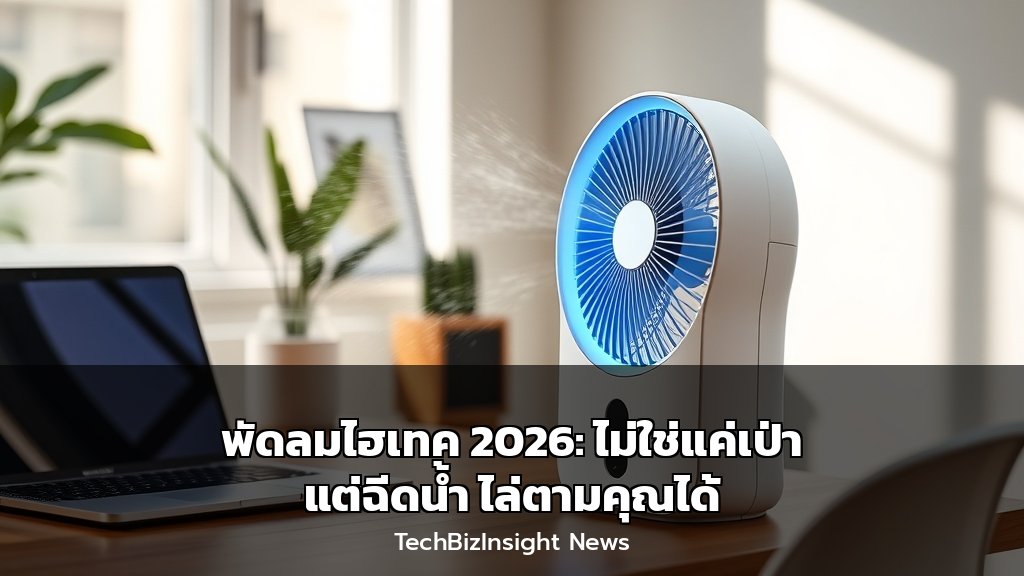
พัดลมรุ่นเก่าที่ส่งเสียงดังเอี้ยดอ๊าดกำลังจะกลายเป็นของตกยุค! ตลาดพัดลมในปีนี้กำลังพาเราเข้าสู่ยุคใหม่ด้วยนวัตกรรมที่เกินกว่าการเป่าลมธรรมดา แบรนด์ชั้นนำต่างแข่งขันกันนำเสนอฟังก์ชันสุดล้ำ เช่น การพ่นละอองน้ำให้ความชุ่มชื้น ไฟ LED สร้างบรรยากาศ และแม้แต่เซ็นเซอร์ตรวจจับการเคลื่อนไหวเพื่อให้พัดลมหมุนตามคุณไปทั่วห้อง เทคโนโลยีเหล่านี้ไม่เพียงเพิ่มความสะดวกสบาย แต่ยังเปิดมิติใหม่ของการใช้ชีวิตในบ้านและที่ทำงานให้สมาร์ทและมีประสิทธิภาพยิ่งขึ้น
การวิเคราะห์เชิงลึก: การเปลี่ยนแปลงของตลาดพัดลมสะท้อนถึงเทรนด์ใหญ่ทางธุรกิจที่ขับเคลื่อนโดยซอฟต์แวร์และเทคโนโลยี IoT (Internet of Things) พัดลมรุ่นใหม่ไม่ได้ขายแค่ “มอเตอร์และใบพัด” อีกต่อไป แต่ขาย “ประสบการณ์และระบบนิเวศ” ภายในบ้าน
- จากสินค้าคงที่สู่บริการที่เชื่อมต่อ: พัดลมสมาร์ทส่วนใหญ่มาพร้อมแอปพลิเคชันบนมือถือ ช่วยให้ผู้ใช้ควบคุมและตั้งเวลาได้จากระยะไกล ข้อมูลการใช้งาน (Usage Data) ที่เก็บได้กลายเป็นข้อมูลเชิงลึกอันมีค่าสำหรับบริษัท ในการพัฒนาผลิตภัณฑ์รุ่นต่อไปหรือเสนอบริการเสริม
- การเพิ่มมูลค่าด้วยซอฟต์แวร์: ฟีเจอร์เช่น “โหมดนอนหลับอัตโนมัติ” หรือ “การไล่ตามด้วยเซ็นเซอร์” ล้วนทำงานบนพื้นฐานของอัลกอริทึมและซอฟต์แวร์ นี่คือการย้ายมูลค่าจากฮาร์ดแวร์ไปสู่ซอฟต์แวร์ ซึ่งให้อัตรากำไรที่สูงกว่าและสร้างความแตกต่างที่แข่งขันได้ยาก
- การบูรณาการเข้ากับ Smart Home Ecosystem: พัดลมรุ่นใหม่ถูกออกแบบมาให้ทำงานร่วมกับอุปกรณ์สมาร์ทโฮมอื่นๆ เช่น สั่งงานผ่านเสียงด้วย Google Assistant หรือ Amazon Alexa การได้เป็นส่วนหนึ่งของระบบนิเวศนี้จะเพิ่มการยึดเกาะลูกค้า (Customer Stickiness) และปิดกั้นคู่แข่งที่ไม่มีคุณสมบัติเชื่อมต่อนี้
- กลยุทธ์ราคาแบบ Premiumization: เทคโนโลยีเพิ่มเติมเหล่านี้ทำให้บริษัทสามารถตั้งราคาพรีเมียมได้ สร้างตลาดใหม่ (New Market Segment) สำหรับผู้บริโภคที่มองหาความสะดวกสบายสุดๆ และยินดีจ่ายเพิ่ม ซึ่งเป็นกลยุทธ์ทางธุรกิจที่สำคัญในการรักษาอัตรากำไรในตลาดสินค้าคงทนที่โตช้า
การลงทุนในพัดลมรุ่นใหม่จึงไม่ใช่แค่การซื้อเครื่องใช้ไฟฟ้า แต่เป็นการอัพเกรดโครงสร้างพื้นฐานภายในบ้านให้พร้อมรับกับยุคดิจิทัล ซึ่งส่งผลโดยตรงต่อคุณภาพชีวิตและประสิทธิภาพการใช้พลังงาน ตามรายงานจาก CNET ซึ่งเป็นแหล่งข้อมูลด้านเทคโนโลยีที่น่าเชื่อถือ ได้เคยทดสอบและรีวิวแนวโน้มของพัดลมสมาร์ทไว้หลายรุ่น
The era of the noisy, clunky box fan is officially over. The fan market is undergoing a radical transformation, driven by software innovation and IoT integration. Today’s best fans are no longer simple appliances; they are intelligent, connected devices designed to enhance personal comfort and integrate seamlessly into the modern smart home. From misting capabilities and mood lighting to AI-powered motion tracking, these advancements represent a significant shift in how companies create value and compete in a mature consumer electronics category.
Deep Dive Analysis: The Business of Breezes
The evolution of the humble fan into a smart device is a textbook case of how software and connectivity are reshaping traditional hardware businesses. The core value proposition has shifted from moving air to delivering a personalized, data-driven experience.
- From Product to Connected Service: Modern smart fans are typically controlled via dedicated smartphone apps. This connectivity allows for remote operation, scheduling, and customization. More importantly, it enables companies to collect valuable usage data. This data provides insights into consumer behavior, informing future product development, predictive maintenance alerts, and potential subscription-based services for filters or air quality monitoring.
- Value Migration to Software: Key selling features like “auto-sleep mode,” “natural wind simulation,” and “person-following technology” are all software-defined. The intelligence lies in the algorithms, not just the motor. This represents a strategic move for manufacturers—margins on software and services are often significantly higher and more sustainable than those on hardware alone, creating a more defensible competitive moat.
- Integration into the Smart Home Ecosystem: Success in the current market is increasingly tied to compatibility. Leading fans are designed to work with major platforms like Amazon Alexa, Google Assistant, and Apple HomeKit. Being part of this ecosystem increases customer stickiness; once a user integrates a fan into their automated routines, switching brands becomes more inconvenient. It locks customers into a specific brand’s ecosystem.
- Premiumization and Market Segmentation: Advanced features allow companies to target new, higher-margin market segments. They are no longer competing solely on price and CFM (cubic feet per minute). Instead, they can market to tech-savvy consumers and wellness-focused individuals who are willing to pay a premium for enhanced comfort, convenience, and aesthetic design. This strategy helps maintain profitability in a otherwise slow-growth, saturated market.
Investing in a next-generation fan is, therefore, an investment in upgrading your home’s digital infrastructure. It offers tangible benefits in energy efficiency, personalized comfort, and seamless automation, reflecting the broader trend of digital transformation in everyday objects.
FAQ
Q: Are smart fans worth the higher price compared to traditional fans?
A: It depends on your priorities. If you value basic airflow at the lowest cost, a traditional fan is sufficient. However, if you seek features like remote/app control, quiet operation, scheduling, integration with other smart home devices, and advanced functions like air purification or misting, a smart fan provides significant added value and convenience that can justify the investment.
Q: Do smart fans consume a lot of electricity?
A: Generally, the core fan motor in a smart model is similar in efficiency to a good traditional fan. The additional power for the Wi-Fi/Bluetooth module and sensors is minimal. In fact, smart fans can lead to net energy savings through precise scheduling (e.g., turning off when you leave home) and optimized speed settings, preventing unnecessary usage.