วิกฤตขาดแคลน RAM ยังไม่จบ! ผู้ผลิตเตือนอาจยืดเยื้อถึงปี 2030
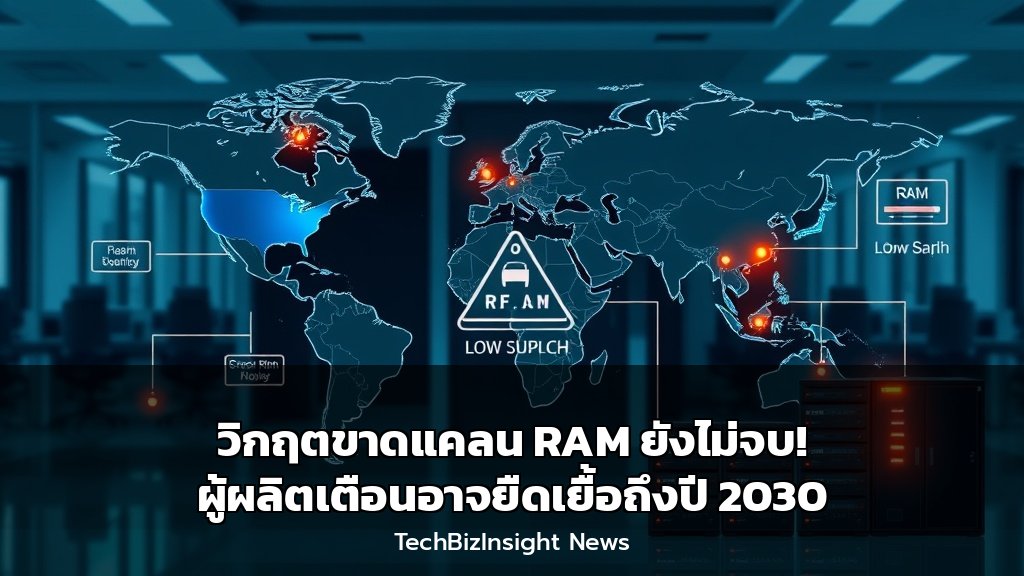
วงการเทคโนโลยีทั่วโลกกำลังเผชิญกับความท้าทายครั้งใหญ่จากปัญหาการขาดแคลนหน่วยความจำหรือ RAM ที่คาดการณ์ว่าจะยืดเยื้อไปอีกหลายปี แม้ผู้ผลิตชั้นนำจะเร่งเพิ่มกำลังการผลิต แต่รายงานจาก Nikkei Asia ชี้ว่าความต้องการที่พุ่งสูงจากหลายภาคส่วน ทั้ง AI, คลาวด์คอมพิวติ้ง และอุตสาหกรรมยานยนต์ไฟฟ้า ยังคงแซงหน้าอุปทานได้อย่างต่อเนื่อง สถานการณ์นี้ไม่เพียงส่งผลต่อราคาอุปกรณ์ไอทีแต่ยังกระทบต่อความเร็วในการพัฒนานวัตกรรมดิจิทัลของธุรกิจต่างๆ ทั่วโลก
การวิเคราะห์เชิงลึกชี้ให้เห็นว่าวิกฤตการขาดแคลน DRAM ในปัจจุบันเป็นมากกว่าแค่ปัญหาห่วงโซ่อุปทานชั่วคราว แต่สะท้อนถึงการเปลี่ยนแปลงเชิงโครงสร้างของตลาดเทคโนโลยีโลก ความต้องการที่ขยายตัวอย่างก้าวกระโดดจากเทคโนโลยีหลักสามเส้าคือ ปัญญาประดิษฐ์ (AI), การประมวลผลแบบคลาวด์ และยานพาหนะไฟฟ้า (EV) ได้สร้างแรงกดดันต่อระบบการผลิตแบบดั้งเดิม ผู้ผลิตรายใหญ่เช่น Samsung, SK Hynix และ Micron ต่างเร่งลงทุนในกระบวนการผลิตขั้นสูง (เช่น EUV lithography) และเปลี่ยนสายการผลิตไปสู่ DRAM ประเภทที่ให้ผลตอบแทนสูงกว่า เช่น HBM (High Bandwidth Memory) สำหรับเซิร์ฟเวอร์ AI ซึ่งส่งผลให้อุปทานสำหรับตลาดทั่วไปอย่าง DDR4/DDR5 สำหรับพีซีและสมาร์ทโฟนตึงตัวขึ้น
ผลกระทบทางธุรกิจจากวิกฤตครั้งนี้มีนัยสำคัญอย่างยิ่ง:
* ต้นทุนการดำเนินงานที่เพิ่มขึ้น: ธุรกิจที่ต้องขยายศูนย์ข้อมูลหรืออัปเกรดระบบไอทีจะเผชิญกับราคาเซิร์ฟเวอร์และส่วนประกอบที่สูงขึ้น รวมถึงระยะเวลาจัดส่งที่ยาวนานออกไป ส่งผลกระทบต่อแผนการลงทุนและงบประมาณด้านดิจิทัล
* ความล่าช้าในการนำนวัตกรรมสู่ตลาด: สตาร์ทอัพและบริษัทที่พัฒนาผลิตภัณฑ์ใหม่ที่ต้องพึ่งพาชิปและหน่วยความจำประสิทธิภาพสูง อาจประสบกับความล่าช้าในการผลิตและออกสินค้า ทำให้เสียโอกาสทางการแข่งขัน
* การปรับกลยุทธ์ด้านซัพพลายเชน: บริษัทเทคโนโลยีขนาดใหญ่จะให้ความสำคัญกับการจัดหาวัตถุดิบระยะยาว (Long-term Supply Agreements) มากขึ้น และอาจพิจารณาลงทุนในความร่วมมือหรือแม้แต่การผลิตหน่วยความจำในแนวตั้ง (Vertical Integration) เพื่อสร้างความมั่นคงให้กับห่วงโซ่อุปทานของตนเอง
* โอกาสสำหรับผู้เล่นรายใหม่และเทคโนโลยีทางเลือก: ภาวะขาดแคลนเปิดโอกาสให้กับผู้ผลิตหน่วยความจำระดับสอง (Tier-2) และกระตุ้นการวิจัยและพัฒนาในสถาปัตยกรรมหน่วยความจำรูปแบบใหม่ (เช่น CXL, Memory-Centric Computing) ที่อาจลดการพึ่งพา DRAM แบบดั้งเดิมในระยะยาว
การฟื้นตัวของอุปทานคาดว่าจะใช้เวลานาน เนื่องจากกระบวนการสร้างโรงงานผลิตเซมิคอนดักเตอร์ใหม่ (Fab) ต้องใช้เวลาหลายปีและเงินลงทุนมหาศาล คำเตือนจากประธาน SK Group ถึงปี 2030 จึงไม่ใช่การกล่าวเกินจริง แต่เป็นการตอกย้ำให้ภาคธุรกิจตระหนักถึงความจำเป็นในการวางแผนกลยุทธ์ด้านเทคโนโลยีและซัพพลายเชนด้วยมุมมองระยะยาว การปรับตัวต่อสภาพตลาดที่ขาดแคลนนี้จะกลายเป็นความได้เปรียบทางการแข่งขันที่สำคัญสำหรับองค์กรใดก็ตามที่ต้องการเติบโตในยุคดิจิทัล
The global tech industry is facing a significant challenge from a persistent RAM shortage that is projected to last for several more years. While leading manufacturers are ramping up production, a report from Nikkei Asia indicates that soaring demand from multiple sectors—including AI, cloud computing, and the electric vehicle industry—continues to outpace supply. This situation impacts not only the pricing of IT equipment but also the pace of digital innovation for businesses worldwide.
In-Depth Analysis: A Structural Shift, Not a Temporary Blip
The current DRAM shortage crisis reflects a fundamental structural shift in the global technology market, far beyond a temporary supply chain hiccup. Explosive demand from three core technological pillars—Artificial Intelligence (AI), Cloud Computing, and Electric Vehicles (EVs)—has placed unprecedented pressure on traditional manufacturing cycles. Major producers like Samsung, SK Hynix, and Micron are accelerating investments in advanced manufacturing processes (e.g., EUV lithography) and shifting production lines toward higher-margin DRAM types, such as High Bandwidth Memory (HBM) for AI servers. This pivot naturally constricts the supply of mainstream DDR4/DDR5 memory for PCs and smartphones, creating a tight market.
Business Implications and Strategic Considerations
The business impact of this prolonged shortage is profound and multifaceted:
- Increased Operational Costs: Businesses planning data center expansion or IT system upgrades will face higher server and component costs, coupled with extended lead times. This directly affects digital transformation budgets and investment timelines.
- Delayed Time-to-Market for Innovations: Startups and companies developing new hardware-reliant products requiring high-performance chips and memory may experience production delays, potentially causing them to miss critical market windows and lose competitive edge.
- Supply Chain Strategy Overhaul: Large technology firms will place greater emphasis on securing long-term supply agreements (LTAs) and may even explore strategic partnerships or vertical integration initiatives to ensure supply chain resilience.
- Opportunities for New Players and Alternatives: The shortage creates openings for Tier-2 memory manufacturers and accelerates R&D into alternative memory architectures (e.g., Compute Express Link – CXL, memory-centric computing) that could reduce long-term reliance on traditional DRAM.
Recovery in supply will be a slow process, as building new semiconductor fabrication plants (fabs) requires multi-year timelines and colossal capital investment. The warning from the SK Group chairman about shortages lasting until 2030 underscores the need for businesses to adopt a long-term strategic view for their technology and supply chain planning. Adapting to this constrained market reality is becoming a key competitive differentiator for any organization aiming to thrive in the digital age.
For further context on the strategic moves by memory giants, see this report from Nikkei Asia.
FAQ
วิกฤต RAM ครั้งนี้กระทบผู้ใช้ทั่วไปอย่างไร?
ผู้ใช้ทั่วไปจะสังเกตได้จากราคาคอมพิวเตอร์ โน้ตบุ๊ก และสมาร์ทโฟนที่อาจสูงขึ้น หรือเห็นตัวเลือกรุ่นที่มี RAM น้อยกว่าปกติในระดับราคาเดิม นอกจากนี้ การอัปเกรด RAM แยกต่างหากอาจมีราคาแพงและหายากกว่าเดิม
ธุรกิจควรปรับตัวอย่างไรกับปัญหานี้?
ธุรกิจควรวางแผนจัดซื้อจัดหาอุปกรณ์ไอทีล่วงหน้าเป็นระยะเวลานายขึ้น พิจารณากลยุทธ์คลาวด์ที่ช่วยบริหารทรัพยากรได้มีประสิทธิภาพมากขึ้น และประเมินความจำเป็นในการอัปเกรดระบบโดยคำนึงถึงต้นทุนและระยะเวลาจัดหาอุปกรณ์ที่เปลี่ยนไป