เทย์เลอร์ สวิฟต์ เปิดศึกกฎหมายกับ AI ปลอมแปลงครั้งใหญ่
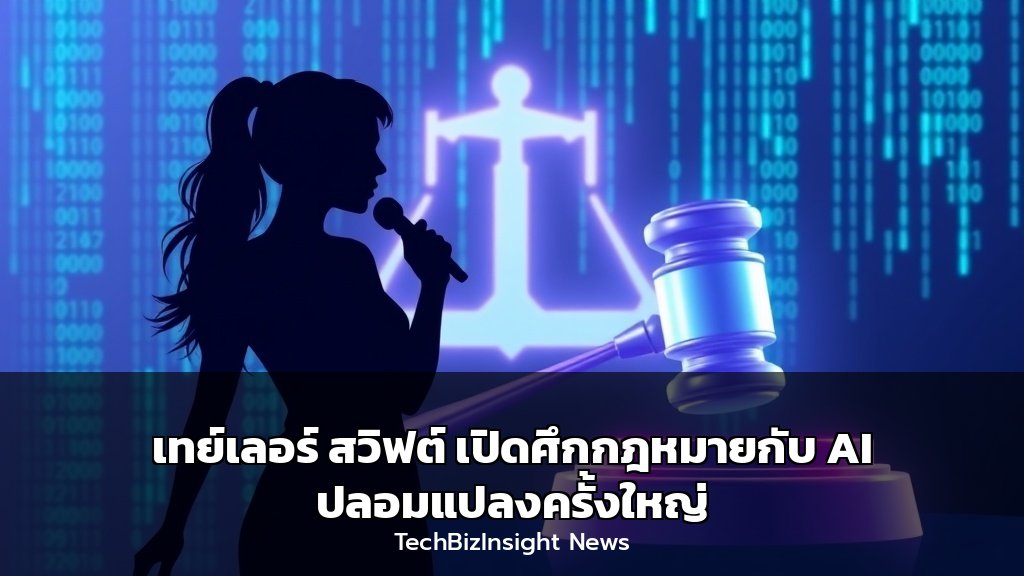
Taylor Swift is making headlines once again, but this time it’s not for a new album or a world tour. The global pop icon is stepping up her legal battle against AI-generated copycats, setting a precedent that could reshape how celebrities protect their identity in the digital age. From deepfake audio tracks mimicking her voice to AI-generated images of her likeness, Swift is taking a firm stand. But as with any clash between the law and cutting-edge technology, the path to victory is far from straightforward.
Swift’s legal strategy is both aggressive and forward-thinking, focusing on trademark law and intellectual property rights. She has filed new trademark applications to explicitly cover AI-generated imitations, aiming to shut down any unauthorized use of her name, image, or voice in synthetic media. This move is a direct response to the growing wave of AI-powered impersonation tools that have flooded the internet, creating everything from fake concert promos to deceptive endorsement ads.
From a business perspective, Swift’s actions are calculated. Her brand is worth billions, and AI-generated fakes threaten to dilute that value. The music industry is already seeing a surge in unauthorized AI covers and “ghost” tracks that confuse fans and steal revenue. By taking legal action, Swift isn’t just protecting her own image—she’s setting a precedent for the entire entertainment sector. If successful, this could force AI platforms and developers to implement stricter safeguards, potentially reshaping the software development and AI ethics landscape.
However, experts warn that the legal system is slow to adapt. Current trademark laws were not designed for generative AI. Swift will have to prove that these deepfakes cause “consumer confusion”—a high bar in court. Moreover, many AI generators argue they are protected under fair use, creating a complex legal gray area. This case could ultimately reach higher courts, influencing how all future AI-generated content is regulated globally.
Legal and Business Implications for the Tech Industry
– Trademark Law Enforcement: Swift’s filing aims to expand trademark protections to include digital replicas, forcing AI companies to rethink their training datasets and output filters.
– Economic Impact: AI fakes could cost the music industry billions in lost revenue; Swift’s legal action serves as a warning to tech firms enabling such abuse.
– Software Development: Expect a push for new AI auditing tools and content authentication software, creating a new niche market for tech startups.
– Precedent Setting: A win for Swift could lead to a wave of similar lawsuits from other A-list celebrities, fundamentally altering how AI platforms operate.
คำถามที่พบบ่อย (FAQ)
คำถามที่ 1: การฟ้องร้องของเทย์เลอร์ สวิฟต์จะส่งผลต่อบริษัทเทคโนโลยี AI อย่างไร?
หากเทย์เลอร์ สวิฟต์ชนะคดีนี้ จะเป็นการสร้างบรรทัดฐานทางกฎหมายที่สำคัญ บริษัทที่พัฒนาโมเดล AI จะต้องเพิ่มมาตรการตรวจสอบเนื้อหาและป้องกันการสร้างภาพ/เสียงเสมือนของบุคคลมีชื่อเสียงโดยไม่ได้รับอนุญาตอย่างเข้มงวดมากขึ้น รวมถึงอาจต้องเปลี่ยนแปลงวิธีการฝึกฝนโมเดล (Training Data) เพื่อหลีกเลี่ยงการละเมิดสิทธิ์ในอนาคต
คำถามที่ 2: ทำไมคดีนี้ถึงมีความซับซ้อนในเชิงเทคนิค?
คดีนี้มีความซับซ้อนเพราะกฎหมายลิขสิทธิ์และเครื่องหมายการค้าในปัจจุบันไม่ได้ถูกออกแบบมาเพื่อรับมือกับ Generative AI โดยตรง ประเด็นสำคัญคือการพิสูจน์ “ความสับสนของผู้บริโภค” (Consumer Confusion) ซึ่งเป็นเรื่องยากเมื่อเนื้อหาถูกสร้างขึ้นโดย AI ในขณะที่ฝ่ายผู้พัฒนา AI ก็มักอ้างว่าการสร้างเนื้อหาดังกล่าวเข้าข่ายการใช้งานโดยชอบธรรม (Fair Use) ทำให้เกิดช่องว่างทางกฎหมายที่ต้องตีความ
json

{

  "@context": "https://schema.org",

  "@type": "FAQPage",

  "mainEntity": [

    {

      "@type": "Question",

      "name": "How will Taylor Swift’s lawsuit affect AI technology companies?",

      "acceptedAnswer": {

        "@type": "Answer",

        "text": "If Taylor Swift wins this case, it will set a major legal precedent. AI development companies will need to implement stricter content filtering measures and prevent the unauthorized creation of digital replicas of public figures. They may also be forced to alter how they train their models to avoid future infringement claims."

      }

    },

    {

      "@type": "Question",

      "name": "Why is this case technically complex?",

      "acceptedAnswer": {

        "@type": "Answer",

        "text": "This case is complex because current copyright and trademark laws were not designed for Generative AI. The key issue is proving 'consumer confusion,' which is difficult when the content is AI-generated. Additionally, AI developers often argue that generating such content falls under 'fair use,' creating a legal gray area that requires judicial interpretation."

      }

    }

  ]

}
อ้างอิงข้อมูลจากรายงานของ NBC News