นักเดินทางตัวท็อป กระเป๋าอลูมิเนียม รีโมวา vs คาร์ล ฟรีดริค ใครคือผู้ชนะ?
ในโลกของการเดินทางที่เต็มไปด้วยดีไซน์และเทคโนโลยี กระเป๋าเดินทางอลูมิเนียมไม่ได้เป็นแค่เพียงอุปกรณ์พกพา แต่กลายเป็นสัญลักษณ์ของความหรูหราเงียบ (Quiet Luxury) และความทนทานที่เหนือชั้น แบรนด์ดังอย่าง Rimowa, Away, Carl Friedrik และ Level8 ต่างก็ชิงพื้นที่ในตลาดนี้ แต่ละแบรนด์มีจุดเด่นและข้อจำกัดที่แตกต่างกัน เราได้วิเคราะห์ข้อมูลจากแหล่งอ้างอิงชั้นนำอย่าง WIRED, Esquire และ Forbes เพื่อเจาะลึกถึงผลกระทบทางธุรกิจและเทคโนโลยีที่ซ่อนอยู่ในกระเป๋าเดินทางเหล่านี้
การเลือกกระเป๋าอลูมิเนียมไม่ใช่แค่เรื่องของความสวยงามอีกต่อไป มันคือการลงทุนทางเทคโนโลยีวัสดุและวิศวกรรมการผลิต กระเป๋าอลูมิเนียมมีน้ำหนักมากกว่ากระเป๋าพลาสติกโพลีคาร์บอเนตอย่างเห็นได้ชัด โดยน้ำหนักเฉลี่ยของกระเป๋า Carry-on อลูมิเนียมมาตรฐาน (ขนาด 22x14x9 นิ้ว) จะอยู่ระหว่าง 9 ถึง 11 ปอนด์ ในขณะที่กระเป๋าโพลีคาร์บอเนตอย่าง Samsonite C-Lite Spinner หนักเพียง 4.5 ปอนด์ และ Travelpro Maxlite Air V2 หนัก 6.4 ปอนด์เท่านั้น นี่คือข้อเสียเปรียบด้านน้ำหนักที่แบรนด์ต่างๆ ต้องพยายามเอาชนะด้วยวิศวกรรม
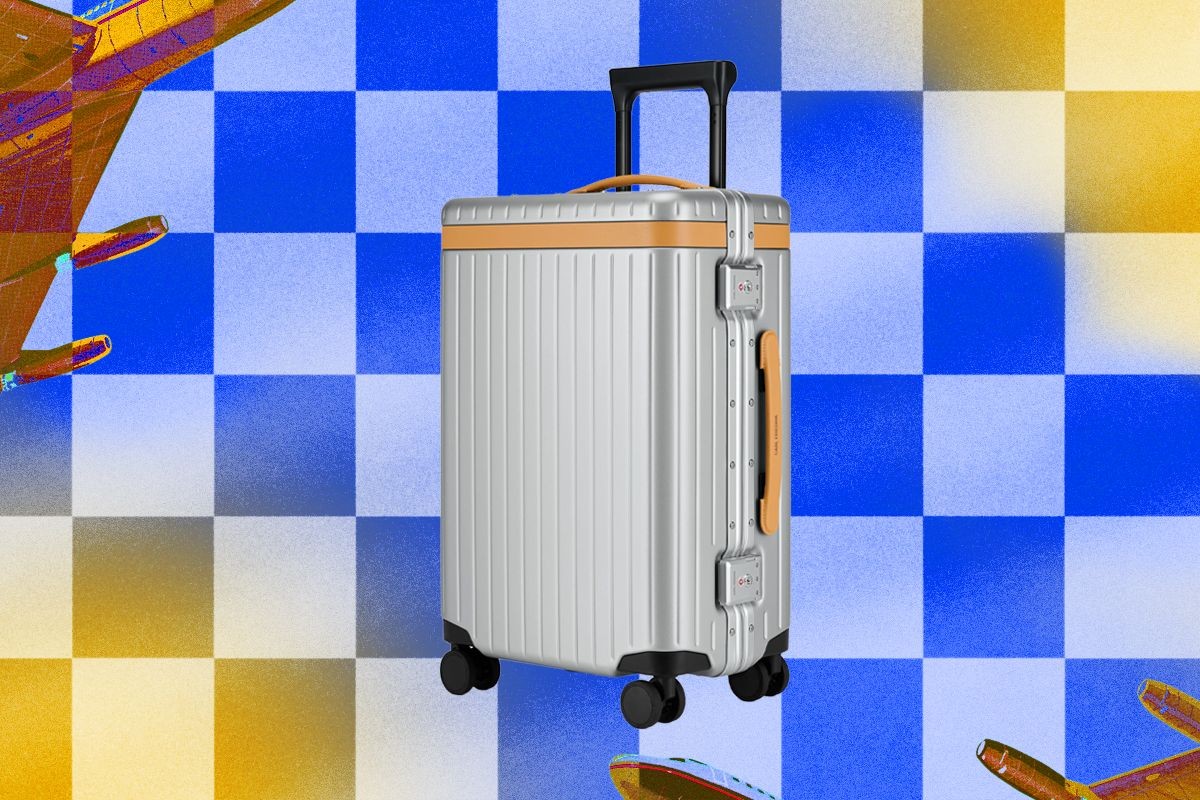
Rimowa ยังคงเป็นจ้าวแห่งอลูมิเนียม ด้วยประวัติศาสตร์ยาวนานกว่า 100 ปีจากเยอรมนี กระเป๋า Original Cabin ของ Rimowa หนัก 9.5 ปอนด์ (เบาที่สุดในกลุ่มอลูมิเนียมที่เราพบ) มีความจุ 35 ลิตร มาพร้อมกับอลูมิเนียม Anodized และล้อ 360 องศาบนลูกปืนที่ราบรื่นเป็นพิเศษ รวมถึง Lifetime Warranty ที่ครอบคลุมความเสียหายทุกชนิด นี่คือจุดแข็งทางธุรกิจ: การสร้างแบรนด์ที่แข็งแกร่งจนกระเป๋าเดินทางกลายเป็น “Calling Card” หรือสัญลักษณ์สถานะทางสังคม ตามที่ Forbes ระบุไว้
Carl Friedrik แบรนด์น้องใหม่จากลอนดอนที่ก่อตั้งโดยพี่น้องชาวสวีเดนในปี 2013 กำลังท้าชน Rimowa โดยตรง ด้วยดีไซน์ที่เรียบหรู เน้น “Quiet Luxury” ซึ่งถูกนำไปใช้ในซีรีส์ดังอย่าง Succession และ White Lotus กระเป๋ารุ่น Carry-On Aluminium ของ Carl Friedrik มีน้ำหนัก 10 ปอนด์ ความจุ 36 ลิตร และมีราคาที่ไม่แพงเกินเอื้อม แต่ยังคงความพรีเมี่ยมไว้ได้ นี่คือตัวอย่างของกลยุทธ์ Disruption ในตลาดหรู โดยใช้การเล่าเรื่องผ่านสื่อป็อปคัลเจอร์และดีไซน์ที่ทันสมัยเพื่อดึงดูดกลุ่มลูกค้าใหม่
Away แม้จะเริ่มทำไลน์อลูมิเนียม แต่ผู้เชี่ยวชาญจาก Esquire แนะนำให้ข้ามไปเลือก Carl Friedrik หรือ Rimowa แทน เพราะจุดแข็งของ Away อยู่ที่นวัตกรรมซิปขยายได้ (Flex Line) ที่ทำให้กระเป๋าโพลีคาร์บอเนตของพวกเขามีความยืดหยุ่นสูงกว่า ในขณะที่ Level8 นำเสนอตัวเลือกในราคากลางๆ ที่จับต้องได้
- น้ำหนัก vs ความทนทาน: อลูมิเนียมหนักกว่าแต่แข็งแรงกว่าและเป็นมิตรต่อสิ่งแวดล้อมในระยะยาว (Eco-friendly) เพราะสามารถใช้งานได้นานหลายสิบปี
- นวัตกรรมระบบปิด: Rimowa และ Carl Friedrik เลือกใช้ระบบล็อค TSA แบบ Combination Lock แทนซิป ซึ่งเพิ่มความปลอดภัยแต่ลดความยืดหยุ่นในการบรรจุ
- ผลกระทบทางธุรกิจ: การที่ Carl Friedrik แทรกตัวเข้ามาในตลาดนี้ แสดงให้เห็นว่าผู้บริโภคยุคใหม่พร้อมจ่ายเงินเพื่อ “Experience” และ “Identity” มากกว่าแค่การขนสัมภาระ
การแข่งขันครั้งนี้กำลังเปลี่ยนโฉมหน้าอุตสาหกรรมกระเป๋าเดินทาง จากเดิมที่ Rimowa เป็นผู้ผูกขาดตลาดอลูมิเนียมระดับพรีเมี่ยม ปัจจุบันคู่แข่งอย่าง Carl Friedrik กำลังใช้กลยุทธ์ “Affordable Luxury” เพื่อดึงส่วนแบ่งตลาด ขณะที่เทคโนโลยีการผลิตอลูมิเนียมก็พัฒนาให้เบาลงเรื่อยๆ เช่น Rimowa ที่ทำได้ 9.5 ปอนด์ ซึ่งใกล้เคียงกับกระเป๋าไนลอนของ Briggs & Riley ที่หนัก 9.7 ปอนด์แล้ว จุดเปลี่ยนสำคัญคือ การที่ผู้บริโภคเริ่มมองหากระเป๋าที่ไม่ใช่แค่ของใช้ แต่เป็น “Investment Piece” ที่อยู่กับพวกเขาไปตลอดชีวิต ซึ่งสอดคล้องกับนโยบาย Lifetime Guarantee ของ Rimowa และความทนทานของอลูมิเนียมที่เหนือกว่าโพลีคาร์บอเนต
FAQ (คำถามที่พบบ่อย)
1. กระเป๋าอลูมิเนียมคุ้มค่ากับการลงทุนหรือไม่?
ตอบ: คุ้มค่าสำหรับนักเดินทางที่บินบ่อยและต้องการความทนทานสูงสุด รวมถึงดีไซน์ที่โดดเด่นและเป็นเอกลักษณ์ อย่างไรก็ตาม คุณต้องยอมรับน้ำหนักที่มากกว่าและราคาที่สูงกว่ากระเป๋าโพลีคาร์บอเนตทั่วไป Rimowa และ Carl Friedrik มาพร้อมกับการรับประกันตลอดอายุการใช้งาน ซึ่งทำให้เป็นการลงทุนระยะยาวที่คุ้มค่า
2. แบรนด์ไหนดีที่สุดระหว่าง Rimowa, Carl Friedrik, และ Away?
ตอบ: ขึ้นอยู่กับความต้องการของคุณ
– Rimowa: ดีที่สุดในด้านประวัติศาสตร์ ความแข็งแกร่งของแบรนด์ และความเบาที่สุดในกลุ่มอลูมิเนียม (9.5 ปอนด์)
– Carl Friedrik: ดีที่สุดสำหรับผู้ที่มองหา “Quiet Luxury” ในราคาที่เข้าถึงได้กว่า Rimowa พร้อมดีไซน์ทันสมัยที่ได้รับแรงบันดาลใจจากภาพยนตร์
– Away: ควรเลือกกระเป๋าโพลีคาร์บอเนต Flex Line ของ Away มากกว่าไลน์อลูมิเนียม เพราะมีนวัตกรรมซิปขยายที่ยืดหยุ่นสูง
Full Comprehensive English Article
The Ultimate Aluminum Luggage Showdown: Rimowa vs. Carl Friedrik vs. Away
In the world of premium travel gear, aluminum luggage has transcended its functional role to become a status symbol and a testament to engineering excellence. Brands like Rimowa, Carl Friedrik, Away, and Level8 are fiercely competing for market share, each offering a unique value proposition. Based on analyses from WIRED, Esquire, and Forbes, this article dives deep into the business impact and technological nuances of these high-end suitcases.
The core trade-off for aluminum luggage is weight versus durability. While polycarbonate suitcases like the Samsonite C-Lite Spinner weigh a mere 4.5 lbs and the Travelpro Maxlite Air V2 comes in at 6.4 lbs, standard aluminum carry-ons (22x14x9 inches) typically weigh between 9 and 11 lbs. This 50-70% weight penalty is a critical factor for airlines with strict weight limits but is often offset by the material’s superior longevity, repairability, and premium feel.
Rimowa remains the undisputed king of aluminum, with a history dating back to 1898 in Germany. Its Original Cabin suitcase weighs 9.5 lbs (the lightest aluminum carry-on found by WIRED), has a 35-liter capacity, and features a high-end anodized aluminum exterior with incredibly smooth 360-degree multi-wheels on ball bearings. Forbes highlights its “lifetime guarantee that covers any damage,” effectively positioning the suitcase as a one-time purchase for life. This is a masterclass in brand equity: Rimowa isn’t just selling luggage; it’s selling an identity and a legacy, making it a “calling card” in any airport.
Carl Friedrik represents the disruptor. Founded in London in 2013 by Swedish brothers, this brand targets the “Quiet Luxury” segment. Its Carry-On Aluminium, featured in hit shows like Succession and White Lotus, weighs 10 lbs with a 36-liter volume. While marginally heavier than the Rimowa, it offers a more modern, elegant aesthetic at a slightly more accessible price point. The business strategy here is clear: leverage pop culture visibility and a premium yet approachable design to capture customers who want the Rimowa cachet without the ubiquitous status. Esquire notes that for those considering Away’s aluminum line, a “jump to Carl Friedrik” is the better move.
Away, while a powerhouse in polycarbonate with its innovative Flex expandable zipper, is advised against for its aluminum line by industry experts. Their strength remains in the lighter, more flexible polycarbonate models. Level8, on the other hand, serves as a solid mid-range alternative, offering the aluminum aesthetic at a lower price point.
Business & Technology Impact:
– Material Science: The battle is shifting towards reducing the weight of aluminum without compromising strength. Rimowa’s ability to hit 9.5 lbs is a significant engineering feat.
– Supply Chain & Durability: Aluminum bags require skilled manufacturing (anodizing, stamping). Rimowa’s German manufacturing and lifetime warranty create a high barrier to entry for competitors but also a strong selling point for long-term value.
– Market Segmentation: The market is clearly splitting: Rimowa for the purist and traditionalist, Carl Friedrik for the modern aesthete, and Level8 for the budget-conscious minimalist.
The aluminum luggage market is no longer a monopoly. It is a dynamic space where heritage (Rimowa) competes against disruptive design and storytelling (Carl Friedrik). The ultimate winner is the consumer, who now has multiple premium options that blend technology, fashion, and lifelong durability. The key takeaway for business is clear: in this segment, brand narrative and material innovation justify the premium price tag.
Reference:
WIRED Analysis on Aluminum Luggage