ศิลปิน ‘This is Fine’ ฟาด AI Startup ขโมยงาน สั่งแฟนๆ ช่วยกันทำลายโฆษณา
ในช่วงไม่กี่วันที่ผ่านมา วงการเทคโนโลยีและศิลปะต้องสั่นสะเทือนอีกครั้ง เมื่อ KC Green ศิลปินผู้สร้างมีมระดับตำนาน ‘This is Fine’ ได้ออกมาเปิดโปงว่า AI Startup ชื่อดังอย่าง Artisan ได้ขโมยผลงานของเขาไปใช้ในแคมเปญโฆษณาโดยไม่ได้รับอนุญาต โฆษณาชิ้นนี้ถูกพบในสถานีรถไฟใต้ดิน โดยดัดแปลงภาพวาดสุนัขยิ้มในห้องที่กำลังลุกเป็นไฟให้กลายเป็นเครื่องมือขาย AI ตัวแทนขาย โดยมีข้อความว่า “Hire Ava the AI BDR” (จ้าง Ava ตัวแทนขาย AI) การกระทำนี้ไม่เพียงแค่ละเมิดลิขสิทธิ์ แต่ยังเป็นการตอกย้ำความขัดแย้งที่กำลังร้อนแรงระหว่างศิลปินมนุษย์กับบริษัท AI ที่ใช้เทคโนโลยีในการ “ขโมย” ผลงานสร้างสรรค์เพื่อผลประโยชน์ทางการค้า
เจาะลึกผลกระทบทางธุรกิจและเทคโนโลยี: เมื่อ AI Startup เล่นกับไฟ
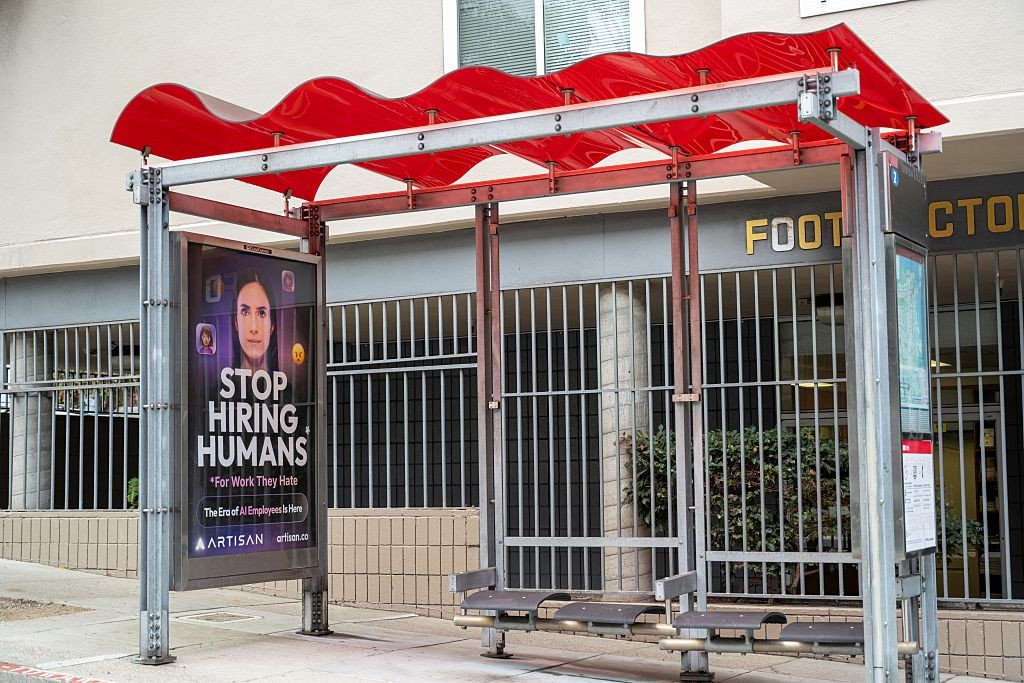
เหตุการณ์นี้เป็นมากกว่าประเด็นลิขสิทธิ์ทั่วไป แต่สะท้อนถึงกลยุทธ์ทางการตลาดที่เสี่ยงและปัญหาทางจริยธรรมที่กำลังกัดกร่อนความน่าเชื่อถือของอุตสาหกรรม AI โดยเฉพาะอย่างยิ่งกับ Artisan ซึ่งเพิ่งจะมีแคมเปญที่กล้าบอกให้ธุรกิจ “หยุดจ้างมนุษย์” มาก่อน การใช้ภาพมีมยอดฮิตโดยไม่ได้รับอนุญาต จึงเป็นเหมือนการ “ยิงธนูกลับเข้าหาตัว” ที่แสดงให้เห็นถึงความขัดแย้งภายในของบริษัท
-
กลยุทธ์ที่สร้างความเกลียดชัง (Controversy Marketing): การที่ Artisan เลือกใช้มีมที่เป็นที่รักและรู้จักกันดี โดยไม่ขออนุญาต อาจเป็นกลยุทธ์ที่ตั้งใจสร้างกระแส แม้จะเป็นกระแสเชิงลบก็ตาม เพราะการถูกกล่าวถึงในวงกว้าง (แม้จะเป็นการถูกด่า) สามารถสร้างการรับรู้แบรนด์ได้อย่างรวดเร็ว อย่างไรก็ตาม กลยุทธ์นี้กำลังส่งผลเสียระยะยาวต่อความเชื่อมั่นของลูกค้า โดยเฉพาะในกลุ่มธุรกิจที่ให้ความสำคัญกับจริยธรรมและความคิดสร้างสรรค์ของมนุษย์
-
ผลกระทบต่อมูลค่าทางธุรกิจของ IP (Intellectual Property): กรณีนี้เป็นคดีตัวอย่างที่สำคัญสำหรับโลก AI ในปี 2026 การที่ AI Startup ขโมยผลงานศิลปินชื่อดังโดยตรง จะทำให้เกิดแรงกดดันต่อนักลงทุนและผู้กำกับดูแลให้ออกกฎหมายที่เข้มงวดมากขึ้นเกี่ยวกับแหล่งที่มาของข้อมูลที่ใช้ฝึก AI รวมถึงการลงโทษบริษัทที่ละเมิดลิขสิทธิ์อย่างชัดเจน ซึ่งอาจส่งผลให้ต้นทุนในการดำเนินธุรกิจ AI เพิ่มสูงขึ้นอย่างมีนัยสำคัญ
-
บทเรียนสำหรับธุรกิจที่ใช้ AI: สำหรับองค์กรที่กำลังมองหาเครื่องมือ AI เพื่อเพิ่มประสิทธิภาพ นี่คือสัญญาณเตือนที่ชัดเจนว่า “เทคโนโลยีไม่ได้อยู่เหนือกฎหมาย” การเลือกใช้ซอฟต์แวร์ AI หรือบริการจากบริษัทที่ไม่มีมาตรฐานด้านจริยธรรมและทรัพย์สินทางปัญญาที่ชัดเจน อาจนำมาซึ่งความเสี่ยงทางกฎหมายและชื่อเสียงที่แก้ไขยาก
-
ปฏิกิริยาจากศิลปินและชุมชน: KC Green ไม่ได้นิ่งเฉย แต่กลับใช้พลังของโซเชียลมีเดียอย่างชาญฉลาด โดยการสั่งให้แฟนๆ “ช่วยกันทำลายโฆษณา” หากพบเห็น การกระทำนี้เป็นการสร้างอาวุธให้กับชุมชนในการต่อต้านการละเมิด ซึ่งเป็นการส่งสัญญาณที่แข็งกร้าวไปยังบริษัท AI ทั้งหมดว่า การขโมยงานศิลปะจะไม่ถูกละเลยอีกต่อไป
Frequently Asked Questions (FAQ)
Q1: KC Green ได้รับอนุญาตหรือค่าตอบแทนจาก Artisan หรือไม่?
A1: ไม่ได้รับอนุญาตแต่อย่างใด KC Green ยืนยันผ่านโพสต์บน Bluesky ว่าเขาไม่ได้ตกลงหรือเซ็นสัญญาใดๆ กับ Artisan และระบุว่างานของเขาถูกขโมยไปในลักษณะเดียวกับที่ AI มักจะขโมยงานสร้างสรรค์
Q2: Artisan มีปฏิกิริยาอย่างไรต่อข้อกล่าวหานี้?
A2: Artisan ได้ออกมาปฏิเสธข้อกล่าวหาอย่างเป็นทางการ โดยระบุในอีเมลถึง TechCrunch ว่าพวกเขาเคารพ KC Green และผลงานของเขา พร้อมกับระบุว่ากำลังประสานงานกับเขาอยู่ แต่ก็ไม่ได้ยอมรับว่ามีการกระทำที่ผิดกฎหมายแต่อย่างใด
Full Article (English Translation)
When a Meme Becomes a Weapon: The ‘This is Fine’ AI Copyright Clash
The tech and art worlds were shaken again when KC Green, the artist behind the legendary ‘This is Fine’ meme, publicly accused AI startup Artisan of stealing his artwork for their subway advertising campaign. The ad, spotted in a transit station, modifies Green’s iconic comic, replacing the dog’s dialogue with “[M]y pipeline is on fire,” and urging passersby to “Hire Ava the AI BDR.” This incident is far more than a simple copyright dispute; it highlights the growing tension between human creators and AI companies that use automated tools to blur the lines between inspiration and outright theft, especially as Artisan recently courted controversy with billboards telling businesses to ‘stop hiring humans.’
Deep Dive: The Business and Tech Impact of the Controversy
This event is a masterclass in the risks of controversial marketing and the ethical quicksand facing the AI industry.
-
The Boomerang Effect of Marketing Strategy: Artisan’s decision to use a beloved, universally recognized meme without permission is a high-risk, high-reward strategy. While it guarantees massive brand exposure, the backlash is eroding trust in their core value proposition—replacing human workers. For business clients, partnering with a company that cannot even secure basic IP rights for its own marketing raises a major red flag.
-
Financial and Legal Ramifications: This case is set to become a landmark example for IP law in the context of AI in 2026. The blatant theft from a famous artist will likely accelerate calls for stricter regulations. Investors may now view startups with lax data sourcing as high-risk liabilities. The potential cost of litigation and reputational damage could outweigh any short-term marketing gains.
-
The Creator Economy Pushback: KC Green’s response—“please vandalize it if and when you see it”—is a clever use of community power. By turning his followers into active defenders of his IP, he creates a movement that is harder for a corporation to ignore than a simple cease-and-desist letter. This signals a new era where artists are using their influence to fight back against AI exploitation directly.
-
A Warning for Enterprises: For any business using AI tools, the message is clear: due diligence is non-negotiable. Using software from a company with questionable ethical standards exposes your own business to legal and reputational risks. The “move fast and break things” mentality does not hold up in the IP-sensitive world of creative assets.
Frequently Asked Questions (FAQ)
Q1: Did KC Green authorize Artisan to use his artwork?
A1: Absolutely not. KC Green confirmed on his Bluesky account that he never agreed to or signed any contract with Artisan. He explicitly stated that the art was “stolen like AI steals.”
Q2: How did Artisan respond to the accusations?
A2: In an email to TechCrunch, an Artisan representative stated they have “a lot of respect for KC Green and his work” and that they are “reaching out to him directly.” However, they have not admitted to any wrongdoing or unauthorized use of the copyrighted material.
Reference
For more details on the original report, please see the article on TechCrunch:
TechCrunch: ‘This is fine’ creator says AI startup stole his art