Meta ประกาศร่วมพัฒนา CPU ระดับดาต้าเซ็นเตอร์กับ Arm หลายรุ่น วางขายคู่กับ Nvidia, AMD
Meta ประกาศเป็นทั้ง lead partner และ co-developer ร่วมกับ Arm ในการพัฒนา CPU สำหรับดาต้าเซ็นเตอร์หลายรุ่น (multiple generations) โดยจะใช้งานร่วมกับฮาร์ดแวร์จากค่ายอื่นๆ เช่น Nvidia และ AMD การประกาศนี้ได้รับการยินดีจากลูกค้ารายใหญ่ของ Arm อย่าง Amazon AWS, Microsoft, Google, Marvell, Nvidia, Samsung ทว่า Qualcomm กลับหายไปจากรายชื่อ หลังก่อนหน้านี้ศาลตัดสินให้ Qualcomm ชนะคดีลิขสิทธิ์สัญญา Arm อย่าง “เด็ดขาด”
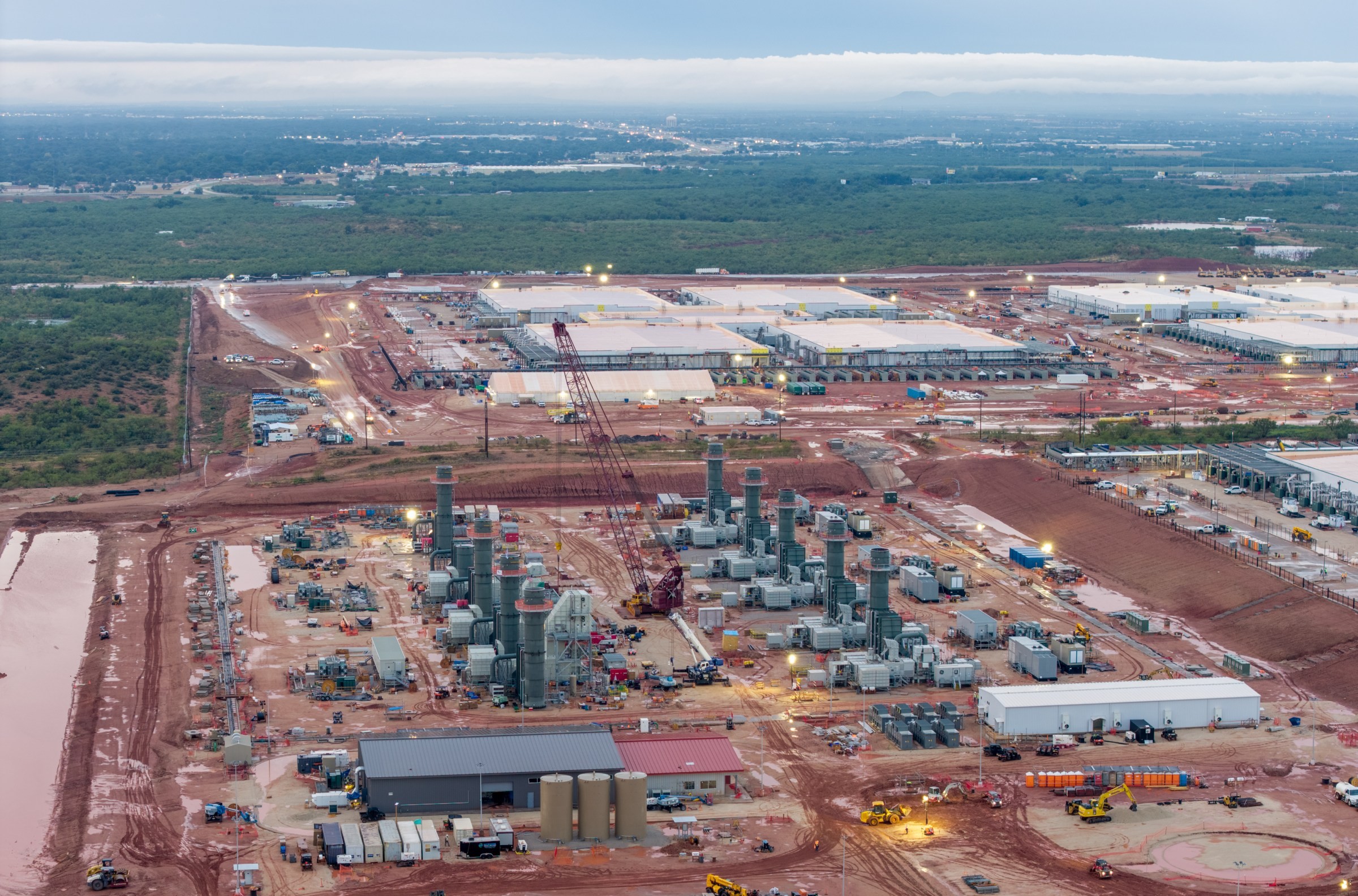
- ขณะเดียวกัน กระแสไฟฟ้าจากก๊าซธรรมชาติที่กำลังก่อสร้างทั่วโลกเพิ่มขึ้น 31% ในปี 2025 โดยเกือบ 1 ใน 4 ของกำลังการผลิตใหม่ทั้งหมดอยู่ในสหรัฐฯ แซงหน้าจีน และมากกว่า 1 ใน 3 ของการเติบโตในสหรัฐฯ ถูกคาดการณ์ว่าจะถูกใช้โดยตรงในดาต้าเซ็นเตอร์ (ข้อมูลจาก Global Energy Monitor)
- Microsoft กำลังออกแบบดาต้าเซ็นเตอร์ที่มีประสิทธิภาพสูงขึ้น โดยใช้วัสดุตัวนำยวดยิ่งอุณหภูมิสูง (High-Temperature Superconductors) เพื่อให้กระแสไฟฟ้าไหลผ่านโดยมีความต้านทานเป็นศูนย์ ซึ่งอาจเปลี่ยนเกมการสร้างโครงสร้างพื้นฐานด้านพลังงานของดาต้าเซ็นเตอร์
- แนวโน้มดาต้าเซ็นเตอร์ปี 2026 เร่งการนำโมดูลพลังงานสำเร็จรูป ระบบระบายความร้อนแบบสไลด์ และหน่วยดาต้าเซ็นเตอร์แบบคอนเทนเนอร์มาใช้ ส่งผลให้ระยะเวลาการติดตั้งลดลง 30-50% และการขยายตัวทำได้ยืดหยุ่นตามดีมานด์
- ความยั่งยืนกลายเป็นปัจจัยออกแบบหลัก โดยเฉพาะความสัมพันธ์ระหว่างการใช้พลังงานและน้ำ (Energy-Water Nexus) แรงกดดันด้านกฎระเบียบเพิ่มขึ้น แหล่งน้ำกลายเป็นข้อจำกัดในการเลือกที่ตั้ง และความยั่งยืนคือความแตกต่างทางการแข่งขัน
- ความท้าทายในการผสาน AI เข้าดาต้าเซ็นเตอร์ ได้แก่ เรื่องความเป็นส่วนตัวของข้อมูล ต้นทุนและความซับซ้อน และช่องว่างด้านทักษะ อนาคตจะเห็นโครงสร้างพื้นฐานแบบ Self-Healing และความจำเป็นด้านประสิทธิภาพพลังงานที่เร่งด่วนขึ้น
English Translation
Meta announced that it is both the lead partner and co-developer with Arm for multiple generations of data center CPUs, intended to be used alongside hardware from other vendors such as Nvidia and AMD. This news was welcomed by major Arm customers including Amazon AWS, Microsoft, Google, Marvell, Nvidia, and Samsung. Notably, Qualcomm was absent from the congratulatory list following its “complete victory” in a court ruling against Arm over licensing terms last fall.
Meanwhile, global gas-fired power generation under development surged 31% in 2025. Nearly a quarter of that capacity is in the U.S., surpassing China as the country with the largest increase. More than a third of U.S. growth is expected to directly power data centers, according to Global Energy Monitor (GEM).
Microsoft is designing more efficient data centers using high-temperature superconductors, which enable electricity to flow with zero resistance, potentially revolutionizing energy infrastructure for data centers.
Data center trends for 2026 are driving adoption of prefabricated power modules, skid-mounted cooling systems, and containerized units, reducing deployment timelines by 30–50% and enabling scalable expansion.
Sustainability constraints, especially the energy-water nexus, are reshaping design priorities, with regulatory pressure, water availability influencing site selection, and sustainability becoming a competitive differentiator.
Key challenges in integrating AI into data centers include data privacy, cost and complexity, and skills gaps. The future points to self-healing infrastructure and an urgent need for energy efficiency.
Citation Link
Source: The Verge – All the latest updates on AI data centers