ผลกระทบของ AI ต่องานวิจัย: ผลผลิตปริมาณมาก คุณภาพตกต่ำ และระบบประเมินที่ถึงทางตัน
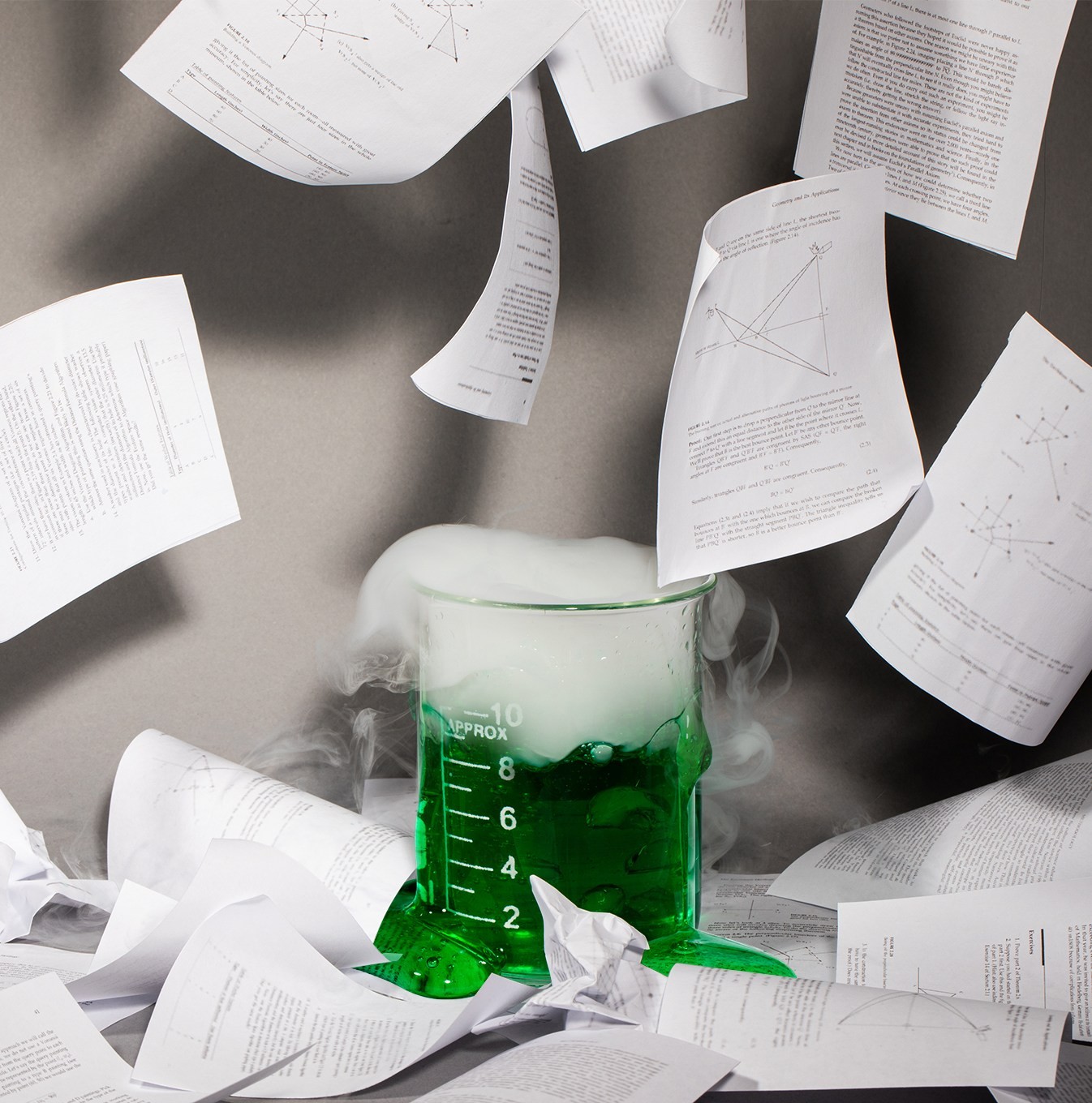
งานวิจัยชิ้นใหม่จากมหาวิทยาลัยแคลิฟอร์เนีย เบิร์กลีย์ และมหาวิทยาลัยคอร์เนลล์ ซึ่งตีพิมพ์ในวารสาร Science เปิดเผยให้เห็นถึงสถานการณ์น่าตกใจในวงการวิทยาศาสตร์โลก เมื่อ AI กำลังเปลี่ยนแปลงกระบวนการวิจัยในลักษณะ “เพิ่มปริมาณแต่ลดคุณภาพ”
การที่นักวิจัยใช้ AI โดยเฉพาะ Large Language Models (LLMs) อย่าง ChatGPT ในการเขียนและผลิตผลงาน ส่งผลให้จำนวนพรีปรินต์ (Preprint) บนแพลตฟอร์มหลักอย่าง arXiv, bioRxiv และ SSRN พุ่งสูงขึ้นอย่างมีนัยสำคัญ อย่างไรก็ตาม งานวิจัยเหล่านี้ส่วนใหญ่มีความ “ฉาบฉวย” ทางวิทยาศาสตร์เพิ่มขึ้น ทำให้ระบบผู้ทรงคุณวุฒิ (Peer Review) ซึ่งเป็นหัวใจสำคัญของการตรวจสอบความถูกต้อง เกิดภาวะคอขวดขั้นรุนแรง
การวิเคราะห์เชิงลึก: จาก Tool สู่ Pain Point ของระบบนิเวศวิทยาศาสตร์
สถานการณ์นี้ไม่ใช่แค่ “ข่าวครึกโครม” ในแวดวงวิชาการอีกต่อไป แต่กำลังกลายเป็นความเสี่ยงเชิงระบบที่ส่งผลกระทบโดยตรงต่อธุรกิจที่พึ่งพานวัตกรรมและเทคโนโลยี การวิเคราะห์ผลกระทบทางธุรกิจของเทคโนโลยีและซอฟต์แวร์มีดังนี้:
-
ต้นทุนการตรวจสอบที่เพิ่มขึ้นอย่างทวีคูณ: ระบบ Peer Review แบบเดิมซึ่งอาศัยอาสาสมัครไม่สามารถรับมือกับปริมาณงานที่เพิ่มขึ้น 30-50% ได้อีกต่อไป สำหรับบริษัทเทคโนโลยีที่ลงทุนด้าน R&D (Research & Development) การคัดกรองงานวิจัยที่มีคุณภาพเพื่อนำมาประยุกต์ใช้ กลายเป็นงานที่ใช้ทรัพยากรมนุษย์และงบประมาณสูงลิ่ว
-
ความท้าทายด้านการลงทุนและการจัดสรรทุน (Resource Allocation): เมื่อ “ผลผลิต” (Productivity) จำนวนพรีปรินต์ไม่ใช่ตัวชี้วัดความสามารถอีกต่อไป กองทุนร่วมลงทุน (VC) และแผนก Corporate Venture Capital จะต้องพัฒนาเครื่องมือวิเคราะห์เชิงลึกใหม่ๆ เพื่อประเมินทีมวิจัยและสตาร์ทอัพ ลดความเสี่ยงในการลงทุนในโครงการที่มีเพียง “เปลือก” ที่สวยงาม
-
AI เป็นทั้งต้นตอและทางออกที่น่าขัน: การศึกษาชี้ว่าทางออกระยะสั้นอาจต้องอาศัย AI ด้วยกัน โดยใช้ “Reviewer Agent” หรือซอฟต์แวร์ตัวกรองอัจฉริยะ ทำหน้าที่เป็นด่านแรกในการคัดกรองงานวิจัยก่อนถึงมือมนุษย์ ซึ่งเปิดตลาดใหม่สำหรับซอฟต์แวร์ด้าน Scientific Integrity และ Research Management Systems
ประเด็นสำคัญจากรายงานและบทวิเคราะห์:
- ความเหลื่อมล้ำที่หวนกลับ: แม้ AI ช่วยนักวิจัยที่ภาษาอังกฤษไม่ใช่ภาษาแม่ให้ผลิตผลงานได้เท่าเทียม แต่กลับสร้าง “กำแพงคุณภาพ” ใหม่ที่ยากจะข้ามผ่านสำหรับทุกคน
- ฟองสบู่ทางวิชาการ?: กระแสการตีพิมพ์ที่เพิ่มสูงขึ้นคล้ายกับฟองสบู่ในตลาดการเงิน ซึ่งเมื่อฟองสบู่แตก อาจส่งผลให้เกิด “วิกฤติความเชื่อมั่น” ต่อความน่าเชื่อถือของงานวิทยาศาสตร์โดยรวม
- จุดเปลี่ยนที่ Ithaca มหาวิทยาลัยคอร์เนลล์: การประชุมสัมมนา “How Generative AI is Transforming Research” ในเดือนมีนาคม 2026 จะเป็นเวทีสำคัญที่กำหนดกฎกติกาใหม่ของวงการ ซึ่งบริษัทเทคโนโลยีควรจับตาเป็นพิเศษ
Full English Translation:
A new study from UC Berkeley and Cornell University, published in Science, reveals a concerning situation in global science: AI is changing the research landscape by increasing quantity but decreasing quality. The use of AI, especially LLMs like ChatGPT, has caused a surge in preprints on major platforms like arXiv, bioRxiv, and SSRN. However, many of these studies are becoming more “superficial” in scientific merit, causing a severe bottleneck in the peer review system—the core process for verifying accuracy.
Deep Analysis: From Tool to Systemic Pain Point
This is no longer just sensational news in academia. It is becoming a systemic risk that directly impacts businesses reliant on innovation and technology.
- Exponentially Rising Review Costs: The traditional volunteer-based peer review system cannot handle the 30-50% increase in volume. For tech companies investing in R&D, filtering quality research for application has become an extremely costly and resource-intensive task.
- Investment and Resource Allocation Challenges: When productivity (preprint count) is no longer a valid metric, Venture Capital firms and Corporate Venture Capital arms will need to develop new deep analytical tools to evaluate research teams and startups, reducing the risk of investing in projects with a “beautiful shell.”
- AI as Both the Problem and the Ironic Solution: The study suggests that AI itself may offer a short-term solution. Specialized “Reviewer Agents” or intelligent filtering software could act as a first line of defense before papers reach human reviewers, opening a new market for Scientific Integrity and Research Management software.
Key Takeaways:
- A Reversed Gap: While AI helps non-native English speakers produce more work, it creates a new “quality barrier” that is difficult for everyone to cross.
- An Academic Bubble?: The surge in publications resembles a financial market bubble. If it bursts, it could trigger a “crisis of confidence” in the overall credibility of scientific work.
- The Turning Point at Ithaca, Cornell: The symposium “How Generative AI is Transforming Research” in March 2026 will be a crucial arena for setting new rules of the game. Tech companies should watch this closely.
Citation Link:
How AI is transforming research: more papers, less quality, and a strained review system – Berkeley Haas