ไท้เก๊าชิปควีนแห่งหัวเว่ย ท้าทายสหรัฐฯ ด้วยกฎการปรับขนาดชิปแบบใหม่ หวังก้าวกระโดดข้ามขีดจำกัดมัวร์
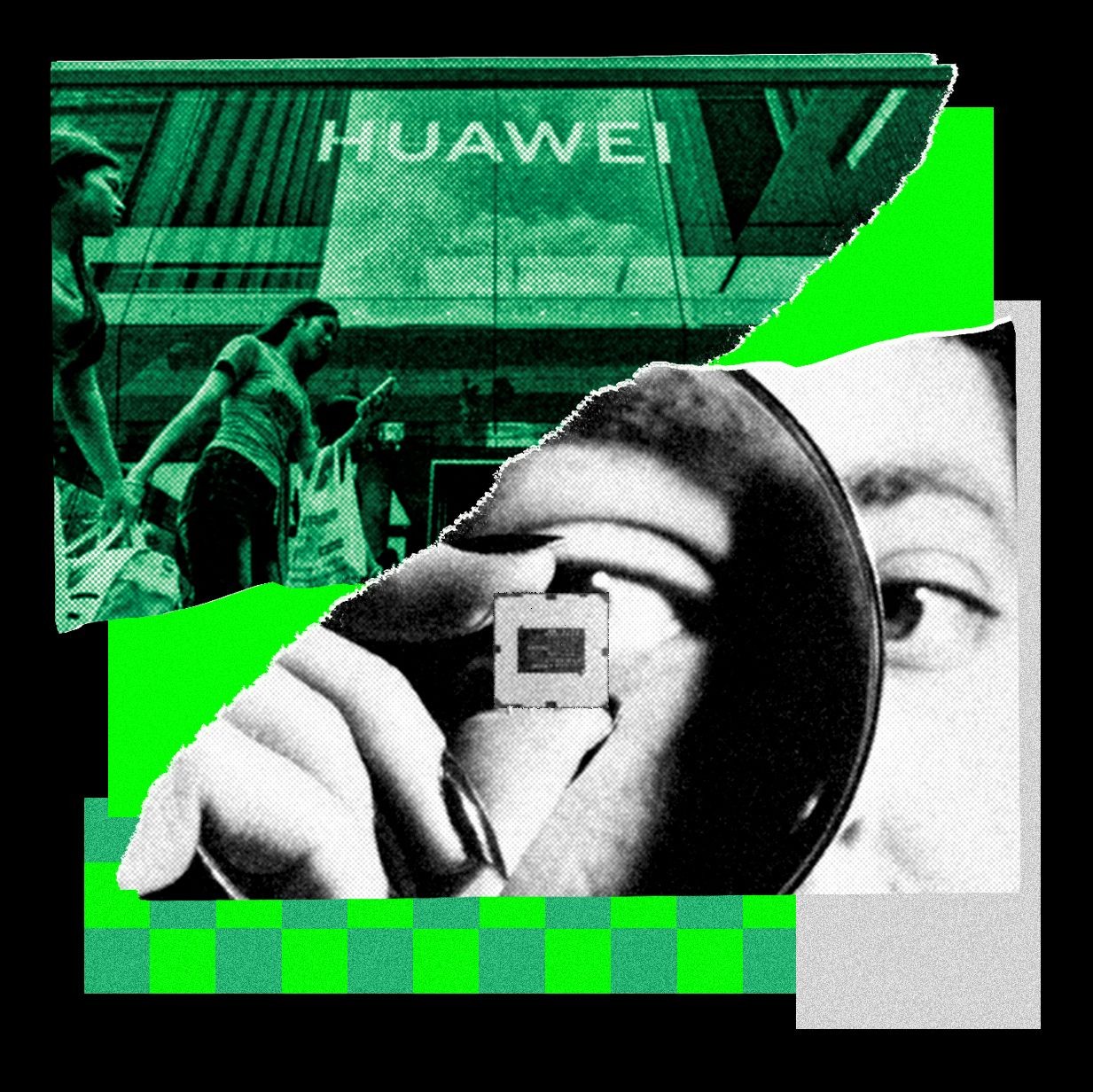
ในงาน IEEE International Symposium on Circuits and Systems ที่เซี่ยงไฮ้ หลิว หญิงผู้ถูกขนานนามว่า “Chip Queen” หรือราชินีชิปแห่งหัวเว่ย ได้ประกาศจุดเปลี่ยนครั้งสำคัญของวงการเซมิคอนดักเตอร์โลก เธอเปิดตัวแนวคิดใหม่ที่ชื่อว่า “กฎการปรับขนาดของเทา” (Tau’s Scaling Law) ซึ่งจะเข้ามาแทนที่กฎของมัวร์ (Moore’s Law) ที่เริ่มถึงขีดจำกัดทางฟิสิกส์แล้ว หัวเว่ยชูแนวทางนี้เป็นยุทธศาสตร์หลักในการเร่งความเร็วการประมวลผลข้ามทั้งชิป วงจร และระบบทั้งหมด แทนที่จะยัดเยียดทรานซิสเตอร์ให้มากขึ้นบนซิลิคอนชิ้นเดียว เป้าหมายคือการปิดช่องว่างประสิทธิภาพระหว่างชิปจีนและชิปตะวันตกให้ได้ภายใน 2-3 ปีข้างหน้า โดยมีสัญญาว่าจะเปิดตัวชิปต้นแบบที่พิสูจน์แนวคิดนี้ภายในฤดูหนาวปี 2026
บทวิเคราะห์เชิงลึก: ผลกระทบทางธุรกิจและเทคโนโลยี
การประกาศของหัวเว่ยครั้งนี้ไม่ใช่แค่ความก้าวหน้าทางวิศวกรรม แต่เป็นหมากเชิงภูมิรัฐศาสตร์ที่มีผลกระทบต่อห่วงโซ่อุปทานเทคโนโลยีโลก โดยเฉพาะอย่างยิ่ง:
- การตอบโต้มาตรการคว่ำบาตรของสหรัฐฯ: Tau’s Scaling Law เป็นหลักฐานชัดเจนว่าการปิดกั้นเทคโนโลยีของสหรัฐฯ กำลังเร่งให้จีนพัฒนานวัตกรรมแบบก้าวกระโดด แทนที่จะชะลอการเติบโตของหัวเว่ย แนวทางใหม่นี้สามารถลดการพึ่งพาเครื่องมือผลิตชิปขั้นสูงจาก ASML หรือซอฟต์แวร์ EDA จาก Cadence และ Synopsys ได้ในระยะยาว
- การเปลี่ยนกระบวนทัศน์อุตสาหกรรม (Paradigm Shift): กฎของมัวร์ที่ขับเคลื่อนอุตสาหกรรมมา 50 ปีกำลังจะสิ้นสุด Tau’s Scaling Law อาจเป็นสถาปัตยกรรมใหม่ที่ธุรกิจทั่วโลกต้องจับตามอง โดยเฉพาะในภาค AI และ Data Center ที่ความเร็วในการประมวลผลเป็นปัจจัยชี้ขาด
- การสร้างระบบนิเวศแบบ ‘System-Level Innovation’: จุดเด่นของแนวทางนี้คือการมองทั้งระบบ ไม่ใช่แค่ตัวชิป ทำให้หัวเว่ยสามารถใช้ความแข็งแกร่งในด้านคลาวด์ (Cloud) และเครือข่าย 5G มาผสานกับการออกแบบชิปได้อย่างมีประสิทธิภาพสูงสุด ซึ่งเป็นข้อได้เปรียบที่คู่แข่งตะวันตกที่เน้นเฉพาะการออกแบบชิปอย่างเดียวอาจมีไม่เท่า
- ไทม์ไลน์และความเชื่อมั่นของตลาด: คำมั่นสัญญาเรื่อง “เซอร์ไพรส์” ในปี 2026 จะเป็นตัวชี้วัดความสำเร็จ หากหัวเว่ยสามารถทำตามคำพูดได้จริง ตลาดอาจต้องปรับมูลค่าบริษัทเทคโนโลยีจีนขึ้นใหม่ และซัพพลายเออร์ชิปรายใหญ่ของสหรัฐฯ อาจสูญเสียส่วนแบ่งการตลาดในกลุ่มผลิตภัณฑ์ประสิทธิภาพสูง
ประเด็นสำคัญ: ผลกระทบทางธุรกิจที่คุณควรรู้
- Supply Chain Disruption: สหรัฐฯ อาจต้องทบทวนกลยุทธ์การควบคุมการส่งออก เพราะการคว่ำบาตรกำลังกลายเป็นแรงผลักดันให้จีนสร้างขีดความสามารถด้านชิปที่ไม่พึ่งพาเทคโนโลยีตะวันตก
- Competitive Landscape: หัวเว่ยอาจกลายเป็นคู่แข่งที่แข็งแกร่งยิ่งขึ้นในตลาด AI Server, Edge Computing และสมาร์ทโฟนพรีเมียม ซึ่งจะกดดันหุ้นของบริษัทอย่าง NVIDIA, AMD และ Qualcomm
- Investment Opportunities: นักลงทุนควรจับตาดูบริษัทจีนที่เกี่ยวข้องกับการออกแบบชิพระดับระบบ (System-on-Chip) และซอฟต์แวร์ที่ใช้สถาปัตยกรรมแบบ Distributed Computing ซึ่งอาจเป็นเทรนด์ใหม่ที่มาแรง
- Geopolitical Risk Factor: การแข่งขันด้านชิประหว่างจีน-สหรัฐฯ กำลังเปลี่ยนจาก “สงครามการผลิต” ไปสู่ “สงครามด้านสถาปัตยกรรม” ซึ่งอาจทำให้มาตรการคว่ำบาตรที่เกี่ยวข้องกับเครื่องจักร EUV ไร้ความหมายในอนาคต
คำถามที่พบบ่อย (FAQ)
Full English Translation:
At the IEEE International Symposium on Circuits and Systems in Shanghai, He Tingbo, known as Huawei’s “Chip Queen,” announced a major turning point for the global semiconductor industry. She unveiled a new concept called “Tau’s Scaling Law,” which will replace Moore’s Law as it approaches its physical limits. Huawei is championing this approach as its core strategy to accelerate computation across chips, circuits, and entire systems, rather than cramming more transistors onto a single piece of silicon. The goal is to close the performance gap between Chinese and Western chips within the next 2-3 years, with a promise to unveil a proof-of-concept chip by the winter of 2026.
Deep Analysis: Business and Technology Impact
Huawei’s announcement is not just an engineering breakthrough; it is a geopolitical chess move with massive implications for the global tech supply chain, particularly:
- Countering US Sanctions: Tau’s Scaling Law is clear evidence that US technology blockades are accelerating, not stifling, Chinese innovation. This new path could lessen Huawei’s long-term reliance on advanced lithography machines from ASML or EDA software from Cadence and Synopsys.
- Industry Paradigm Shift: With Moore’s Law ending, Tau’s Scaling Law could become the new architectural blueprint for the industry. Businesses in AI and Data Centers, where processing speed is critical, must pay close attention.
- System-Level Innovation Advantage: The key here is the holistic system view. By optimizing across chips, circuits, and systems, Huawei can leverage its strengths in Cloud and 5G to maximize chip performance, an advantage pure-play Western chip designers may lack.
- Market Confidence and Timeline: The promise of a “surprise” in 2026 will be the ultimate test. If delivered, it could force a global revaluation of Chinese tech companies and erode the market share of major US chip suppliers in the high-performance segment.
Key Business Takeaways
- Supply Chain Disruption: The US may need to rethink export controls, as sanctions are becoming a catalyst for China to build self-sufficient chip capabilities.
- Competitive Landscape: Huawei could become an even stronger competitor in AI Servers, Edge Computing, and premium smartphones, pressuring companies like NVIDIA, AMD, and Qualcomm.
- Investment Opportunities: Investors should watch Chinese companies focused on system-level chip design and distributed computing software, which could become the next big trend.
- Geopolitical Risk Factor: The chip race is shifting from a “manufacturing war” to an “architecture war,” which could render sanctions on EUV machines obsolete in the future.
Citation Link: https://www.wired.com/story/huawei-chip-queen-moores-law-tau