เราเตอร์ไร้สาย vs. ระบบ Mesh: เลือกแบบไหนให้เหมาะกับบ้านคุณ
แนะนำบทความ
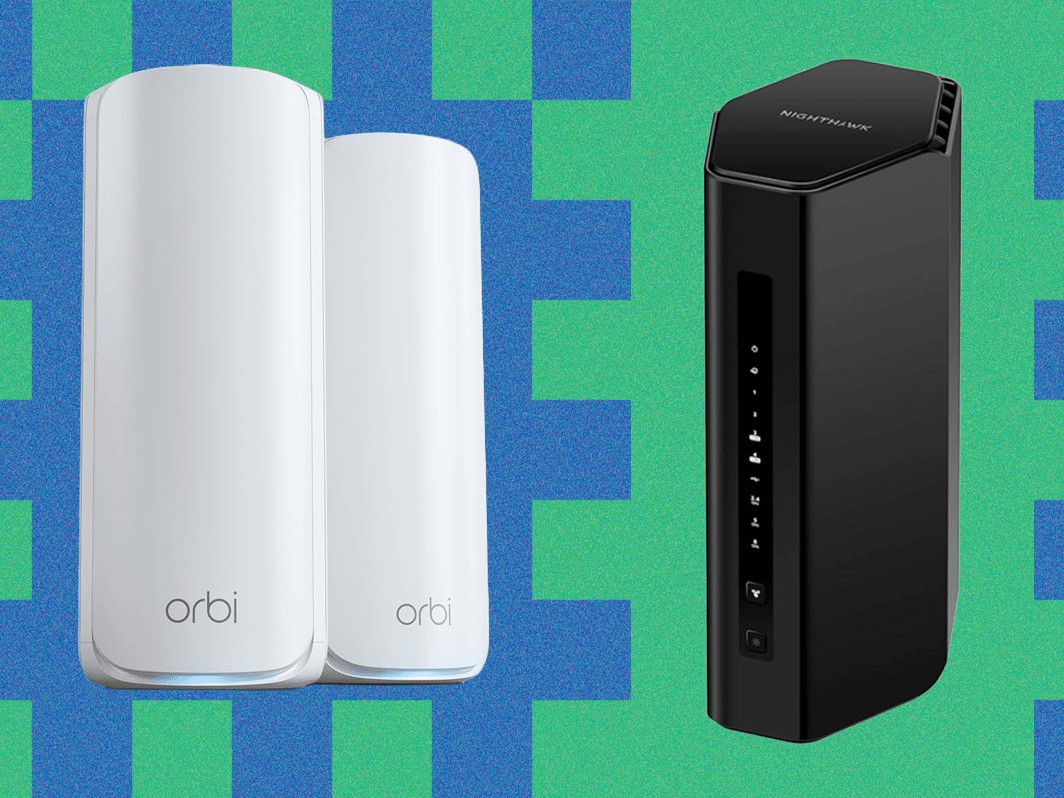
ในยุคที่บ้านเต็มไปด้วยอุปกรณ์เชื่อมต่อ ไม่ว่าจะเป็นสมาร์ทโฟน แล็ปท็อป สมาร์ททีวี หรือระบบลำโพงอัจฉริยะ การเลือกโครงสร้างเครือข่าย Wi-Fi ที่เหมาะสมจึงเป็นหัวใจสำคัญของการใช้ชีวิตดิจิทัล บทความนี้จะวิเคราะห์ความแตกต่างระหว่าง เราเตอร์เดี่ยวแบบดั้งเดิม และ ระบบ Mesh Wi-Fi อย่างเจาะลึก เพื่อช่วยให้คุณตัดสินใจลงทุนกับเทคโนโลยีเครือข่ายภายในบ้านได้อย่างชาญฉลาด
วิเคราะห์เชิงลึก: ผลกระทบทางธุรกิจและเทคโนโลยี
การเลือกระหว่างเราเตอร์เดี่ยวกับระบบ Mesh ไม่ใช่แค่เรื่องของความสะดวก แต่เป็นการตัดสินใจที่ส่งผลโดยตรงต่อประสิทธิภาพการทำงาน การลงทุนทางเทคโนโลยี และคุณภาพชีวิตดิจิทัลของสมาชิกในครอบครัว
-
โจทย์เรื่องขนาดและสิ่งกีดขวางทางกายภาพ
- เราเตอร์เดี่ยว: มีประสิทธิภาพสูงสุดในพื้นที่จำกัด เช่น บ้านขนาดไม่เกิน 2,500 ตารางฟุต (ประมาณ 232 ตารางเมตร) ที่มีโครงสร้างสมัยใหม่ (กรอบไม้กับผนังยิปซัม) อย่างไรก็ตาม สัญญาณจะอ่อนลงอย่างมากเมื่อต้องทะลุกำแพงหรือพื้นคอนกรีต และมีระยะจำกัด โดยเฉพาะย่าน 2.4 GHz ที่วิ่งได้ไม่เกิน 300 ฟุตกลางแจ้ง ทำให้เกิด Dead Zones ที่เป็นอุปสรรคต่อการทำงานหรือความบันเทิง
- ระบบ Mesh: แก้ปัญหาพื้นที่ตาบอด (Dead Zones) ด้วยการกระจายโหนดหลายจุด สร้างเครือข่ายเดียวที่ไร้รอยต่อ (Seamless Network) เหมาะกับบ้านขนาดใหญ่ บ้านสองชั้น หรือพื้นที่ที่มีสิ่งกีดขวางมาก การปรับขนาดได้ (Scalability) โดยการเพิ่มโหนด ทำให้ระบบ Mesh เป็นโซลูชันที่ยืดหยุ่นและรองรับการขยายพื้นที่ในอนาคต
-
ประสิทธิภาพต่อการทำงานและอุปกรณ์หลายชนิด (Heavy Usage)
- เราเตอร์เดี่ยว: ให้ความเร็วและความเสถียรที่เหนือกว่าในการเชื่อมต่อแบบจุดเดียว โดยเฉพาะการโอนถ่ายไฟล์ภายในเครือข่าย (LAN) และการเชื่อมต่อกับอุปกรณ์สมาร์ทโฮมบางประเภท เช่น ระบบ Sonos เนื่องจากไม่มีปัญหาการสลับโหนด (Node Switching) ที่อาจทำให้สัญญาณขาดหายหรือควบคุมลำโพงไม่ได้
- ระบบ Mesh: แม้จะมอบความครอบคลุมที่กว้างกว่า แต่ประสิทธิภาพในการจัดการทราฟฟิกและความเสถียรของการเชื่อมต่อนั้นขึ้นอยู่กับผู้ผลิตเป็นอย่างมาก แบรนด์อย่าง Netgear และ Eero ได้รับการยกย่องว่ามีประสิทธิภาพในการจัดเส้นทางสัญญาณดีเยี่ยม อย่างไรก็ตาม ผู้ใช้ระบบ Smart Home อาจพบปัญหาอุปกรณ์หลุดจากเครือข่ายหากระบบ Mesh ไม่ได้ถูกปรับแต่งมาอย่างดี
-
ความคุ้มค่าและการลงทุนระยะยาว (ROI)
- เราเตอร์เดี่ยว: เป็นทางเลือกที่ประหยัดและคุ้มค่าสำหรับบ้านขนาดเล็กที่มีอุปกรณ์ไม่มากนัก เป็นโซลูชัน Plug-and-Play ที่ตรงไปตรงมา
- ระบบ Mesh: แม้มีต้นทุนเริ่มต้นที่สูงกว่า แต่ให้ความคุ้มค่าในระยะยาว (Long-term Value) สำหรับบ้านที่มีอุปกรณ์เชื่อมต่อจำนวนมาก เนื่องจากครอบคลุมพื้นที่ทั้งหมดและลดปัญหาการติดขัดของเครือข่าย ซึ่งส่งผลดีต่อการทำงาน การเรียนออนไลน์ และความบันเทิงของทุกคนในบ้าน
-
จุดเปลี่ยนสำคัญ: เทคโนโลยีลูกผสม (Hybrid Solution)
- ปัจจุบันมีเทคโนโลยีที่ทำให้เราเตอร์หลายตัวสามารถทำงานร่วมกันเสมือนระบบ Mesh ได้ (เช่น เทคโนโลยีจาก Asus) ซึ่งเป็นการเบลอเส้นแบ่งระหว่างสองประเภทนี้ ทำให้ผู้ใช้มีทางเลือกที่ยืดหยุ่นมากขึ้นในการปรับปรุงเครือข่ายเดิมโดยไม่ต้องซื้อระบบ Mesh ทั้งชุด
ข้อสรุปหลัก
- เลือกเราเตอร์เดี่ยว หากคุณอาศัยในบ้านขนาดเล็กถึงปานกลาง (ไม่เกิน 2,500 ตร.ฟุต) โครงสร้างไม่ซับซ้อน มีอุปกรณ์เชื่อมต่อไม่มาก และให้ความสำคัญกับความเร็วและเสถียรภาพสูงสุดเป็นหลัก
- เลือกระบบ Mesh หากบ้านของคุณมีหลายชั้น พื้นที่กว้าง มีปัญหาสัญญาณไม่ถึง หรือมีอุปกรณ์เชื่อมต่อจำนวนมากที่ต้องการการเชื่อมต่อที่ราบรื่นทั่วทุกมุมบ้าน
- ปัจจัยชี้ขาด: ขนาดบ้าน วัสดุก่อสร้าง จำนวนอุปกรณ์ และงบประมาณ เป็นตัวกำหนดว่าการลงทุนใดจะให้ผลตอบแทนทางดิจิทัลสูงที่สุด
อัปเดตเทรนด์เทคโนโลยีล่าสุดก่อนใครที่ TechBizInsight.com นะคะ
Full English Translation
Wi-Fi Router vs. Mesh System: Which Is Best for You?
Introduction
In an era where homes are filled with connected devices, from smartphones and laptops to smart TVs and smart speakers, choosing the right Wi-Fi network architecture is the heart of a digital lifestyle. This article provides an in-depth analysis of the differences between a traditional single router and a Mesh Wi-Fi system to help you make a smart investment decision for your home network technology.
Deep Analysis: Business & Technology Impact
The choice between a single router and a Mesh system is not just about convenience; it’s a decision that directly impacts work efficiency, technology investment, and the digital quality of life for family members.
-
Physical Size and Obstruction Challenges
- Single Router: Highly effective in limited spaces, such as homes under 2,500 square feet with modern construction (timber frame and drywall). However, signal strength drops significantly when penetrating concrete walls or floors, with limited range, especially on the 2.4 GHz band (up to 300 feet outdoors), creating dead zones.
- Mesh System: Solves dead zones by distributing multiple nodes to create a single, seamless network. Ideal for large homes, multi-story houses, or areas with many obstructions. Scalability by adding nodes makes Mesh a flexible solution for future expansion.
-
Performance for Work and Multiple Devices (Heavy Usage)
- Single Router: Provides superior speed and stability for single-point connections, especially for LAN file transfers and connecting to certain smart home devices like Sonos systems, as there are no node-switching issues.
- Mesh System: While offering wider coverage, performance in traffic management and connection stability heavily depends on the manufacturer. Brands like Netgear and Eero are praised for excellent routing efficiency. However, smart home users may experience devices dropping from the network if the Mesh system is not well-optimized.
-
Cost-Effectiveness and Long-Term Investment (ROI)
- Single Router: A budget-friendly and cost-effective choice for small homes with few devices. It is a straightforward plug-and-play solution.
- Mesh System: Despite a higher initial cost, it offers better long-term value for homes with many devices by covering the entire area and reducing network congestion, benefiting work, online learning, and entertainment.
-
Key Turning Point: Hybrid Solutions
- Technologies now allow multiple routers to work together like a Mesh system (e.g., Asus AiMesh), blurring the lines between the two categories. This gives users more flexible options to upgrade their existing network without buying a complete Mesh system.
Key Takeaways
* Choose a single router if you live in a small to medium home (under 2,500 sq ft) with simple construction, few devices, and prioritize maximum speed and stability.
* Choose a Mesh system if your home has multiple floors, large areas, signal coverage problems, or many devices requiring smooth connectivity throughout.
* Deciding Factors: Home size, building materials, number of devices, and budget determine which investment yields the highest digital return.
Citation Link
https://www.wired.com/story/mesh-system-vs-wi-fi-router