คลื่นสมอง กุญแจไขปริศนาให้ Physical AI?
คลื่นสมองกำลังกลายเป็นข้อมูลประเภทถัดไปที่วงการ Physical AI หันมาให้ความสนใจ หลังจากที่ข้อจำกัดที่แท้จริงของหุ่นยนต์ฮิวแมนนอยด์และหุ่นยนต์คลังสินค้าไม่ได้อยู่ที่สถาปัตยกรรมของโมเดลอีกต่อไป แต่อยู่ที่ความขาดแคลนข้อมูลฝึกสอนในโลกจริง (real-world physical training data)
มิติใหม่ของการสร้างข้อมูลฝึกสอนให้ AI
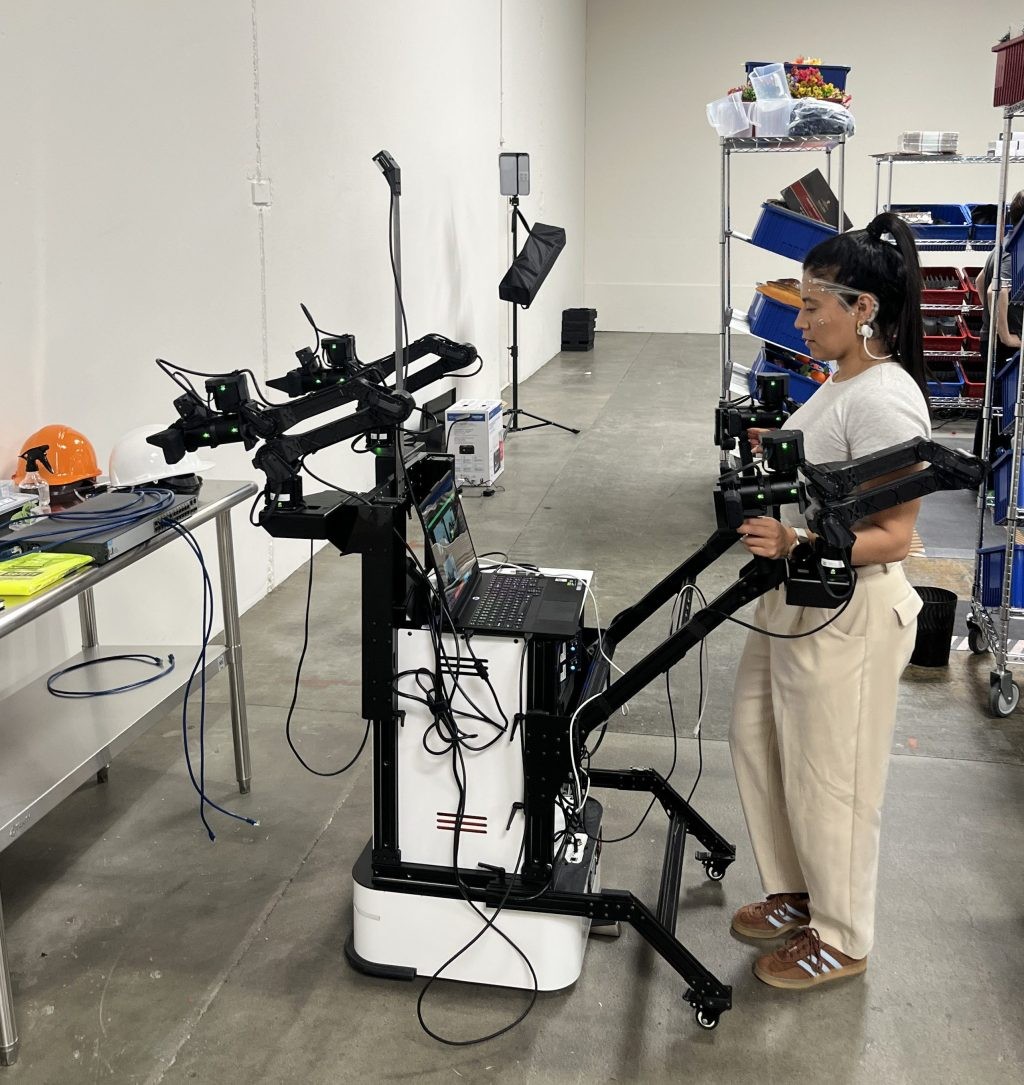
การเปลี่ยนแปลงครั้งนี้กำลังเกิดขึ้นที่คลังสินค้าในเมืองซานลีแอนโดร รัฐแคลิฟอร์เนีย ซึ่งเป็นฐานที่มั่นของ Encord สตาร์ทอัพที่สร้างเครื่องมือจัดการข้อมูลเพื่อฝึกฝนโมเดล AI สิ่งที่พวกเขาทำแตกต่างจากผู้เล่นรายอื่นคือการก้าวข้ามบทบาทผู้จัดการข้อมูล ไปสู่การเป็นผู้ผลิตข้อมูลที่ตลาดขาดแคลน โดยใช้เซนเซอร์วัดคลื่นสมองจาก Zander Labs สตาร์ทอัพด้านประสาทวิทยาศาสตร์จากเยอรมนี เพื่อดักจับสภาวะทางจิต (mental states) เช่น ความผิดพลาด (error) ความตั้งใจ (intent) และความประหลาดใจ (surprise) ของผู้ฝึกสอนขณะทำงาน
ผลกระทบต่อธุรกิจและเทคโนโลยี
- ลดต้นทุนการเก็บข้อมูล: การใช้คลื่นสมองช่วยให้โมเดลรู้ว่าเมื่อใดควรใช้ทรัพยากรประมวลผลสูงสุด (highest-effort models) ทำให้ลดการใช้พลังงานและทรัพยากรคลาวด์
- เพิ่มประสิทธิภาพการฝึกสอน: ข้อมูลที่มีคุณภาพสูงกว่า 50-80% เมื่อเทียบกับข้อมูลจากกล้องเพียงอย่างเดียว
- เปิดตลาดใหม่: ตลาด AI Training Data ที่มีมูลค่า 2.5 พันล้านดอลลาร์ในปี 2025 คาดว่าจะเติบโตสู่ 10.8 พันล้านดอลลาร์ภายในปี 2030 โดยโซลูชันที่ใช้ชีววิทยาเป็นฐาน (bio-based data) จะเป็นส่วนสำคัญ
- ความได้เปรียบในการแข่งขัน: บริษัทที่สามารถผลิตข้อมูลคุณภาพสูงได้เองจะไม่ต้องพึ่งพาแหล่งข้อมูลสาธารณะอีกต่อไป
สรุปประเด็นสำคัญ
Physical AI กำลังเข้าสู่ยุคที่ “ข้อมูล” คือทรัพยากรที่หายากที่สุด ไม่ใช่ “โมเดล” อีกต่อไป การใช้คลื่นสมองเพื่อสร้างข้อมูลฝึกสอนที่เหนือชั้นกว่าวิดีโอธรรมดา จะเป็นตัวชี้วัดความสำเร็จของบริษัทที่พัฒนา Humanoid Robot และ Warehouse Automation ในอีก 3-5 ปีข้างหน้า
English Translation:
Are brain waves the next unlock for physical AI? – Brain waves are becoming the next type of data that the Physical AI industry is paying attention to, as the true constraint on humanoid and warehouse robots is no longer the model architecture but the scarcity of real-world physical training data.
New Dimension of AI Training Data Creation: This shift is happening in a warehouse in San Leandro, California, the base of Encord, a startup building data tooling for AI model training. They go beyond data management into manufacturing the scarce data the market needs, using brain wave sensors from Zander Labs, a German neuroscience startup, to capture mental states such as error, intent, and surprise from human trainers.
Business and Technology Impact:
– Reduced Data Collection Cost: Brain waves help models know when to use highest-effort computing resources, reducing energy and cloud costs.
– Higher Training Efficiency: Data quality is 50-80% better than camera-only data.
– New Market Opportunity: The AI Training Data market, valued at $2.5 billion in 2025, is projected to grow to $10.8 billion by 2030, with bio-based data solutions playing a key role.
– Competitive Advantage: Companies that can produce high-quality proprietary data will no longer rely on public datasets.
Key Takeaways: Physical AI is entering an era where “data” is the scarcest resource, not “models.” Using brainwaves to create superior training data will be the success factor for companies developing Humanoid Robots and Warehouse Automation in the next 3-5 years.
Source: https://techcrunch.com/2026/07/26/are-brain-waves-the-next-unlock-for-physical-ai