เทรนด์ Robotaxi โลกเดือด! สหรัฐฯ เร่งเครื่องปูทาง ขณะที่ลอนดอนกลายเป็นสนามรบใหม่
เทรนด์ Robotaxi โลกเดือด! สหรัฐฯ เร่งเครื่องปูทาง ขณะที่ลอนดอนกลายเป็นสนามรบใหม่
วงการรถยนต์ไร้คนขับ (Robotaxi) กำลังเข้าสู่ช่วงหัวเลี้ยวหัวต่อที่สำคัญอย่างยิ่ง หลังมีรายงานข่าวใหญ่จากสหรัฐฯ และยุโรปที่ชี้ให้เห็นถึงทิศทางที่แตกต่างกันอย่างสิ้นเชิงของการพัฒนานวัตกรรมนี้ โดยเฉพาะการที่รัฐบาลกลางสหรัฐฯ กำลังเหยียบคันเร่งเพื่อปลดล็อกกฎระเบียบ ขณะที่ลอนดอนกำลังจะกลายเป็นสมรภูมิใหม่ที่ร้อนระอุของยักษ์ใหญ่ระดับโลก
Deep Thai Analysis: เมื่อภาครัฐเร่งเครื่อง เอกชนเร่งสปีด
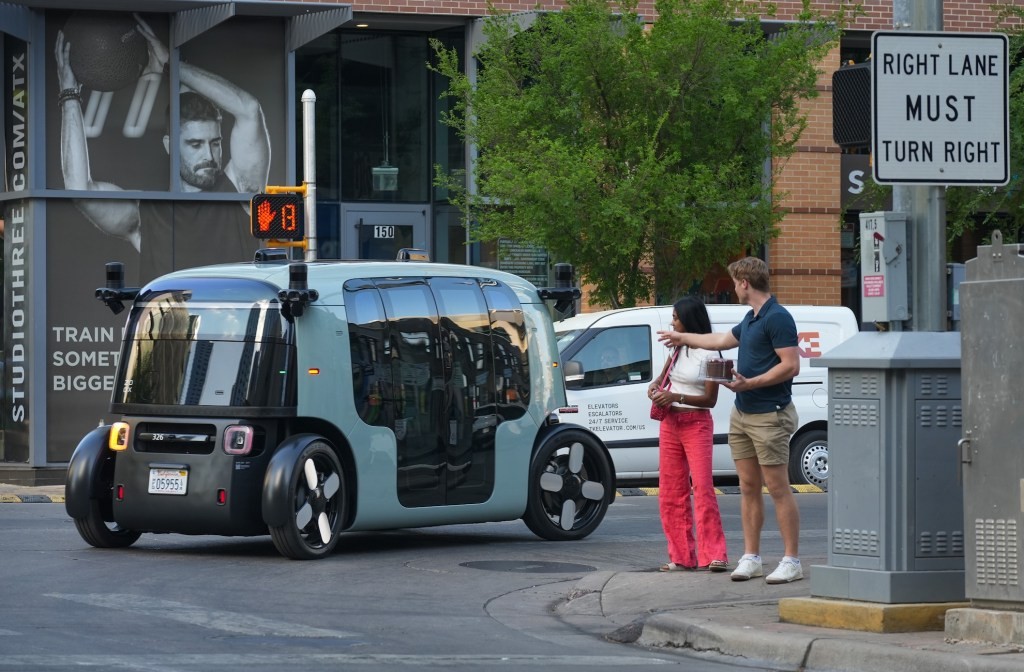
การประกาศล่าสุดของสำนักงานความปลอดภัยการจราจรบนทางหลวงแห่งชาติสหรัฐฯ (NHTSA) ในการให้ข้อยกเว้นชั่วคราว (Temporary Exemption) แก่ Zoox จากมาตรฐานความปลอดภัยยานยนต์แห่งสหพันธรัฐถึง 8 รายการ ถือเป็นหมุดหมายสำคัญที่ไม่อาจมองข้ามได้ในเชิงธุรกิจ นี่คือตัวเร่งปฏิกิริยาที่ยิ่งใหญ่ที่สุดที่ภาคเอกชนรอคอย เพราะเป็นการปูทางให้ Zoox เริ่มให้บริการเชิงพาณิชย์แบบเรียกเก็บเงินในรถ Robotaxi ที่ออกแบบเฉพาะได้ในที่สุด โดยเริ่มจากลาสเวกัส ซึ่งหมายถึงการเปลี่ยนผ่านจากระยะทดสอบไปสู่การสร้างรายได้จริง (Revenue Generation) นั่นเอง
- ผลกระทบเชิงธุรกิจ (Business Impact): การตัดสินใจครั้งนี้เป็นการส่งสัญญาณผิดจากฝ่ายบริหารที่ต้องการเร่งรัดการแข่งขันกับจีนในเวทีเทคโนโลยีโลก ซึ่งจะช่วยลดต้นทุนการปฏิบัติตามกฎระเบียบ (Compliance Cost) ของบริษัทได้อย่างมหาศาล และดึงดูดเม็ดเงินลงทุน (Venture Capital) เข้าสู่อุตสาหกรรมได้มากขึ้น
- สนามรบใหม่ที่ลอนดอน: การที่ Baidu ยักษ์ใหญ่ด้าน AI ของจีน จับมือกับ Lyft และ Freenow เพื่อทดสอบรถยนต์ไร้คนขับในลอนดอน บ่งชี้ว่าตลาดยุโรปไม่ได้เป็นเพียงแค่เป้าหมายของการขยายธุรกิจ แต่คือศูนย์กลางยุทธศาสตร์ที่ทุกค่ายต้องแย่งชิงตำแหน่งก่อนใคร โดยเฉพาะการเปิดให้บริการสาธารณะในปี 2027 ขณะที่ Waymo และ Uber+Wayve ก็ต่างเร่งเครื่องเข้าไปตั้งหลัก ทำให้การแข่งขันในลอนดอนจะดุเดือดอย่างยิ่ง และเป็นตัวชี้วัดว่าเทคโนโลยีของใครจะเหนือกว่าในสภาพแวดล้อมจราจรที่ซับซ้อน
- ซัพพลายเชนยังเป็นโจทย์ใหญ่: แม้กฎระเบียบจะผ่อนคลายลง แต่ปัญหาห่วงโซ่อุปทาน (Supply Chain) ยังคงเป็นตัวฉุดรั้งสำคัญ เช่นเดียวกับกรณีของ Rivian ที่ต้องเลื่อนส่งมอบ e-bikes ออกไปถึงหลายเดือน นี่คือข้อพิสูจน์ว่าเทคโนโลยีซอฟต์แวร์อาจพร้อม แต่ความพร้อมของฮาร์ดแวร์และชิ้นส่วนยังต้องเร่งแก้ไขไปพร้อมกัน
บทสรุปเชิงกลยุทธ์: ทิศทางของอุตสาหกรรมกำลังถูกกำหนดโดยสองแรงเสียดทานคือ “การเร่งเครื่องของภาครัฐกลาง” กับ ”การเบรกของภาครัฐท้องถิ่น” ซึ่งบริษัทที่จะชนะในเกมนี้ได้คือบริษัทที่บริหารจัดการทั้งสองแรงนี้ได้ดีที่สุด พร้อมกับมีความได้เปรียบด้านต้นทุนการผลิตและระบบซัพพลายเชนที่ยืดหยุ่น
อัปเดตเทรนด์เทคโนโลยีล่าสุดก่อนใครที่ TechBizInsight.com นะคะ
Full English Translation:
The global Robotaxi trend is heating up! The US is accelerating its push to pave the way, while London becomes the new battleground. The autonomous vehicle (Robotaxi) industry is at a critical turning point. Major news from the US and Europe highlights two starkly different directions for this innovation, notably the US federal government pressing the accelerator to deregulate, while London prepares to become a new hot battleground for global giants.
Deep Analysis: When Regulators Accelerate, Companies Speed Up
The recent announcement by the US National Highway Traffic Safety Administration (NHTSA) to grant a temporary exemption to Zoox from eight federal motor vehicle safety standards is a landmark that cannot be overlooked from a business perspective. This is the greatest catalyst the private sector has been waiting for, as it paves the way for Zoox to finally start commercial, paid rides in its purpose-built Robotaxi, beginning in Las Vegas. This signifies a transition from the testing phase to revenue generation.
- Business Impact: This decision sends a clear signal from the administration to accelerate competition with China in the global tech arena. It will significantly reduce compliance costs for companies and attract more venture capital investment into the industry.
- New Battleground in London: The move by Chinese AI giant Baidu to partner with Lyft and Freenow for testing autonomous vehicles in London indicates that the European market isn’t just an expansion target, but a strategic hub everyone must secure before competitors. With public service planned for 2027, and as Waymo and Uber+Wayve also rush to establish a presence, competition in London will be fierce and will serve as a critical benchmark for who has superior technology in complex traffic environments.
- Supply Chain Remains a Major Challenge: Even with regulatory easing, supply chain issues remain a significant drag, as seen in the case of Rivian’s delayed e-bike deliveries. This proves that while software technology may be ready, the readiness of hardware and components must be addressed in tandem.
Strategic Conclusion: The industry’s trajectory is being shaped by two opposing forces: the acceleration by central governments and the braking by local authorities. The companies that will win are those that best manage both forces while possessing advantages in production costs and a flexible supply chain.
Citation Link: Source: TechCrunch Mobility