อีลอน มัสก์ ทิ้งพลังงานแสงอาทิตย์บนโลก หันพึ่งอวกาศป้อนพลังเอไอ
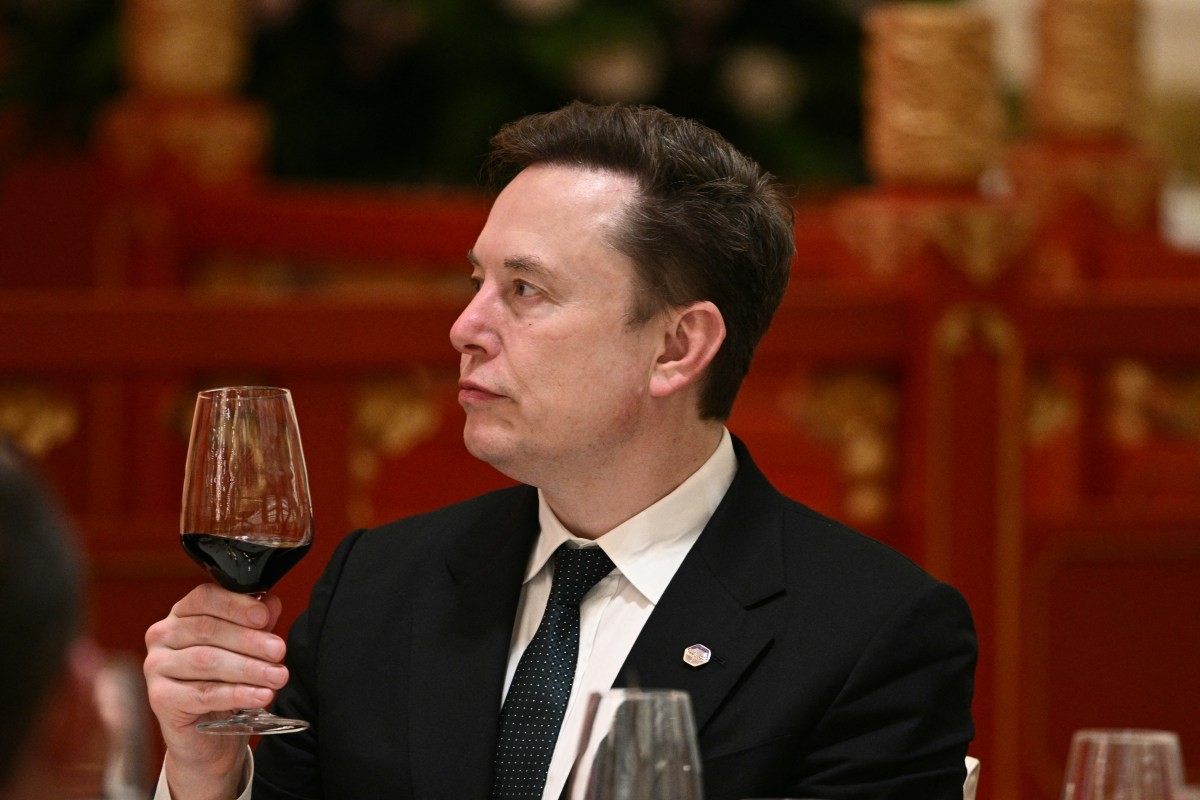
Elon Musk เปลี่ยนทิศทางธุรกิจครั้งใหญ่ จากแสงอาทิตย์บนโลก สู่การโคจรในอวกาศ
การวิเคราะห์เชิงลึก: การเปลี่ยนแปลงครั้งนี้ไม่ได้เป็นเพียงแค่ความสนใจส่วนตัวของมหาเศรษฐี แต่เป็นสัญญาณของวิกฤตพลังงานในอุตสาหกรรมที่กำลังเติบโตอย่างก้าวกระโดด นั่นคือ AI
- จุดเปลี่ยนทางกลยุทธ์: การที่ Musk ซึ่งเคยประกาศไว้ใน Master Plan แรกของ Tesla ว่าเป้าหมายสูงสุดคือ “เศรษฐกิจพลังงานแสงอาทิตย์” กลับให้ความสำคัญกับโซลาร์เซลล์ในอวกาศเท่านั้น แสดงถึงการยอมรับว่า AI ใช้พลังงานมากเกินกว่าที่โลกจะรองรับได้ในระยะยาว
- ผลกระทบทางธุรกิจ: การย้ายเซิร์ฟเวอร์และศูนย์ข้อมูล xAI ขึ้นสู่อวกาศ หมายถึงการหลีกเลี่ยงอุปสรรคอย่าง NIMBY (Not In My Backyard) และกฎระเบียบด้านสิ่งแวดล้อมบนโลก ซึ่งช่วยลดต้นทุนแฝงและระยะเวลาในการดำเนินโครงการลงอย่างมหาศาล
- ตัวเลขที่น่าตกใจ: SpaceX อ้างว่าแผงโซลาร์ในอวกาศให้พลังงานมากกว่าบนโลกถึง 5 เท่า เนื่องจากสามารถรับแสงได้ตลอด 24 ชั่วโมง ในขณะที่ความต้องการคอมพิวติ้งระดับเทราวัตต์ของ AI กำลังผลักดันให้โครงสร้างพื้นฐานแบบเดิมบนพื้นโลกต้านทานไม่ไหว
ประเด็นสำคัญจากรายงาน:
- การย้ายฐานพลังงาน: SpaceX จะสร้างแผงโซลาร์ขนาดมหึมาในวงโคจร เพื่อป้อนไฟฟ้าโดยตรงให้กับศูนย์ข้อมูล AI ที่โคจรอยู่ในอวกาศ
- ยอมแพ้บนโลก: Musk มองว่าโรงไฟฟ้าพลังงานแสงอาทิตย์และกังหันก๊าซธรรมชาติที่มีอยู่บนโลกเป็นเพียง “ทางแก้ชั่วคราว”
- ความเสี่ยงมหาศาล: หากเทคโนโลยีไม่สำเร็จตามที่คาด หรือการปล่อยยานอวกาศไม่ทันกับความต้องการพลังงานที่เพิ่มขึ้น โครงการนี้จะล้มเหลวอย่างยับเยิน
- แรงจูงใจที่แท้จริง: นอกจาก NIMBY แล้ว ยังหวาดกลัวว่า AI จะกลืนกินทรัพยากรไฟฟ้าทั้งหมดของโลกมนุษย์
คำแปลภาษาอังกฤษฉบับสมบูรณ์:
Elon Musk has shifted his massive business direction, from terrestrial solar power to orbital solar power in space.
Deep Analysis: This change is not just a billionaire’s hobby; it’s a signal of an energy crisis in the rapidly growing industry: AI.
- Strategic Pivot: The fact that Musk, who once declared in Tesla’s first Master Plan that the ultimate goal was a “solar electric economy,” now only prioritizes solar panels in space shows an admission that AI’s energy consumption is too great for Earth to sustain in the long term.
- Business Impact: Moving xAI’s servers and data centers to space means bypassing obstacles like NIMBY (Not In My Backyard) and Earth’s environmental regulations. This massively reduces hidden costs and project timelines.
- Staggering Figures: SpaceX claims space-based solar arrays can generate five times more energy than terrestrial ones due to 24/7 sunlight, while the terawatt-scale computing demands of AI are pushing current ground-based infrastructure to its breaking point.
Key Points from the Report:
- Energy Relocation: SpaceX will build massive solar arrays in orbit to directly power AI data centers also located in space.
- Giving Up on Earth: Musk views existing solar farms and natural gas turbines on Earth as mere “stopgaps.”
- Massive Risk: If the technology fails to meet expectations or launch schedules cannot keep up with energy demand, the project will fail spectacularly.
- True Motivation: Beyond NIMBY, there is a fear that AI will devour all of humanity’s electrical resources.
แหล่งที่มา:
TechCrunch: Elon Musk has given up on solar power (on Earth)