แผนสร้างฐานมนุษย์บนดวงจันทร์ของ NASA: งบ 2 หมื่นล้านดอลลาร์ ภายใน 7 ปี
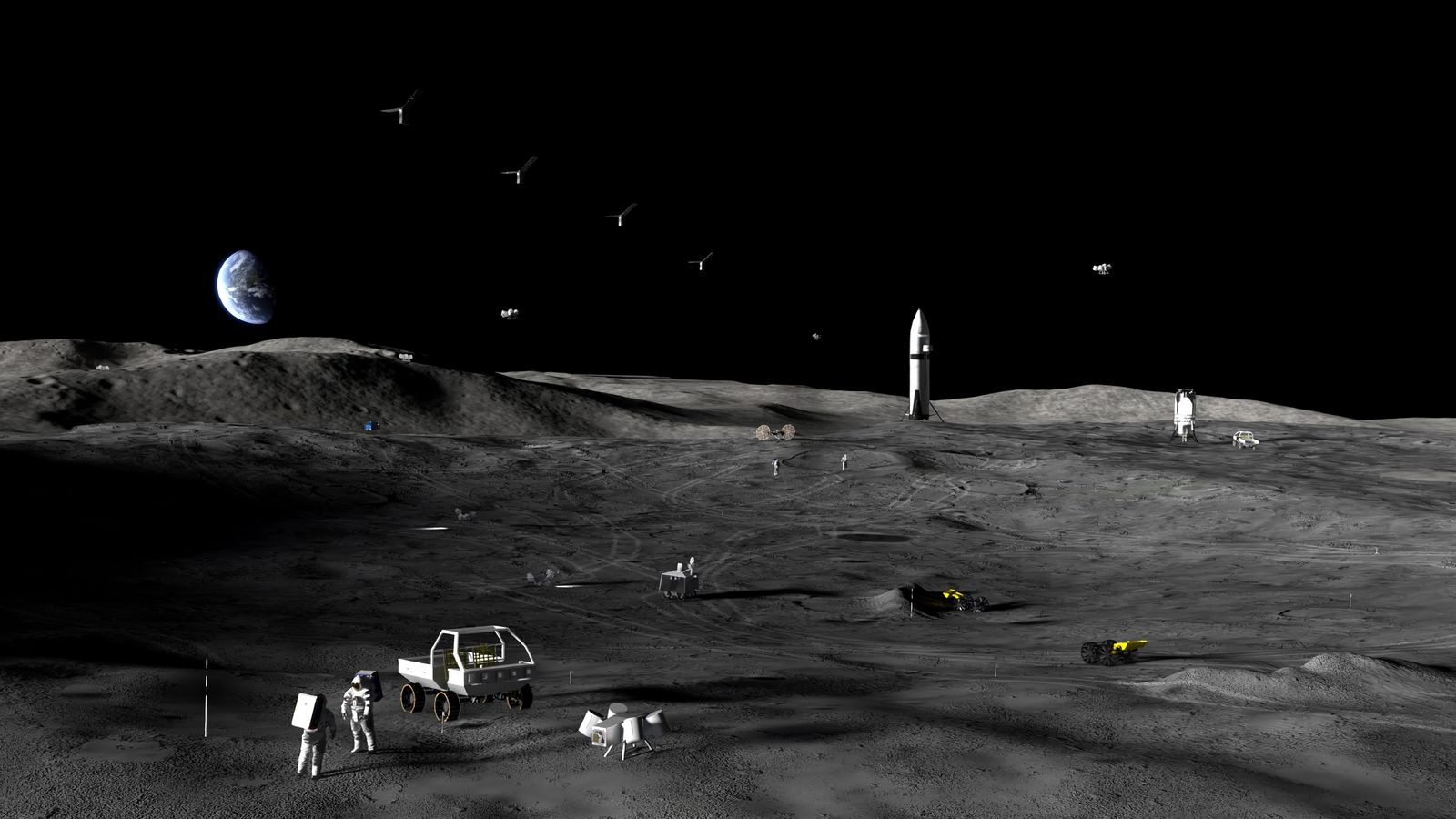
ภาพรวมแผนฐานบนดวงจันทร์ของ NASA
NASA ได้เปิดเผยแผนการอันทะเยอทะยานในการสร้างฐานมนุษย์ถาวรที่ขั้วใต้ของดวงจันทร์ ซึ่งถือเป็นก้าวสำคัญของโครงการ Artemis ที่ถูกปรับปรุงใหม่ แผนดังกล่าวครอบคลุมถึงการลงทุนมูลค่ามหาศาลและการร่วมมือกับภาคเอกชนเพื่อสร้างโครงสร้างพื้นฐานที่ซับซ้อนบนดวงจันทร์
การวิเคราะห์เชิงลึกทางธุรกิจและเทคโนโลยี
แผนการสร้างฐานบนดวงจันทร์ของ NASA ไม่ใช่แค่ความฝันทางวิทยาศาสตร์อีกต่อไป แต่เป็นโครงการพัฒนาโครงสร้างพื้นฐานขนาดใหญ่ที่มีผลกระทบทางธุรกิจอย่างมีนัยสำคัญ การลงทุนประมาณ 20,000 ล้านดอลลาร์สหรัฐภายใน 7 ปีสะท้อนให้เห็นถึงการเปลี่ยนแปลงเชิงกลยุทธ์จากการพึ่งพาจรวดรัฐบาล (SLS) สู่การใช้จรวดเชิงพาณิชย์จาก SpaceX และ Blue Origin ซึ่งเปิดประตูสู่ตลาดการขนส่งอวกาศมูลค่าหลายหมื่นล้านดอลลาร์ การสร้างเครือข่ายการสื่อสารสไตล์โทรศัพท์มือถือ ระบบ GPS ทางจันทรคติ และดาวเทียมสำรวจ จะสร้างระบบนิเวศเทคโนโลยีอวกาศใหม่ที่บริษัทซอฟต์แวร์และฮาร์ดแวร์สามารถเข้าไปมีส่วนร่วมได้ การกำหนดให้มีการลงจอดพร้อมลูกเรือทุก 6 เดือนสร้างความต้องการที่มั่นคงและต่อเนื่อง ซึ่งเป็นพื้นฐานสำคัญสำหรับการวางแผนธุรกิจระยะยาวของพันธมิตรเอกชน
ประเด็นสำคัญจากแผน
- งบประมาณและระยะเวลา: ลงทุน 20,000 ล้านดอลลาร์ ใน 7 ปี
- โครงสร้างพื้นฐานสำคัญ: ระบบพลังงานนิวเคลียร์และแสงอาทิตย์, ยานโรเวอร์มีคนขับและไร้คนขับ, เครือข่ายสื่อสารเสมือนโทรศัพท์มือถือ, ระบบ GPS ดวงจันทร์, และกลุ่มดาวเทียมสำรวจและสื่อสาร
- จรวดเชิงพาณิชย์: เปลี่ยนจากการใช้จรวด SLS ของรัฐบาล สู่การใช้จรวดจาก SpaceX, Blue Origin และคู่แข่งรายอื่น
- ความถี่ภารกิจ: ลงจอดบนดวงจันทร์พร้อมลูกเรือทุก 6 เดือน โดยใช้ผู้ให้บริการปล่อยจรวดอย่างน้อย 2 ราย
- กำหนดการสำคัญ: ทดสอบการนัดพบและเทียบท่าในวงโคจรต่ำปีหน้า, ภารกิจ Artemis IV และ V ในปี 2028
คำถามที่พบบ่อย (FAQ)
English Translation
Overview of NASA’s Lunar Base Plan
NASA has unveiled an ambitious plan to build a permanent human base at the Moon’s south pole, marking a significant step in the revised Artemis program. The plan encompasses massive investment and collaboration with the private sector to build complex lunar infrastructure.
Deep Business and Technology Analysis
NASA’s plan to build a lunar base is no longer just a scientific dream, but a major infrastructure development project with significant business impact. The investment of approximately $20 billion over seven years reflects a strategic shift from relying on the government-owned SLS rocket to using commercial rockets from SpaceX and Blue Origin, opening up a multi-billion dollar space transportation market. Building a cellphone-like communication network, a lunar GPS system, and observation satellites will create a new space technology ecosystem where software and hardware companies can participate. The schedule for crewed landings every six months creates stable, recurring demand, a critical foundation for long-term business planning by private partners.
Key Points from the Plan
- Budget and Timeline: Invest $20 billion over 7 years
- Key Infrastructure: Nuclear and solar power systems, crewed and uncrewed rovers, cellphone-like communication network, lunar GPS system, and constellations of observation and relay satellites
- Commercial Rockets: Transition from government SLS rocket to commercial rockets from SpaceX, Blue Origin, and other competitors
- Mission Frequency: Crewed lunar landings every six months, using at least two launch providers
- Key Milestones: Low-Earth orbit rendezvous and docking test next year, Artemis IV and V missions in 2028
Citation: National Geographic. (n.d.). What Happens After Artemis II? Retrieved from https://www.nationalgeographic.com/science/article/what-happens-after-artemis-ii