AI เปิดแผนสร้าง Data Center ใช้ก๊าซธรรมชาติ ปล่อยมลพิษเท่าทั้งประเทศ
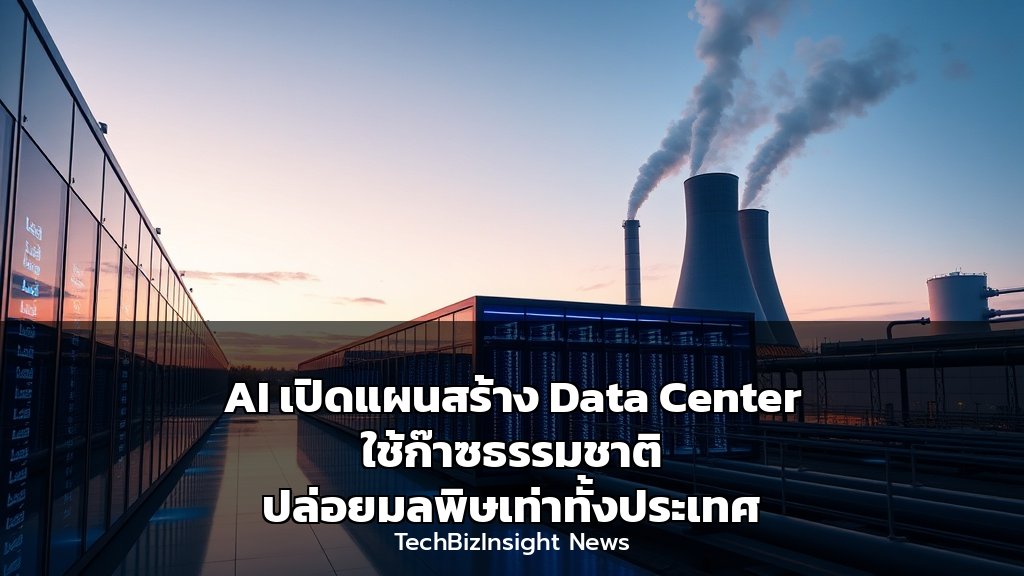
การเติบโตของ AI ที่มาพร้อมกับต้นทุนด้านสิ่งแวดล้อมที่อาจประเมินค่าต่ำไป การแข่งขันด้านปัญญาประดิษฐ์หรือ AI กำลังเร่งความเร็วอย่างไม่เคยมีมาก่อน โดยบริษัทเทคโนโลยียักษ์ใหญ่ต่างเร่งสร้างศูนย์ข้อมูลหรือ Data Center เพื่อป้อนพลังงานให้กับโมเดล AI ที่มีความซับซ้อนและต้องการทรัพยากรการประมวลผลมหาศาล อย่างไรก็ตาม แนวโน้มที่น่ากังวลกำลังปรากฏขึ้น จากรายงานการตรวจสอบใบอนุญาตก่อสร้างศูนย์ข้อมูลใหม่หลายแห่งที่ใช้ก๊าซธรรมชาติเป็นแหล่งพลังงานหลัก แทนที่จะเป็นโครงข่ายไฟฟ้าทั่วไป โครงการเหล่านี้ซึ่งเชื่อมโยงกับบริษัทชั้นนำเช่น OpenAI, Meta, Microsoft และ xAI อาจกลายเป็นแหล่งปล่อยก๊าซเรือนกระจกใหม่ที่ส่งผลกระทบร้ายแรงต่อสภาพภูมิอากาศของโลก
การวิเคราะห์เชิงลึก: ต้นทุนที่ซ่อนอยู่ของ AI Superpower
การตัดสินใจใช้ก๊าซธรรมชาติเพื่อขับเคลื่อนศูนย์ข้อมูลสำหรับ AI ไม่ใช่แค่การเลือกแหล่งพลังงาน แต่สะท้อนถึงความท้าทายพื้นฐานระหว่างความต้องการพลังงานที่เพิ่มขึ้นแบบทวีคูณของเทคโนโลยี กับเป้าหมายด้านความยั่งยืน ระบบ AI แบบ Large Language Models (LLMs) และการฝึกฝนโมเดลต้องการกำลังประมวลผลจากหน่วยประมวลผลกราฟิกหรือ GPU จำนวนมาก ซึ่งสร้างความร้อนสูงและต้องการระบบทำความเย็นที่ใช้พลังงานมาก การพึ่งพาก๊าซธรรมชาติโดยตรงที่สถานที่ตั้งของศูนย์ข้อมูล อาจดูเหมือนเป็นทางออกที่รวดเร็วเพื่อรับประกันความเสถียรและปริมาณพลังงานที่ต้องการ แต่ก็มาพร้อมกับข้อเสียระยะยาวที่สำคัญต่อทั้งภาพลักษณ์ทางธุรกิจและสิ่งแวดล้อม
- การปล่อยมลพิษโดยตรงในระดับอุตสาหกรรม: ศูนย์ข้อมูลที่เผาไหม้ก๊าซธรรมชาติในไซต์งานจะปล่อยก๊าซคาร์บอนไดออกไซด์ (CO2) และมีเทน (หากมีการรั่วไหล) โดยตรงสู่ชั้นบรรยากาศ การประเมินเบื้องต้นจากโครงการต่างๆ ชี้ว่าปริมาณการปล่อยก๊าซเรือนกระจกรวมอาจสูงกว่า 129 ล้านตันต่อปี ซึ่งเทียบได้กับการปล่อยมลพิษจากบางประเทศ ตัวเลขนี้ยังไม่รวมการปล่อยมลพิษทางอ้อมจากห่วงโซ่อุปทานและการก่อสร้าง
- ความเสี่ยงด้านการลงทุนและกฎระเบียบ: การลงทุนในโครงสร้างพื้นฐานเชื้อเพลิงฟอสซิลแบบใหม่ในยุคที่โลกกำลังเปลี่ยนผ่านสู่พลังงานสะอาด สร้างความเสี่ยงด้าน Stranded Asset หรือสินทรัพย์ติดหล่ม เมื่อกฎหมายคาร์บอนและมาตรการด้านสิ่งแวดล้อมเข้มงวดขึ้น บริษัทอาจต้องแบกรับต้นทุนเพิ่มเติมสำหรับเทคโนโลยีดักจับคาร์บอน หรือถูกปรับเนื่องจากไม่เป็นไปตามเป้าหมาย ESG (Environmental, Social, and Governance) ซึ่งส่งผลต่อความน่าดึงดูดใจในการลงทุน
- ความยืดหยุ่นทางพลังงานที่ลดลง: การผูกขาดกับก๊าซธรรมชาติทำให้ศูนย์ข้อมูลมีความยืดหยุ่นน้อยลงในการใช้พลังงานหมุนเวียนจากกริด ซึ่งในหลายพื้นที่กำลังเติบโตและมีราคาที่แข่งขันได้ การออกแบบที่พึ่งพาแหล่งพลังงานเดียวเพิ่มความเสี่ยงจากความผันผวนของราคาพลังงานในตลาดโลก
- ความขัดแย้งกับพันธสัญญาด้านสภาพภูมิอากาศ: การดำเนินการนี้ขัดแย้งโดยตรงกับคำมั่นสัญญาด้านความเป็นกลางทางคาร์บอน (Carbon Neutrality) ที่บริษัทเทคโนโลยีหลายแห่งได้ประกาศไว้ สร้างช่องว่างระหว่างนโยบายสาธารณะกับการปฏิบัติจริง ซึ่งอาจนำไปสู่ความเสียหายทางชื่อเสียงและการถูกตรวจสอบจากผู้บริโภคและนักกิจกรรม
The Hidden Cost of AI’s Appetite for Power
The race for artificial intelligence supremacy is accelerating at an unprecedented pace, with tech giants scrambling to build the data centers needed to power increasingly complex and resource-hungry AI models. However, a concerning trend is emerging. A review of permits for new data center projects reveals a shift towards using natural gas as a primary on-site power source, rather than drawing solely from the electrical grid. These projects, linked to industry leaders like OpenAI, Meta, Microsoft, and xAI, have the potential to become significant new sources of greenhouse gas emissions, with estimates suggesting a combined output of over 129 million tons annually—a carbon footprint rivaling that of entire nations.
Deep Dive Analysis: The Business and Environmental Implications of Gas-Powered AI
The move towards natural gas-powered data centers is not merely an energy choice; it highlights a fundamental tension between the exponential energy demands of cutting-edge technology and global sustainability goals. Training and running large language models (LLMs) requires immense computational power from thousands of graphics processing units (GPUs), which generate substantial heat and require energy-intensive cooling systems. Turning to on-site natural gas combustion can appear as a quick fix to ensure power stability and meet massive demand, but it introduces significant long-term strategic and environmental liabilities.
- Direct Industrial-Scale Emissions: Data centers burning natural gas on-site emit carbon dioxide (CO2) and, potentially through leaks, methane directly into the atmosphere. Preliminary assessments of planned projects indicate total annual greenhouse gas emissions could surpass 129 million tons. This figure does not even account for indirect emissions from supply chains and construction, placing a massive, direct carbon burden on the environment.
- Investment and Regulatory Risk: Investing in new fossil fuel infrastructure during a global clean energy transition creates a tangible stranded asset risk. As carbon pricing and environmental regulations become more stringent, companies may face hefty costs for retrofitting carbon capture technology or paying penalties for failing to meet their own Environmental, Social, and Governance (ESG) targets, ultimately affecting investor appeal.
- Reduced Energy Flexibility: Lock-in with natural gas reduces a data center’s flexibility to tap into growing and increasingly cost-competitive renewable energy sources from the grid. A design reliant on a single fuel source also increases exposure to volatility in global energy markets.
- Conflict with Climate Pledges: This operational strategy directly contradicts the carbon neutrality commitments publicly championed by many of these very tech firms. This gap between policy and practice opens the door to reputational damage and heightened scrutiny from consumers, activists, and regulators.
A report by WIRED, which analyzed permits for several major projects, provides detailed insight into the scale of these planned developments and their potential emissions. WIRED
FAQ
บริษัทเทคโนโลยีให้เหตุผลอะไรในการใช้ก๊าซธรรมชาติกับศูนย์ข้อมูล AI?
เหตุผลหลักที่มักถูกอ้างคือ ความต้องการพลังงานที่เสถียรและปริมาณมหาศาลในทันที การใช้เครื่องกำเนิดไฟฟ้าก๊าซธรรมชาติบนไซต์งานสามารถให้พลังงานสำรองหรือพลังงานหลักที่เชื่อถือได้ โดยไม่ต้องพึ่งพาโครงข่ายไฟฟ้าสาธารณะซึ่งในบางพื้นที่อาจไม่มีกำลังการผลิตเพียงพอหรือไม่เสถียรพอสำหรับงานที่ต้องใช้พลังงานสูงอย่างต่อเนื่องเช่น AI
มีทางเลือกที่เป็นพลังงานสะอาดสำหรับศูนย์ข้อมูล AI หรือไม่?
มีทางเลือกที่กำลังถูกพัฒนาอย่างจริงจัง ประกอบด้วย 1) การจัดหาพลังงานหมุนเวียน (เช่น โซลาร์ฟาร์ม, กังหันลม) โดยตรงให้กับศูนย์ข้อมูลผ่านข้อตกลงการซื้อขายพลังงาน (Power Purchase Agreements) 2) การลงทุนในเทคโนโลยีแบตเตอรี่กักเก็บพลังงานขนาดใหญ่เพื่อเก็บพลังงานสะอาดไว้ใช้เมื่อต้องการ 3) การออกแบบศูนย์ข้อมูลด้วยระบบทำความเย็นที่มีประสิทธิภาพสูงเพื่อลดการใช้พลังงานรวม 4) การเลือกตั้งศูนย์ข้อมูลในภูมิภาคที่มีโครงข่ายไฟฟ้าคาร์บอนต่ำหรือมีแหล่งพลังงานหมุนเวียนอุดมสมบูรณ์
json

{

  "@context": "https://schema.org",

  "@type": "FAQPage",

  "mainEntity": [{

    "@type": "Question",

    "name": "What is the reason tech companies give for using natural gas for AI data centers?",

    "acceptedAnswer": {

      "@type": "Answer",

      "text": "The primary reason cited is the need for immediate, massive, and stable power supply. On-site natural gas generators can provide reliable primary or backup power without relying on the public electrical grid, which in some regions may lack the sufficient capacity or stability required for the continuous, high-intensity compute loads of AI training and inference."

    }

  }, {

    "@type": "Question",

    "name": "Are there clean energy alternatives for powering AI data centers?",

    "acceptedAnswer": {

      "@type": "Answer",

      "text": "Yes, several alternatives are being actively pursued. These include: 1) Procuring renewable energy (e.g., from solar farms or wind plants) directly for data centers via Power Purchase Agreements (PPAs). 2) Investing in large-scale battery storage technology to hold clean energy for on-demand use. 3) Designing data centers with highly efficient cooling systems to reduce overall power consumption. 4) Strategically locating new data centers in regions with low-carbon grids or abundant renewable energy resources."

    }

  }]

}