การค้นหาโลกใบที่สองก้าวกระโดดครั้งใหญ่! ค้นพบดาวเคราะห์คล้ายโลกหลายดวง
การค้นหา “โลกใบที่สอง” ก้าวกระโดดครั้งใหญ่ นักวิทย์พบดาวเคราะห์คล้ายโลกหลายดวง
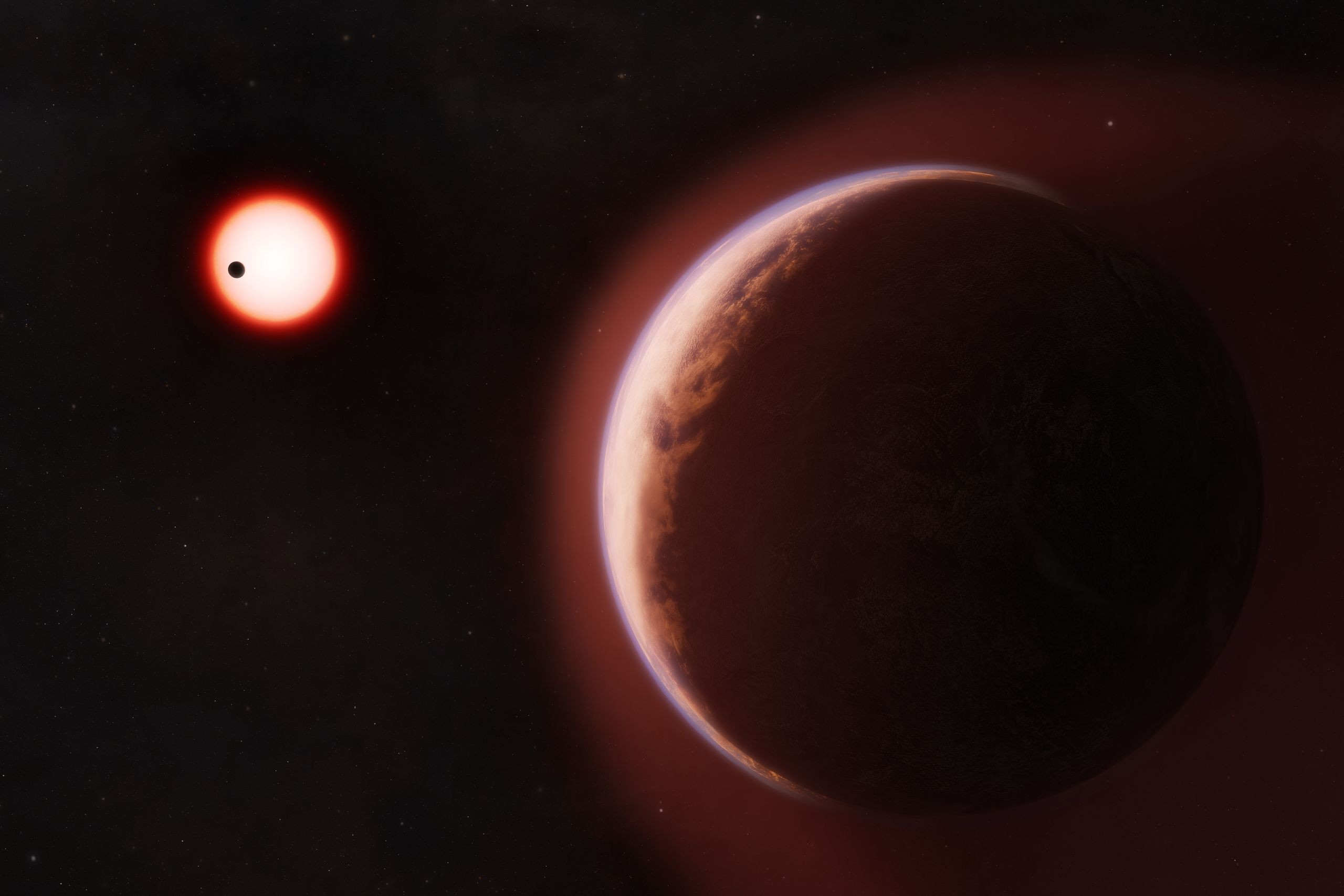
การค้นหาดาวเคราะห์นอกระบบสุริยะที่อาจเอื้อต่อสิ่งมีชีวิตกำลังเข้าสู่ยุคทอง หลังทีมนักวิทยาศาสตร์นานาชาติประกาศค้นพบดาวเคราะห์คล้ายโลกหลายดวงในระยะเวลาอันใกล้กัน การค้นพบครั้งนี้ไม่เพียงแต่เพิ่มจำนวนดาวเคราะห์ใน “เขตเอื้ออาศัยได้” (Habitable Zone) แต่ยังใช้เทคโนโลยีล้ำสมัยอย่างกล้องโทรทรรศน์อวกาศเจมส์ เวบบ์ (JWST) ในการวิเคราะห์ชั้นบรรยากาศโดยตรง ซึ่งถือเป็นก้าวสำคัญทางธุรกิจและเทคโนโลยีอวกาศ
การวิเคราะห์เชิงลึกในมุมธุรกิจและเทคโนโลยี:
การค้นพบเหล่านี้ไม่ได้มีความสำคัญแค่ทางดาราศาสตร์ แต่เป็นตัวชี้วัดการเติบโตของอุตสาหกรรมเทคโนโลยีอวกาศเชิงพาณิชย์ (NewSpace) การใช้ JWST ตรวจพบสารเคมีในบรรยากาศของดาว K2-18b เช่น ไดเมทิลซัลไฟด์ (DMS) แสดงให้เห็นถึงศักยภาพของเทคโนโลยีเซนเซอร์และเครื่องมือวิเคราะห์ระยะไกล ซึ่งสามารถนำไปต่อยอดเป็นธุรกิจให้บริการวิเคราะห์ดาวเคราะห์ (Planetary Analytics as a Service) สำหรับหน่วยงานรัฐและเอกชน
นอกจากนี้ การค้นพบดาวเคราะห์คล้ายโลกจำนวนมากในระยะใกล้ (150-124 ปีแสง) จะช่วยกระตุ้นการลงทุนในโครงการสำรวจระยะยาว เช่น การพัฒนาแท่นยานแม่หรือภารกิจระหว่างดวงดาว ซึ่งเป็นตลาดที่มีมูลค่ามหาศาลในอีก 10-20 ปีข้างหน้า
ประเด็นสำคัญที่ต้องจับตา:
– เทคโนโลยีการตรวจจับ: JWST พิสูจน์แล้วว่าสามารถวิเคราะห์สเปกตรัมบรรยากาศของดาวเคราะห์นอกระบบได้อย่างแม่นยำ
– การลดต้นทุน: การค้นพบหลายครั้งในคราวเดียวช่วยลดต้นทุนเฉลี่ยต่อการค้นพบ (Cost per Discovery) ในการสำรวจอวกาศ
– โอกาสทางธุรกิจ: อุตสาหกรรมการท่องเที่ยวอวกาศและดาราศาสตร์เชิงพาณิชย์ จะได้รับอานิสงส์จากความสนใจของสาธารณชนที่เพิ่มขึ้น
-
ความท้าทาย: ดาวเคราะห์อย่าง Proxima Centauri b ยังเผชิญกับรังสีอัลตราไวโอเลตสูง ขณะที่ Kepler 186f ต้องรอการสังเกตการณ์ทรานซิทนานถึง 1 ปี
-
ศักยภาพของ K2-18b: การพบ DMS ซึ่งเป็น “ไบโอมาร์คเกอร์” บนโลก ถือเป็นหลักฐานที่แข็งแกร่งที่สุดเท่าที่เคยมีมา แต่ต้องรอการยืนยันด้วยข้อมูลเพิ่มเติม
Full English Translation:
The search for a second Earth has taken a giant leap! Scientists have discovered multiple Earth-like planets. This marks a golden age in the search for exoplanets potentially capable of hosting life. An international team of scientists has announced the discovery of several Earth-like planets in close succession. This discovery not only increases the number of planets in the “Habitable Zone” but also utilizes cutting-edge technology like the James Webb Space Telescope (JWST) to directly analyze their atmospheres, a significant step forward for the space business and technology.
Deep Analysis from Business and Tech Perspective: These discoveries are not just astronomically significant; they are key indicators of the growth of the commercial space technology (NewSpace) industry. The use of JWST to detect chemicals in the atmosphere of K2-18b, such as dimethyl sulfide (DMS), demonstrates the potential of long-range sensor and analysis technology. This can be commercialized as “Planetary Analytics as a Service” for government and private entities. Furthermore, the discovery of multiple Earth-like planets in relative proximity (150-124 light-years) will stimulate long-term investment in exploration projects, such as mothership starcraft or interstellar missions, which represent a massive market over the next 10-20 years.
Key Takeaways:
– Detection Technology: JWST has proven capable of accurately analyzing the atmospheric spectra of exoplanets.
– Cost Reduction: Multi-discoveries lower the average cost per discovery in space exploration.
– Business Opportunity: The space tourism and commercial astronomy industries will benefit from increased public interest.
– Challenge: Planets like Proxima Centauri b face high UV radiation, while Kepler 186f requires waiting up to a year for transit observations.
– Potential of K2-18b: The detection of DMS, a “biomarker” on Earth, is the strongest evidence yet, but requires further data confirmation.
One Citation Link:
Source: https://futurism.com/breaking-news-nasa-just-announced-the-discovery-of-a-second-earth