สุดยอดอะแดปเตอร์เดินทาง 2026: เทคโนโลยีชาร์จไว และพกพาสะดวก
บทนำ: ในยุคที่ทุกการเดินทางต้องพึ่งพาอุปกรณ์อิเล็กทรอนิกส์ ไม่ว่าจะเป็นสมาร์ทโฟน แท็บเล็ต หรือหูฟังตัดเสียงรบกวน การเลือกซื้ออะแดปเตอร์เดินทางที่เหมาะสมจึงเป็นมากกว่าเรื่องของความสะดวก แต่มันคือการลงทุนทางเทคโนโลยีที่ส่งผลต่อประสิทธิภาพในการทำงานและการพักผ่อนของคุณโดยตรง หลายคนอาจคิดว่าอะแดปเตอร์เป็นแค่ตัวต่อปลั๊กธรรมดา แต่ในความเป็นจริงแล้ว ในปี 2026 อะแดปเตอร์คุณภาพสูงมีเทคโนโลยีชาร์จไฟอัจฉริยะ ระบบป้องกันความร้อน และพอร์ต USB-C ที่รองรับการชาร์จเร็ว ซึ่งส่งผลต่อความรวดเร็วในการทำงานและความปลอดภัยของอุปกรณ์ราคาแพงของคุณ บทความนี้จะเจาะลึกถึงทางเลือกที่ดีที่สุดระหว่างอะแดปเตอร์แบบยูนิเวอร์แซลที่ใช้งานได้กับทุกประเทศ กับอะแดปเตอร์เดี่ยวที่เน้นการพกพาสะดวกที่สุด พร้อมวิเคราะห์ผลกระทบทางธุรกิจและเทคโนโลยีที่ซ่อนอยู่เบื้องหลังอุปกรณ์ชิ้นเล็กๆ นี้
วิเคราะห์เชิงลึก
การตัดสินใจเลือกใช้อะแดปเตอร์เดินทางในปี 2026 ไม่ใช่แค่เรื่องของขนาดหรือราคา แต่สะท้อนถึงพฤติกรรมการใช้งานเทคโนโลยีของแต่ละคน การวิเคราะห์จากแหล่งข้อมูลชั้นนำพบว่ามีสองกลุ่มหลักที่ชัดเจน:
- อะแดปเตอร์เดี่ยว (Individual Plug Adapters): เหมาะสำหรับนักเดินทางที่ต้องการความเบาและเรียบง่ายที่สุด เป็น “เทคโนโลยีแบบโมดูลาร์” ที่มีน้ำหนักเกือบเป็นศูนย์ เหมาะกับผู้ที่ชื่นชอบการพกพาอุปกรณ์เสริมน้อยชิ้น และมักมีที่ชาร์จ USB หลายพอร์ต (Multiport Charger) อันโปรดอยู่แล้ว ผลกระทบทางธุรกิจคือ การลดภาระในการพกพาช่วยเพิ่มประสิทธิภาพการทำงานระหว่างเดินทาง เพราะคุณไม่ต้องเสียเวลาจัดการกับสายไฟที่รกๆ แต่ต้องระวังเรื่องการต่อสายดิน (Grounded) โดยเฉพาะกับอุปกรณ์ที่ใช้ปลั๊กสามขา เช่น แล็ปท็อป ซึ่งอาจทำให้เกิดอาการเสียวซ่าที่ผิวโลหะได้เล็กน้อย แม้จะไม่เป็นอันตรายร้ายแรง แต่ก็เป็นเรื่องของประสบการณ์การใช้งานที่ควรคำนึงถึง
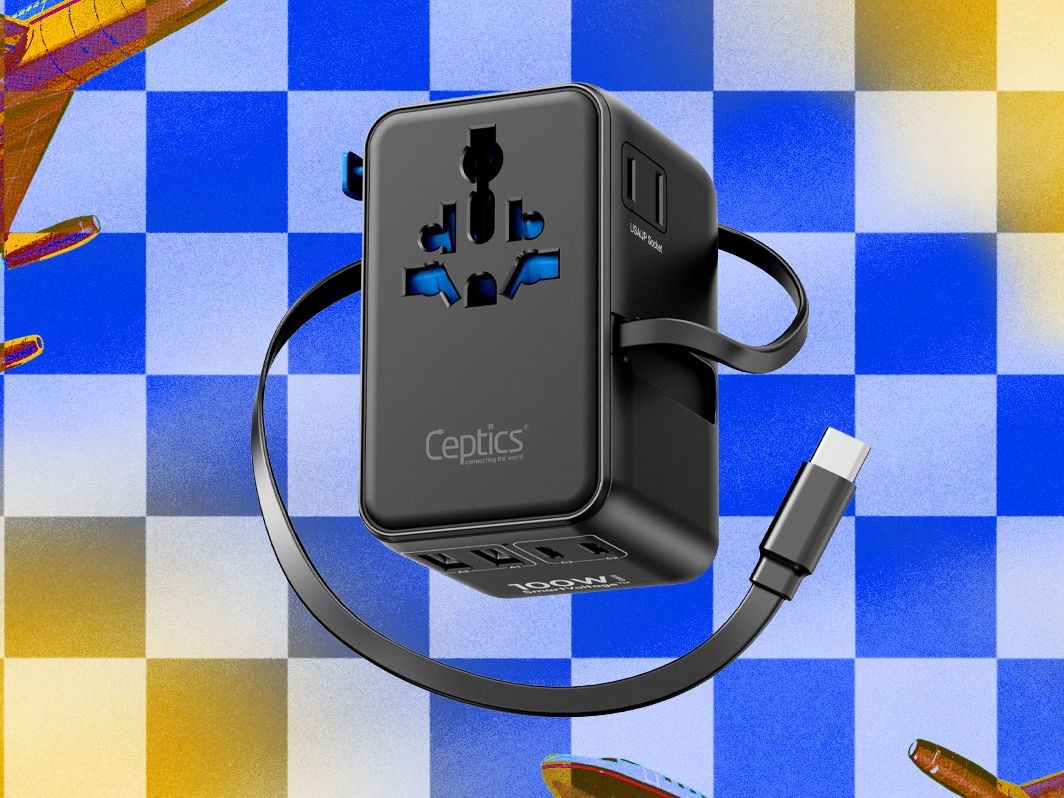
- อะแดปเตอร์ยูนิเวอร์แซล (Universal Travel Adapters): เป็นทางเลือกแบบ “All-in-One” ที่เน้นความสะดวกสูงสุด มีพอร์ต USB ในตัว ตัดปัญหาการพกพาที่ชาร์จแยก อย่างไรก็ตาม มีข้อเสียที่ชัดเจนคือขนาดที่ใหญ่กว่า และที่สำคัญคือ “ความเร็วในการชาร์จ” ซึ่งเป็นจุดอ่อนทางเทคโนโลยีที่มืออาชีพไม่ควรมองข้าม อะแดปเตอร์ยูนิเวอร์แซลที่มีพอร์ต USB มักจะจ่ายไฟรวมต่ำ ตัวอย่างเช่น ในรายงานของ Wired ระบุว่าอะแดปเตอร์ยี่ห้อดังบางรุ่นมีกำลังไฟรวมเพียง 15W ซึ่งถือว่าช้าเกินไปสำหรับการชาร์จอุปกรณ์สมัยใหม่ที่รองรับการชาร์จเร็ว (Fast Charging) เช่น สมาร์ทโฟนเรือธงที่รองรับ 45W ขึ้นไป ผลกระทบคือเสียเวลาในการรอคอย ซึ่งส่งผลต่อประสิทธิภาพการทำงานโดยตรง
ประเด็นทางเทคนิคที่นักเดินทางมืออาชีพต้องรู้:
- อะแดปเตอร์ vs. ตัวแปลงแรงดันไฟฟ้า (Voltage Converter): ข้อแตกต่างที่สำคัญที่สุดที่หลายคนมองข้าม อะแดปเตอร์มีหน้าที่เปลี่ยนรูปทรงปลั๊กเท่านั้น ในขณะที่อุปกรณ์อิเล็กทรอนิกส์สมัยใหม่ส่วนใหญ่ (โดยเฉพาะสมาร์ทโฟนและแล็ปท็อป) สามารถรองรับแรงดันไฟฟ้า 100-240V ได้อยู่แล้ว แต่เครื่องใช้ไฟฟ้าที่มีมอเตอร์ เช่น ที่ไดร์เป่าผม มักจะทำงานที่ 110V เท่านั้น หากเสียบเข้ากับปลั๊ก 220V โดยตรงโดยไม่มีตัวแปลง อาจทำให้เครื่องพังได้ทันที
- การเลือกใช้ USB Port ที่มีคุณภาพ: หลีกเลี่ยงการใช้พอร์ต USB ในโรงแรม เพราะมักมีกระแสไฟต่ำ (Low Current) ทำให้ชาร์จช้า แนะนำให้ใช้ที่ชาร์จแบบติดผนัง (Wall Charger) ที่มีพอร์ต USB-C รองรับ Power Delivery (PD) ร่วมกับอะแดปเตอร์เดินทางแบบเดี่ยว เพื่อประสิทธิภาพสูงสุด
คำแนะนำจากผู้เชี่ยวชาญในอุตสาหกรรม: การพกพาอะแดปเตอร์สำรองแบบพื้นฐานราคาถูกติดกระเป๋าไว้สักตัว เป็นกลยุทธ์ที่ชาญฉลาด เพราะอะแดปเตอร์อัจฉริยะราคาแพงก็มีโอกาสเสียได้ การมีอะแดปเตอร์ราคาประหยัดไว้เป็นแบ็คอัพจะช่วยให้คุณไม่ต้องตื่นตระหนกหาซื้อในสนามบินต่างประเทศตอนเที่ยงคืน
FAQ (คำถามที่พบบ่อย)
- อะแดปเตอร์แบบ Universal กับการชาร์จเร็ว (Fast Charging) เข้ากันได้หรือไม่?
อะแดปเตอร์ Universal ส่วนใหญ่มีข้อจำกัดเรื่องกำลังไฟรวมของพอร์ต USB ซึ่งมักจะต่ำกว่า 30W ทำให้ไม่สามารถรองรับการชาร์จเร็วของสมาร์ทโฟนหรือแท็บเล็ตรุ่นใหม่ๆ ได้เต็มประสิทธิภาพ หากคุณต้องการความเร็วสูง ควรเลือกอะแดปเตอร์เดี่ยวร่วมกับที่ชาร์จ USB-C ที่รองรับมาตรฐาน Power Delivery (PD) โดยเฉพาะ - ปลั๊กสามขา (Grounded) ใช้กับอะแดปเตอร์แบบไม่ต่อสายดิน (Ungrounded) ได้หรือไม่?
สามารถใช้งานได้ แต่ทางเทคนิคแล้วอาจเกิด “ไฟรั่ว” เล็กน้อย ทำให้สัมผัสได้ถึงอาการเสียวซ่าที่ตัวเครื่อง โดยเฉพาะกับอุปกรณ์ที่มีตัวเครื่องเป็นโลหะ เช่น แล็ปท็อป แม้จะไม่เป็นอันตรายร้ายแรงในทันที แต่เพื่อความปลอดภัยสูงสุดและอายุการใช้งานของอุปกรณ์ โดยเฉพาะอุปกรณ์อิเล็กทรอนิกส์ราคาแพง ควรเลือกใช้อะแดปเตอร์ที่มีขาสำหรับต่อสายดินโดยเฉพาะ
Full English Article
Introduction
In an era where every trip relies on electronics, from smartphones and tablets to noise-canceling headphones, choosing the right travel adapter is more than a matter of convenience. It is a technological investment that directly impacts your work efficiency and leisure time. Many see an adapter as a simple plug converter, but in reality, in 2026, high-quality adapters feature smart charging technology, thermal protection, and USB-C ports supporting fast charging. These features affect the speed of your work and the safety of your expensive devices. This article delves deep into the choice between universal adapters, which work in almost every country, and individual plug adapters, which prioritize portability, while analyzing the business and tech implications behind these compact devices.
Deep Dive Analysis
The choice of travel adapter in 2026 is not just about size or price but reflects an individual’s technological usage habits. Analysis from leading sources reveals two main groups:
- Individual Plug Adapters: Ideal for travelers who prioritize lightness and simplicity. These are “modular technology” with near-zero weight, perfect for those who already prefer a favorite multiport USB charger. The business impact is enhanced travel efficiency; you save time by not managing a messy cable setup. However, caution is needed regarding grounding (Grounded), especially for devices with three-prong plugs like laptops, as an ungrounded adapter can cause a slight tingling sensation on metal surfaces. While generally not dangerous, it’s a user experience consideration.
- Universal Travel Adapters: This is an “All-in-One” choice focused on maximum convenience, with built-in USB ports, eliminating the need for a separate charger. However, there are clear drawbacks: larger size and, critically, “charging speed,” a technical weakness professionals should not ignore. Universal adapters with USB ports often have a low total power output. For example, a report from Wired noted that some popular brands have a total power output of only 15W, which is too slow for modern devices supporting fast charging (e.g., flagship smartphones supporting 45W and above). The impact is wasted waiting time, directly affecting work productivity.
Key Technical Points for Professional Travelers:
- Adapter vs. Voltage Converter: The most important distinction often overlooked. An adapter only changes the plug shape. Modern electronic devices (especially smartphones and laptops) already support 100-240V, but motorized appliances like hair dryers usually work only at 110V. Plugging them directly into a 220V outlet without a converter can destroy the device instantly.
- Choosing High-Quality USB Ports: Avoid using in-hotel USB ports as they often have low output (Low Current), leading to slow charging. It is recommended to use a high-quality wall charger with USB-C supporting Power Delivery (PD) in conjunction with a single travel adapter for optimal performance.
Expert Industry Advice: Carrying a cheap, basic backup adapter in your bag is a smart strategy. Smart, expensive adapters can fail. Having a cheap backup saves you from panicking to find a replacement at a foreign airport at midnight.
Source Reference
Wirecutter: Best Travel Plug Adapter
FAQ (Frequently Asked Questions)
1. Can a Universal adapter support Fast Charging?
Most Universal adapters have a limited total power output for their USB ports, often below 30W. This prevents them from fully supporting the fast charging standards of modern smartphones or tablets. For maximum speed, choose an individual adapter with a dedicated USB-C charger that supports Power Delivery (PD).
2. Can I use a three-prong (Grounded) plug with an Ungrounded adapter?
You can physically use it, but technically there might be a slight “leakage current,” causing a tingling sensation on the device’s metal chassis, especially with metal-bodied devices like laptops. While not an immediate danger, for optimal safety and lifespan of expensive electronics, a dedicated grounded adapter or a universal adapter with a grounding pin is recommended.