Nuro คว้าใบอนุญาตทดสอบไร้คนขับ ปูทางสู่แท็กซี่ไร้คนขับสุดล้ำของ Uber
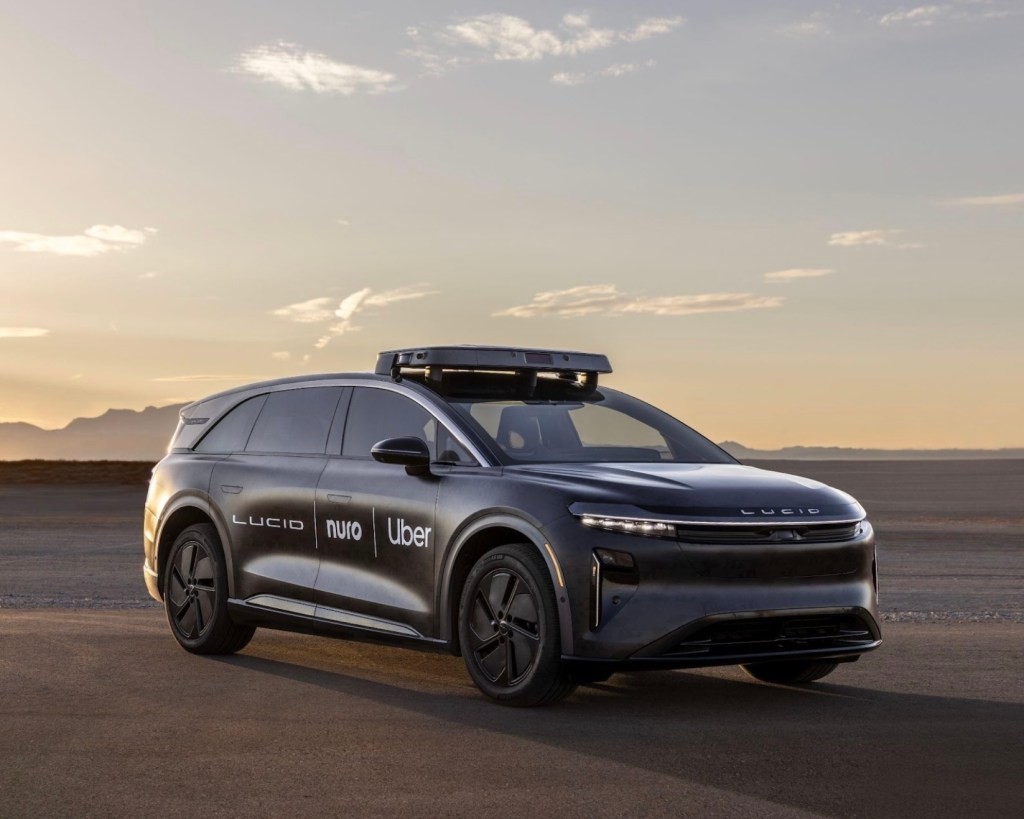
การขับเคลื่อนสู่อนาคตของยานยนต์ไร้คนขับกำลังก้าวไปอีกขั้น เมื่อ Nuro สตาร์ทอัพด้านเทคโนโลยีขับเคลื่อนอัตโนมัติ ได้รับใบอนุญาตทดสอบรถยนต์ไร้คนขับบนถนนสาธารณะในแคลิฟอร์เนีย โดยไม่ต้องมีพนักงานขับรถสำรองนั่งอยู่หลังพวงมาลัย ใบอนุญาตนี้ถือเป็นกุญแจสำคัญในการปลดล็อกบริการแท็กซี่ไร้คนขับสุดพรีเมียมของ Uber ที่กำลังจะเกิดขึ้น ซึ่งจะใช้เทคโนโลยีของ Nuro และรถยนต์ไฟฟ้าจาก Lucid Motors การอนุมัตินี้ไม่ได้มาเพียงแค่ชั่วข้ามคืน แต่เป็นผลจากความพยายามหลายปีและการปรับเปลี่ยนกลยุทธ์ทางธุรกิจครั้งใหญ่ของ Nuro
เจาะลึก: ผลกระทบทางธุรกิจและเทคโนโลยีเบื้องหลัง
จุดเปลี่ยนทางกลยุทธ์ของ Nuro: จากหุ่นยนต์ส่งของสู่ผู้ให้บริการลิขสิทธิ์เทคโนโลยี
Nuro เคยมีชื่อเสียงในฐานะผู้ผลิตรถยนต์ส่งของไร้คนขับขนาดเล็ก (R2) ซึ่งได้รับใบอนุญาตทดสอบไร้คนขับตั้งแต่ปี 2020 ก่อนที่คู่แข่งรายอื่นจะทำได้ อย่างไรก็ตาม การดำเนินธุรกิจโมเดลนี้ต้องเผชิญกับอุปสรรคด้านต้นทุนและความยากในการขยายผล สตาร์ทอัพจึงตัดสินใจ ปรับเปลี่ยนโมเดลธุรกิจครั้งใหญ่ โดยหันมาเป็นผู้ให้บริการลิขสิทธิ์ระบบขับเคลื่อนอัตโนมัติให้กับบริษัทอื่น แทนที่จะผลิตและดำเนินการรถของตัวเอง การตัดสินใจครั้งนี้เปิดทางสู่พันธมิตรระดับ巨头อย่าง Uber และ Lucid Motors
ดีลสามเส้า: Nuro, Uber และ Lucid Motors
ความร่วมมือครั้งนี้เป็นมากกว่าการทดสอบทั่วไป โดยในเดือนกรกฎาคม 2025 Uber ประกาศลงทุน 300 ล้านดอลลาร์สหรัฐ (ประมาณ 10,500 ล้านบาท) ใน Lucid Motors และสั่งซื้อรถยนต์ไร้คนขับ Gravity จำนวน 20,000 คัน การลงทุนดังกล่าวได้ขยายเป็น 500 ล้านดอลลาร์สหรัฐ (ประมาณ 17,500 ล้านบาท) และเพิ่มจำนวนรถเป็นอย่างน้อย 35,000 คัน ซึ่งรวมถึง:
- Lucid Gravity SUV อย่างน้อย 10,000 คัน
- รถยนต์ไฟฟ้าที่สร้างบนแพลตฟอร์มขนาดกลางรุ่นใหม่ของ Lucid อีก 25,000 คัน
รถยนต์เหล่านี้จะติดตั้ง ระบบขับเคลื่อนอัตโนมัติของ Nuro ซึ่งขับเคลื่อนด้วยชิปประมวลผล Nvidia Drive AGX Thor อันทรงพลัง และมาพร้อมเซ็นเซอร์ครบครัน:
- กล้องความละเอียดสูง
- เซ็นเซอร์ LiDAR แบบโซลิดสเตท
- เรดาร์
ระบบนี้ช่วยให้รถสามารถรับรู้สภาพแวดล้อมจริงและขับเคลื่อนได้อย่างปลอดภัย Uber ยังได้ลงทุนหลายล้านดอลลาร์ใน Nuro อีกด้วย ทำให้ความสัมพันธ์แน่นแฟ้นยิ่งขึ้น
อุปสรรคด้านกฎระเบียบ: เส้นทางสู่การให้บริการจริง
การได้รับใบอนุญาตทดสอบไร้คนขับจากกรมยานยนต์แห่งแคลิฟอร์เนีย (DMV) ถือเป็นก้าวสำคัญ แต่ยังไม่ใช่ขั้นตอนสุดท้าย Nuro ยังต้องผ่านด่านสำคัญอื่นๆ อีก:
- ใบอนุญาตให้บริการเรียกรถโดยสารไร้คนขับ จากคณะกรรมการสาธารณูปโภคแห่งแคลิฟอร์เนีย (CPUC)
- ใบอนุญาตการใช้งานเชิงพาณิชย์ (Deployment Permit) จาก DMV
ปัจจุบัน Nuro และ Uber กำลังทดสอบรถยนต์ Lucid ในโหมดขับเคลื่อนอัตโนมัติโดยมีพนักงานขับรถสำรอง และเพิ่งขยายการทดสอบให้พนักงานของ Uber สามารถเรียกใช้บริการผ่านแอป Uber ได้แล้ว แต่ยังคงมีพนักงานสำรองอยู่
บทสรุป: ผลกระทบต่ออุตสาหกรรม
การพัฒนานี้ชี้ให้เห็นถึงแนวโน้มสำคัญในวงการเทคโนโลยี:
- การเปลี่ยนผ่านโมเดลธุรกิจ: การล้มเลิกธุรกิจหลักเพื่อหันมาให้บริการลิขสิทธิ์เทคโนโลยีอาจเป็นหนทางรอดที่ชาญฉลาดสำหรับสตาร์ทอัพ
- การรวมตัวของพันธมิตร: ดีลสามเส้าระหว่าง Nuro (เทคโนโลยี), Lucid Motors (ฮาร์ดแวร์รถยนต์) และ Uber (แพลตฟอร์มบริการ) สร้างระบบนิเวศที่แข็งแกร่ง
- อำนาจของ NVIDIA: การใช้ชิป Drive AGX Thor ตอกย้ำบทบาทของ NVIDIA ในฐานะผู้เล่นหลักในห่วงโซ่อุปทานรถยนต์ไร้คนขับ
FAQ – คำถามที่พบบ่อย
คำถาม: ใบอนุญาตนี้แตกต่างจากใบอนุญาตเดิมของ Nuro อย่างไร?
คำตอบ: ใบอนุญาตเดิมของ Nuro จำกัดเฉพาะการทดสอบรถส่งของความเร็วต่ำ (R2) เท่านั้น ใบอนุญาตใหม่นี้เปิดทางให้ Nuro ทดสอบรถยนต์นั่งส่วนบุคคล (Lucid Gravity) บนถนนสาธารณะโดยไม่มีพนักงานขับรถสำรอง ซึ่งเป็นก้าวสำคัญในการพัฒนารถแท็กซี่ไร้คนขับสำหรับผู้โดยสาร
คำถาม: อะไรคือความท้าทายที่ใหญ่ที่สุดก่อนที่ Uber จะเปิดให้บริการแท็กซี่ไร้คนขับได้จริง?
คำตอบ: ความท้าทายหลักคืออุปสรรคด้านกฎระเบียบ นอกจากใบอนุญาตทดสอบแล้ว Nuro ยังต้องขอใบอนุญาตให้บริการเรียกรถโดยสารไร้คนขับจาก CPUC และใบอนุญาตการใช้งานเชิงพาณิชย์จาก DMV ซึ่งเป็นกระบวนการที่ต้องผ่านการตรวจสอบความปลอดภัยและการมีส่วนร่วมของชุมชนอย่างละเอียด
Nuro Granted Driverless Testing Permit: Paving the Way for Uber’s Premium Robotaxi Service
Nuro, an autonomous driving technology startup, has secured a new driverless testing permit from the California Department of Motor Vehicles (DMV). This permit is crucial for advancing its partnership with Uber and Lucid Motors to launch a premium robotaxi service. Unlike Nuro’s previous permit, which only covered low-speed delivery vehicles, this new authorization allows Nuro to test Lucid vehicles on public roads without a human safety operator behind the wheel. This marks a significant strategic pivot for the company, moving from being a robotaxi operator to a technology licensor.
Deep Dive Analysis: Business Impact and Technology
Nuro’s Strategic Pivot: From Last-Mile Delivery to Tech Licensing
Nuro originally held a driverless permit for six years, but it was exclusively for its low-speed R2 delivery vehicle. The company scrapped that program to refocus its business model on licensing its autonomous driving system to partners like Uber. This strategic pivot proved to be a masterstroke, allowing Nuro to leverage its core technology without the heavy capital expenditure of manufacturing and operating its own fleet. The new permit validates this approach, enabling Nuro to test passenger vehicles.
The Three-Way Deal: Uber, Lucid, and Nuro
The partnership is a complex ecosystem. In July 2025, Uber committed to a $300 million investment in Lucid Motors and agreed to purchase 20,000 robotaxi-ready Gravity vehicles. This commitment has since expanded to $500 million and a minimum of 35,000 robotaxis, consisting of at least 10,000 Gravity SUVs and 25,000 EVs built on Lucid’s upcoming mid-size platform. These vehicles will be outfitted with Nuro’s autonomous system, powered by Nvidia’s Drive AGX Thor computer. The sensor suite includes:
- High-resolution cameras
- Solid-state lidar sensors
- Radars
This hardware allows the self-driving system to perceive and navigate the real world. Uber has also made a separate multimillion-dollar investment in Nuro itself Nuro receives driverless testing permit ahead of Uber robotaxi service launch.
Regulatory Hurdles and Path to Commercial Launch
The driverless testing permit is one of many regulatory milestones. Nuro must also secure a driverless ride-hailing permit from the California Public Utilities Commission (CPUC) and a deployment permit from the DMV before Uber can launch the service. Currently, Nuro and Uber are testing Lucid vehicles with a human safety operator. Last month, testing expanded to allow Uber employees to request rides via the Uber app, though operators remain for now. As Nuro progresses, the company is also engaging in community education with local law enforcement and first responders in Mountain View, California, a critical step mandated by the DMV.
Conclusion: A Blueprint for the Autonomous Future
This development signals a mature phase for the autonomous vehicle industry. The partnership model—combining a tech startup (Nuro), an EV manufacturer (Lucid), and a mobility platform (Uber)—creates a vertically integrated yet specialized ecosystem. The heavy reliance on Nvidia’s compute platform further cements its role as the backbone of the autonomous driving supply chain. The successful launch of this service could set a new benchmark for urban mobility and robotaxi business models.