Google Health: แอปสุขภาพใหม่มาแรง แต่เสียงเรียกร้องให้คืนแอป Fitbit ยังไม่จางหาย
บทนำภาษาไทย
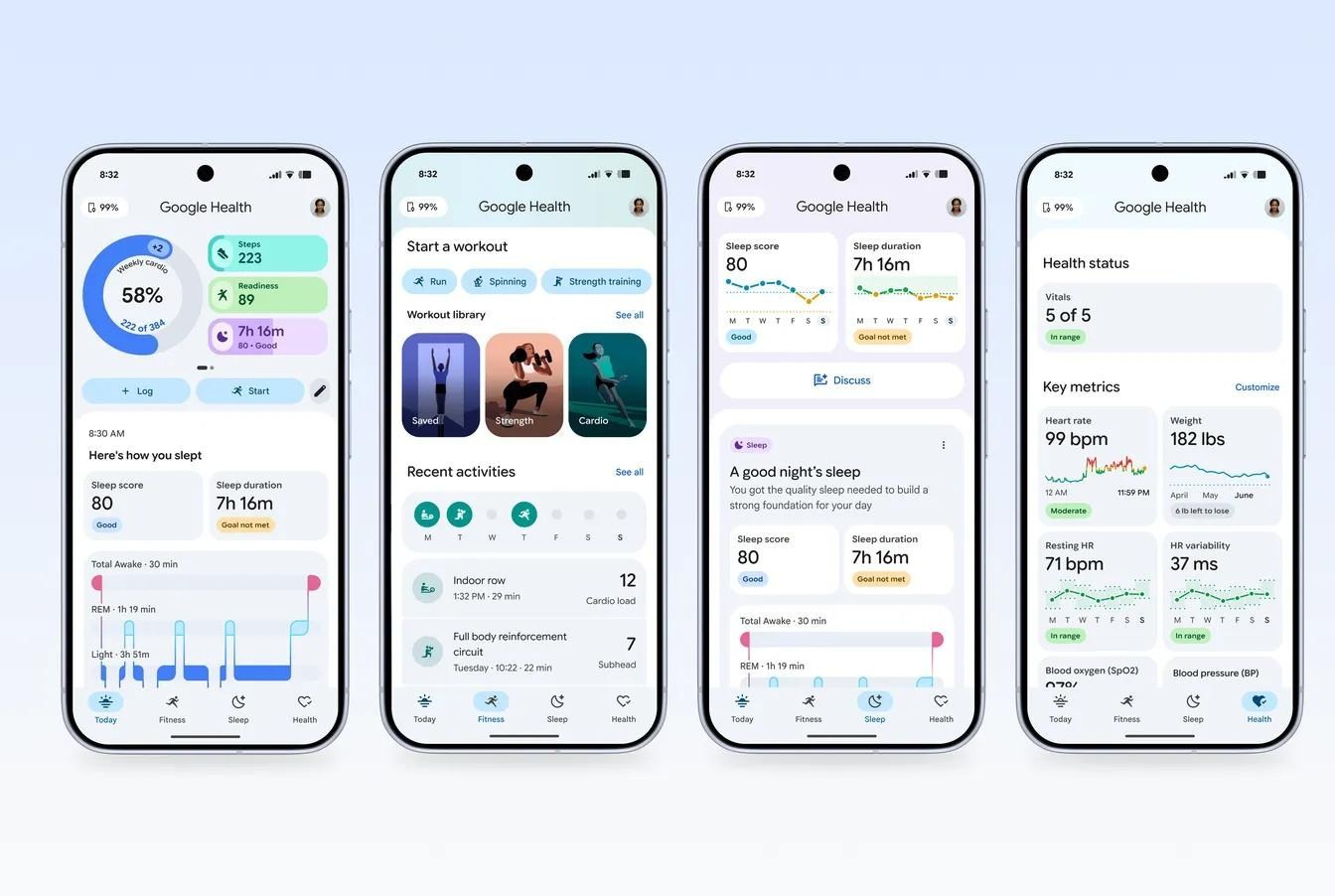
Google Health แอปรวมข้อมูลสุขภาพตัวใหม่จาก Google ถูกปล่อยตัวแล้ว พร้อมฟีเจอร์ใหม่มากมาย อย่างไรก็ตาม เสียงตอบรับจากผู้ใช้จำนวนมากกลับเต็มไปด้วยความคิดถึงแอป Fitbit ดั้งเดิม ซึ่งเป็นที่มาของความขัดแย้งครั้งสำคัญในโลกเทคโนโลยีสุขภาพ
วิเคราะห์เชิงลึกในมุมธุรกิจเทคโนโลยี
- กลยุทธ์การรีแบรนด์ที่เสี่ยง: การเปลี่ยนชื่อแอป Fitbit เป็น Google Health เป็นการตัดสินใจทางธุรกิจที่มุ่งสร้างเอกภาพของระบบนิเวศ Google โดยใช้ประโยชน์จากแบรนด์ที่แข็งแกร่งและความน่าเชื่อถือของ Google เพื่อดึงดูดผู้ใช้ใหม่ที่อาจมองข้าม Fitbit แบรนด์ที่ถูกมองว่าเป็นอุปกรณ์สวมใส่เท่านั้น อย่างไรก็ตาม การเปลี่ยนแปลงนี้เสี่ยงต่อการสูญเสียฐานผู้ใช้ที่ภักดีต่อ DNA ของ Fitbit ซึ่งมีเอกลักษณ์เฉพาะตัวในด้านโซเชียลฟิตเนส (Challenges) และอินเทอร์เฟซที่เรียบง่ายและเข้าใจง่าย
- การเพิ่มประสิทธิภาพ (Efficiency Gains): จากมุมมองทางเทคนิค Google Health นำเสนอการรวมศูนย์ข้อมูล (Unified Data Hub) ที่เหนือกว่า โดยรองรับทั้ง Health Connect ของ Android และ HealthKit ของ Apple สิ่งนี้ทำให้แอปเป็น “ตัวกลาง” ที่สามารถรวบรวมข้อมูลจากอุปกรณ์และแอปต่างๆ ได้หลากหลาย สร้าง Ecosystem Lock-in ที่แข็งแกร่ง ซึ่งเป็นกลยุทธ์สำคัญในการเพิ่ม Lifetime Value (LTV) ของผู้ใช้แต่ละราย และลดอัตราการเปลี่ยนไปใช้บริการคู่แข่ง (Churn Rate)
- การถอดและเพิ่มฟีเจอร์: การนำฟีเจอร์ Challenges กลับมาเป็นตัวอย่างของการเรียนรู้จาก Feedback Loop ที่มีมูลค่ามหาศาล (500,000+ ผู้ใช้ใน Beta และ 1 ล้านเสียง反馈) การตัดสินใจทางธุรกิจนี้แสดงให้เห็นว่า Google กำลังใช้ Data-Driven Decision Making เพื่อกำหนด Roadmap ของผลิตภัณฑ์ โดยการคืนฟีเจอร์ที่สร้าง Engagement สูง (Social Accountability) ให้กลับมาสร้างรายได้และรักษาผู้ใช้ไว้
- ผลกระทบต่อตลาด Wearable: การเปิดตัว Fitbit Air ในราคา $100 พร้อมการสนับสนุนข้อมูลเชิงลึกผ่าน Google Health เป็นการรุกตลาดอุปกรณ์สวมใส่ราคาประหยัด แต่มาพร้อมกับข้อมูลที่มีคุณภาพสูง ซึ่งอาจส่งผลกระทบต่อคู่แข่งอย่าง Whoop และ Garmin โดยตรง กลยุทธ์นี้คือการ “ขายฮาร์ดแวร์เพื่อบริการข้อมูล” (Hardware as a Loss Leader for Data Services) ซึ่งเป็นโมเดลธุรกิจที่ยั่งยืนเมื่อข้อมูลมีมูลค่าเพิ่มขึ้นจาก AI และการวิเคราะห์เชิงลึก
ความแตกต่างที่สำคัญใน One Glance
| คุณสมบัติ | Fitbit App (ดั้งเดิม) | Google Health (ใหม่) |
| :— | :— | :— |
| อินเทอร์เฟซ | เรียบง่าย, เน้นข้อมูลสรุป, กรีนโทน | ทันสมัย, ปรับแต่ง Dashboard ได้เอง, ธีม Material You |
| การทำงานร่วมกับ iOS | รองรับ | รองรับ HealthKit อย่างสมบูรณ์ รวมถึงการรับข้อมูลจาก Apple Watch |
| ฟีเจอร์โซเชียล | Challenges ถูกยกเลิกไป | Challenges กลับมาอีกครั้ง (Step, Cardio Load) และระบบ Leaderboard |
| การตั้งค่าเป้าหมาย | เป้าหมายพื้นฐาน (Steps, Distance) | สามารถตั้งเป้าหมายรายสัปดาห์สำหรับ Metrics ที่หลากหลาย |
| การตรวจจับการนอน | ตรวจจับช่วงการนอนหลัก | ตรวจจับงีบหลับ (Naps) ด้วย |
Full English Translation
Google Health is here, but a lot of people want their Fitbit app back instead.
Thai Introduction
The Google Health app, a new health data aggregator from Google, has been released with numerous new features. However, a significant portion of user feedback is filled with nostalgia for the original Fitbit app, creating a major conflict in the health tech world.
Deep Analysis in Business Technology Perspective
- The Risky Rebranding Strategy: Renaming the Fitbit app to Google Health is a business decision aimed at unifying the Google ecosystem. It leverages Google’s strong brand and credibility to attract new users who may have overlooked Fitbit as just a wearable brand. However, this change risks alienating the loyal user base attached to Fitbit’s unique DNA, specifically its social fitness features (Challenges) and simple, intuitive interface.
- Efficiency Gains and Ecosystem Lock-in: From a technical standpoint, Google Health offers a superior Unified Data Hub. It supports both Android’s Health Connect and Apple’s HealthKit, making the app a powerful “middleware” that can aggregate data from various devices and apps. This creates a strong Ecosystem Lock-in, a crucial strategy to increase user Lifetime Value (LTV) and reduce Churn Rate.
- Feature Retirement and Restoration: The return of the Challenges feature is a prime example of a high-value Feedback Loop (500,000+ beta users and 1 million feedback submissions). This business decision shows Google is using Data-Driven Decision Making to define its product roadmap, restoring high-engagement features (Social Accountability) to drive revenue and user retention.
- Impact on the Wearable Market: The launch of the $100 Fitbit Air, combined with deep data insights via Google Health, is a strategic move into the budget wearable market with high-quality data. This directly impacts competitors like Whoop and Garmin. This strategy is essentially “Hardware as a Loss Leader for Data Services,” a sustainable business model when data value is amplified by AI and deep analytics.
Key Differences at a Glance
| Feature | Fitbit App (Original) | Google Health (New) |
| :— | :— | :— |
| Interface | Simple, summary-focused, green tones | Modern, customizable Dashboard, Material You theme |
| iOS Integration | Supported | Full HealthKit support, including Apple Watch data import |
| Social Features | Challenges were deprecated | Challenges are back (Step, Cardio Load) and Leaderboard system |
| Goal Setting | Basic goals (Steps, Distance) | Weekly targets for various metrics |
| Sleep Detection | Detects main sleep periods | Detects naps |
Citation Link
https://blog.google/products-and-platform-products/google-health/google-health-app